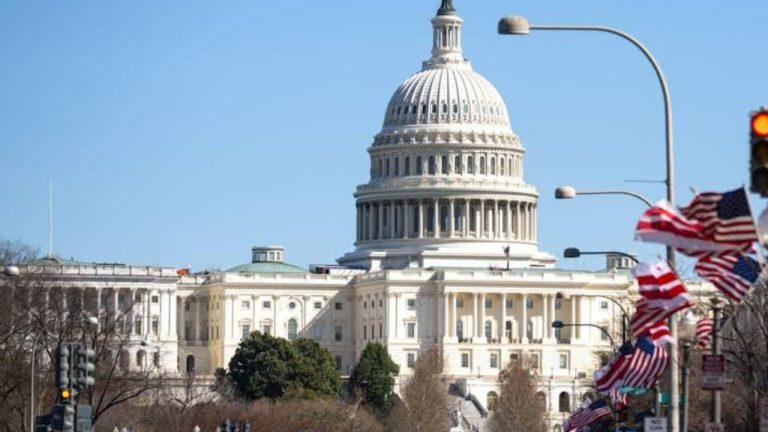
Three of the largest cryptocurrency exchanges have been pressing US senators to kill a provision in a pending crypto bill that would force exchanges to only offer trading for tokens 'not readily susceptible to manipulation,' according to people familiar with the lobbying effort. The behind-the-scenes push targets a central consumer protection clause in legislation that has been winding its way through Congress for months. If the provision survives, exchanges would have to vet every token they list against a legal standard that critics call vague and potentially disruptive.
What the provision would have done
The contested language would have required exchanges to make a formal determination that any token they list is 'not readily susceptible to manipulation' before offering it to customers. That standard goes beyond existing self-regulatory practices and would give regulators clearer grounds to challenge token listings after the fact. Proponents of the measure argued it was a necessary backstop against the kind of pump-and-dump schemes and insider trading that have plagued smaller coins. The provision was drafted as part of a broader bill aimed at creating a federal framework for digital asset markets.
Why exchanges pushed back
The three exchanges involved in the lobbying have told senators that the manipulation standard is unworkably vague. They argue that determining whether a token is 'readily susceptible to manipulation' is subjective and could vary wildly depending on which regulator or judge interprets it. Listing decisions would slow to a crawl, they warned, and innovative projects would flee to offshore platforms with looser rules. The exchanges focused their outreach on key senators involved in the bill's markup, urging them to strip the language or replace it with a more concrete test. None of the exchanges have publicly commented on the lobbying.
Status of the bill
The bill remains in committee, and negotiations have been tense. Removing the manipulation provision would significantly weaken the legislation's investor protections, a move that consumer advocacy groups have already signaled they would oppose. The exchanges' lobbying comes as lawmakers are trying to strike a deal before a scheduled floor vote later this month. It's unclear whether the provision will survive the redline process or be replaced with a compromise. The three exchanges are not the only industry players lobbying on the bill, but their coordinated push on this specific clause has drawn attention on Capitol Hill.
What comes next
Senators are expected to release a revised draft of the bill within the next two weeks. The fate of the manipulation provision will be one of the key fault lines in the debate. If it is deleted, the bill's supporters will have to explain why they abandoned the main consumer safeguard. If it remains, exchanges will face a new compliance burden that could reshape which tokens are available to US traders. Either way, the lobbying effort shows the industry is willing to fight hard over the rules that will govern it for years to come.