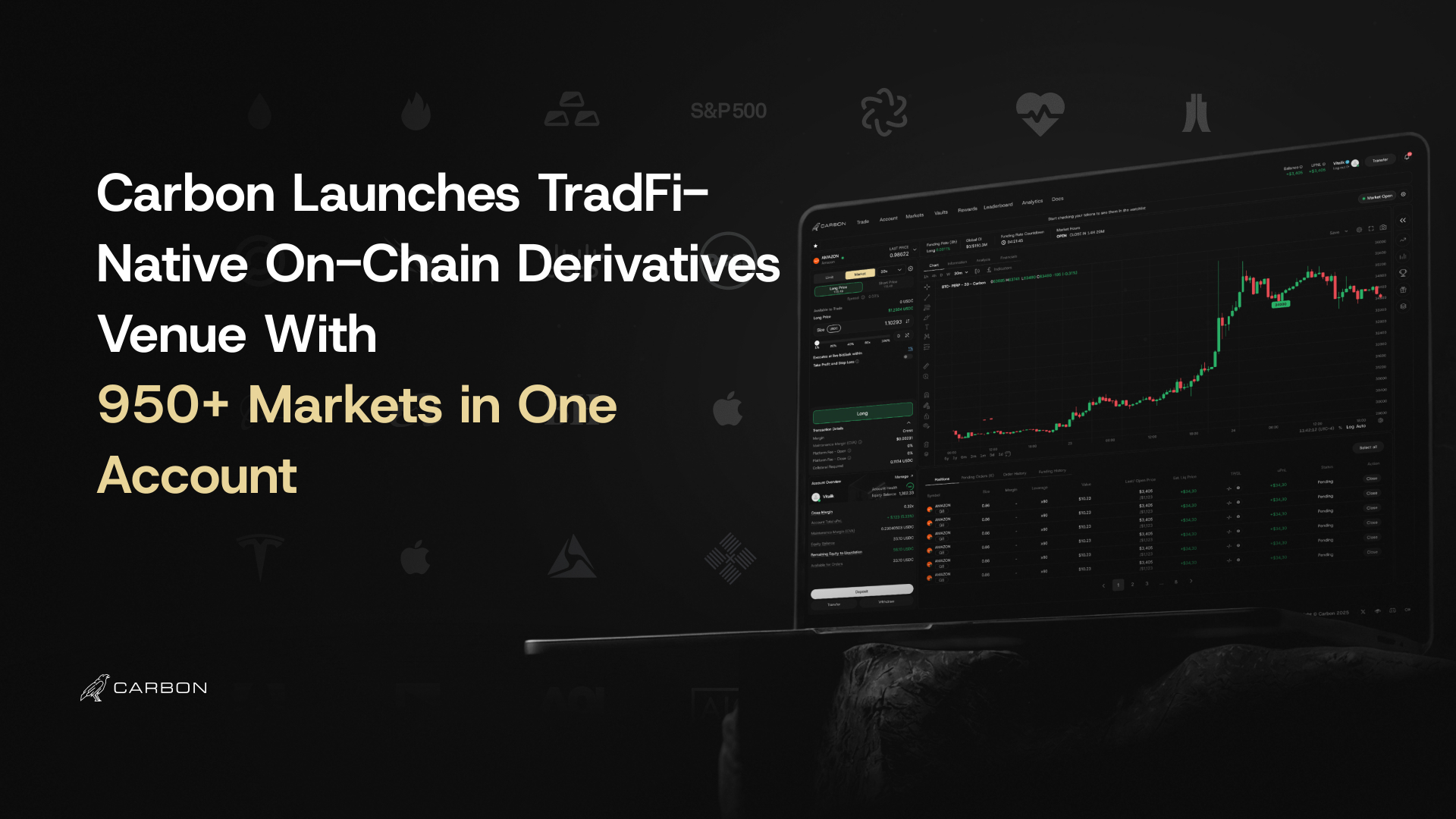
Tokenized asset deposits more than tripled to $7.4 billion over the past year, with gold, U.S. Treasuries, and the S&P 500 leading the charge. In the same stretch, spot trading volumes on decentralized exchanges fell by roughly 70%. The two numbers paint a clear picture: money is leaving DeFi and moving into tokenized versions of traditional investments.
The Pull of Real-World Assets
Tokenized assets are digital tokens that represent ownership of familiar instruments—government bonds, precious metals, stock indices. The latest data shows those categories drove the growth. Gold, Treasuries, and the S&P 500 accounted for the bulk of the $7.4 billion in deposits, which more than tripled from the prior year.
That's a notable shift from the early days of crypto, when the action was largely in native digital assets. Now, the fastest-growing corner of the on-chain world looks a lot like a conventional portfolio. Investors are using blockchain rails to gain exposure to assets they already know, rather than experimenting with novel crypto-native products.
Decentralized Exchanges Hit a Wall
The decentralized exchange sector didn't share in the gains. Spot volumes there fell by roughly 70% over the same period. That's a sharp contraction for a segment that once defined the DeFi boom.
The timing is hard to ignore. The slump in DEX trading coincided with the surge in tokenized deposits. The pattern suggests capital is rotating out of DeFi trading pools and into tokenized bonds, gold, and equity indexes. While tokenized deposits climbed, the decentralized exchange sector went the other way—a stark reversal from earlier years when DeFi was the main driver of on-chain value.
One Year of Data, Two Diverging Paths
The figures cover a single year, so it's too early to call it a permanent shift. But the direction is unmistakable: while DeFi shrank, tokenized assets expanded. The growth wasn't evenly distributed—it was concentrated in assets that have long been staples of traditional finance.
That may explain the appeal. Blockchain-based access to gold, government debt, and the S&P 500 offers the familiarity of traditional markets with the efficiency of a ledger. The decentralized exchange slump, meanwhile, suggests that the appetite for purely speculative on-chain trading has cooled.
The next reporting cycle will show whether the triple-digit growth in tokenized deposits holds up, or whether the DeFi sector stages a comeback. For now, the numbers offer a clear picture of where the money went: toward the safety and familiarity of real-world assets, and away from the volatility of decentralized trading.