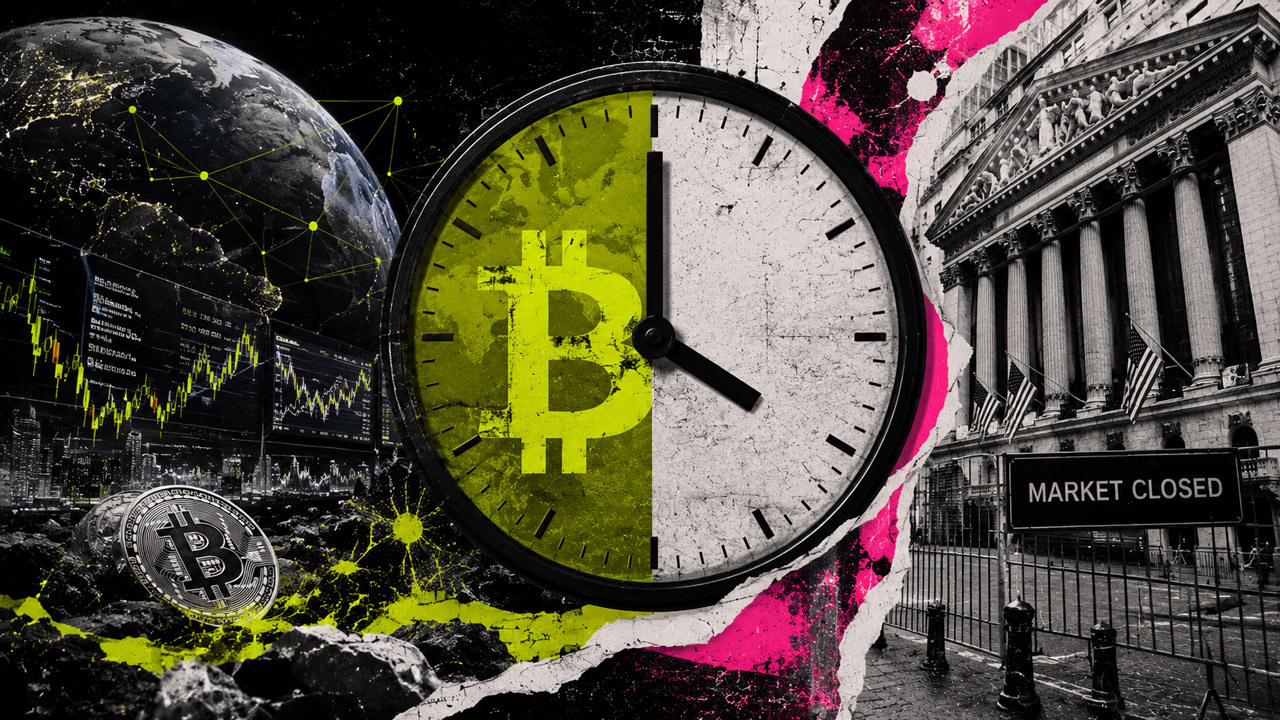
Tokenized stock trading volumes exploded in July, jumping 288% compared to the previous month. The surge was almost entirely due to one product: a tokenized version of the Invesco QQQ Trust, known as QQQB. Without that single token, the market for tokenized equities would have actually shrunk.
One token, most of the action
Data from blockchain analytics firms shows that total tokenized stock trading volume in July reached roughly $7.9 billion. The QQQB token alone accounted for the vast majority of that activity. When you strip out QQQB, the remaining tokenized equities volume falls to about $2.03 billion — a drop of roughly 30% compared to June's total. That means the rest of the market actually contracted, while QQQB exploded.
QQQB is a token that tracks the price of the Invesco QQQ Trust, which itself mirrors the Nasdaq-100 index. It's issued by a platform that allows 24/7 trading and fractional ownership. The token's popularity suggests strong retail demand for leveraged or round-the-clock exposure to big tech names like Apple, Microsoft, and Nvidia.
Why QQQB took off
The timing lines up with a broader rally in tech stocks during July. The Nasdaq-100 rose about 4% that month, and investors piled into anything that offered amplified or flexible access. QQQB, which is available on several decentralized exchanges, let traders buy and sell the index at any hour — no waiting for traditional market opens. That flexibility, combined with the tech rally, appears to have drawn in a wave of speculative volume.
It's not clear whether the same token will sustain that level of activity in August. The July spike may have been a one-off, tied to specific market conditions or a promotional push by the token's issuer. Without a similar catalyst, the rest of the tokenized stock market could continue to lag.
What tokenized stocks are — and aren't
Tokenized stocks are blockchain-based representations of real equities. Each token is supposed to be backed 1:1 by the underlying security, held by a custodian. They allow trading outside traditional exchange hours and can be bought in tiny fractions. But they also carry risks: the issuer could go under, the custodian could fail, or the token could lose its peg. Regulators in several countries have warned that these products may not have the same investor protections as conventional stocks.
The July data underscores how concentrated the market is. A single token can swing the entire sector's numbers. That makes the overall growth figure misleading for anyone trying to gauge the health of tokenized equities as a whole.
The question now is whether QQQB's July run was a flash in the pan or the start of a trend. August and September data will tell. If volume drops back to pre-July levels, the 288% headline will look like a statistical blip. If it holds, the tokenized stock market may finally be finding its footing — but still on the back of one product. Regulators are watching, and the SEC has yet to issue clear guidance on how these tokens should be treated. That uncertainty hangs over the entire space.