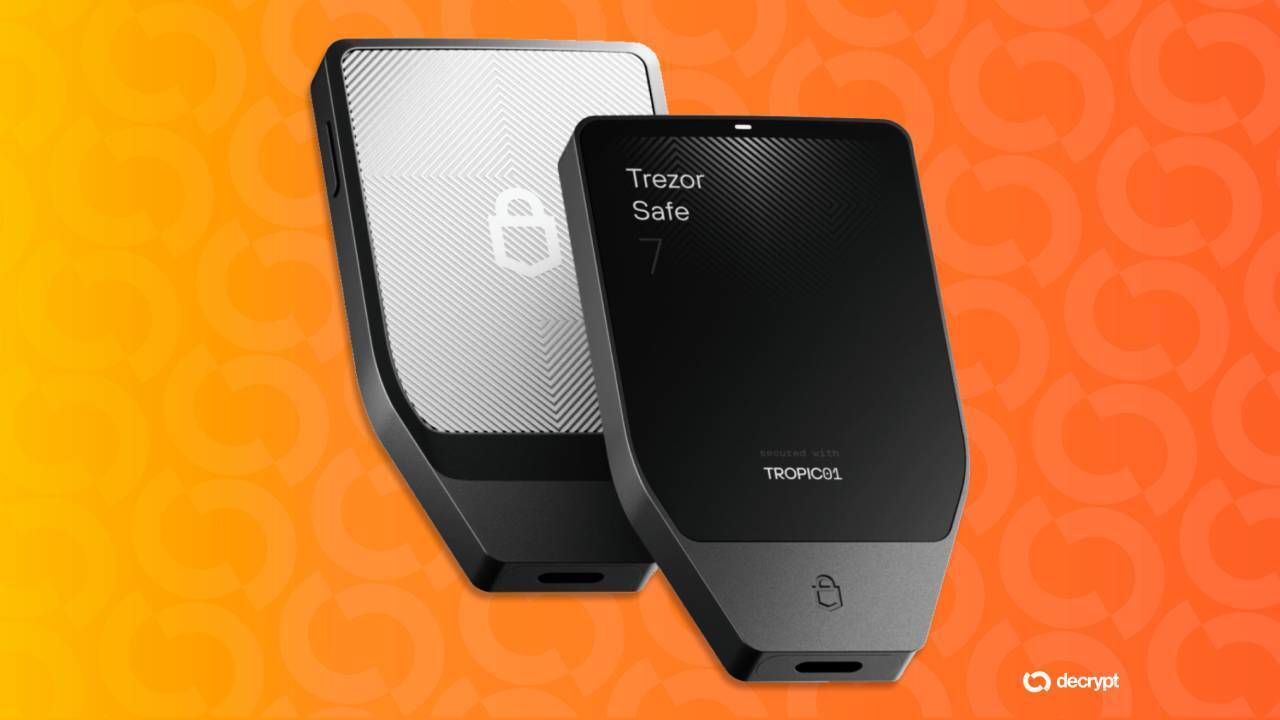
Trezor is cutting the number of authorized retailers allowed to sell its hardware wallets. The decision follows a supply-chain attack on a Ledger device sold through CryptoBilis, a Southeast Asian reseller, and it lands as hardware-wallet makers face questions about how devices move from factory to buyer.
Trezor says there's no evidence any Trezor device has been compromised. The company has stopped shipping new stock to the affected resellers, though they can sell existing inventory through Black Friday and the holidays. Their authorization ends on January 1, 2027.
What Ledger found in the CryptoBilis device
Ledger confirmed that a device sold via CryptoBilis contained a hidden implant. The implant reads the 24-word recovery phrase from the screen during setup and sends it out over a cellular connection. That's not a bug or a firmware flaw — it's physical tampering, and it goes after the one secret a hardware wallet exists to protect.
Ledger ties every confirmed case of tampered devices to CryptoBilis. Users have claimed tampered devices reached Europe, but Ledger hasn't confirmed that. On-chain researchers at Bitquery estimate suspected losses from the attack exceed $93 million. Ledger has not confirmed a total.
Why Trezor acted now
Trezor didn't disclose how many resellers it dropped or where they are. Chief Commercial Officer Danny Sanders said each country was evaluated based on revenue, distribution, and Trezor's own reach there. Read that plainly: this is a business decision as much as a security one. Countries where Trezor already has a strong direct presence are easier to serve without a middleman.
The remaining partners will face an updated legal framework and closer scrutiny of how devices are sourced, stored, and handled. Trezor is essentially telling its retail channel that the old handshake deals are over. If a box sits in a warehouse under someone else's control, Trezor wants to know who's watching it and what happens when it leaves.
The deadline that matters
The January 1, 2027 cutoff gives affected resellers one holiday season to clear inventory. That's a deliberate window. Cutting them off immediately would strand stock and invite exactly the kind of gray-market resale that makes tampering easier to hide. Letting them sell through Black Friday and the holidays keeps the product moving while the authorization quietly expires.
For buyers, the practical effect is a shrinking list of places to buy a Trezor in some markets. Trezor hasn't said which ones. That silence is the part worth watching — customers in dropped regions will either buy direct, buy from a remaining partner, or buy from a reseller whose authorization is running out.
Ledger wants shared standards
Ledger has called for shared anti-tamper standards across all wallet makers. That's a notable ask from the company at the center of the incident. A single reseller can compromise a device from any brand, and no manufacturer controls every hand a box passes through before it reaches a customer.
Whether that call produces anything concrete is unresolved. Trezor's moves are unilateral and immediate. Ledger's proposal would need buy-in from competitors who don't always agree on much.
The next hard date is January 1, 2027, when the dropped resellers lose authorization. Until then, the open question is whether tampered devices show up outside CryptoBilis's confirmed footprint — and whether Ledger names a total loss figure.