Executive Summary
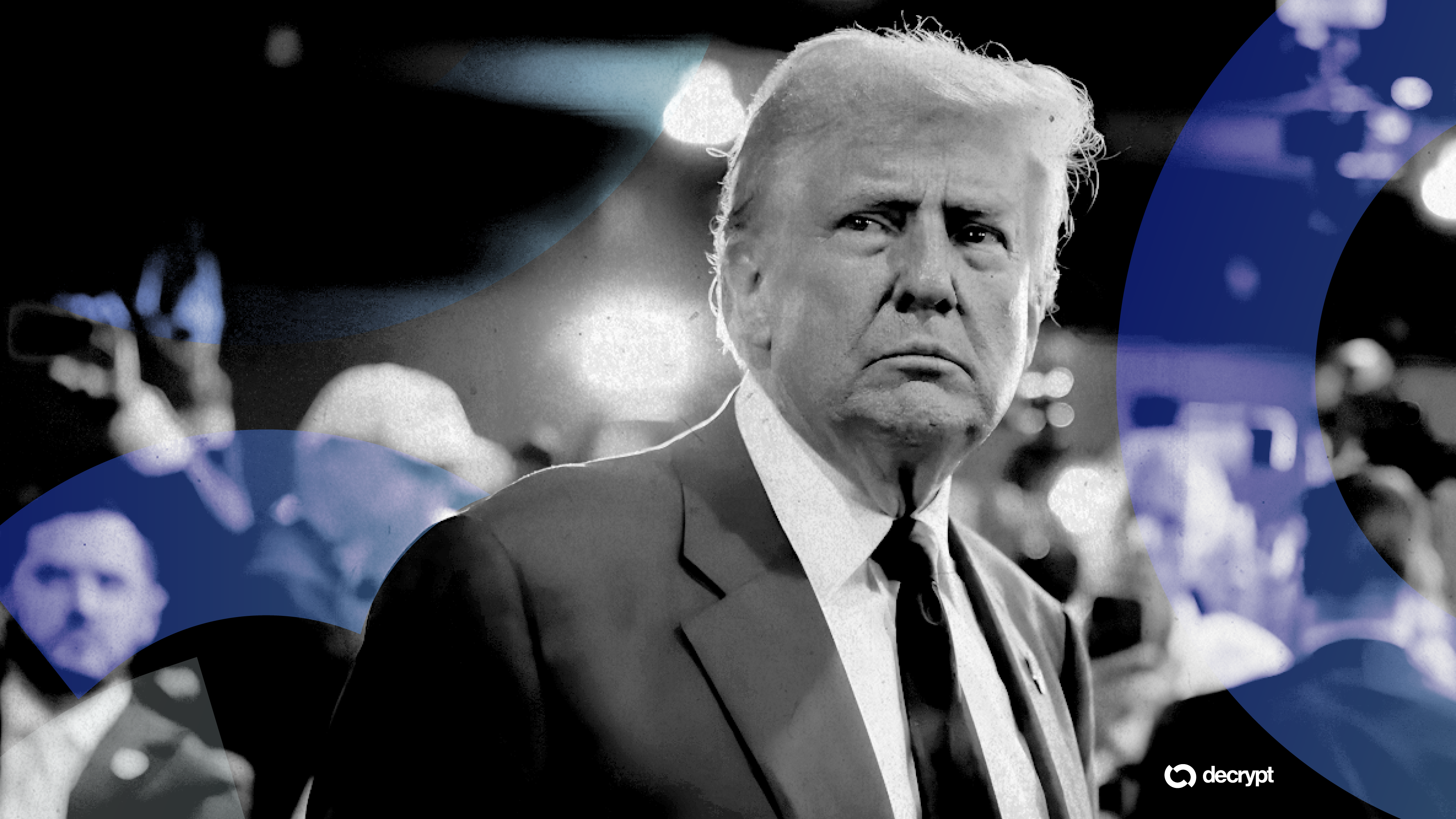
U.S. President Donald Trump recently described the global financial landscape as a “casino” and reiterated his long‑standing skepticism toward prediction markets. At the same time, a U.S. soldier has been charged with insider trading after placing bets on Polymarket about Venezuelan President Nicolás Maduro. Law‑enforcement officials are using the case to illustrate the regulatory challenges posed by crypto‑driven prediction platforms.
What Happened
During a press briefing this week, President Trump warned that the world is increasingly resembling a gambling hall, emphasizing that he has never been a strong supporter of prediction markets. In a separate development, federal prosecutors have filed charges against an active‑duty U.S. soldier for allegedly using non‑public information to place wagers on Polymarket, a decentralized prediction‑market platform, concerning the political future of Venezuelan President Nicolás Maduro.
The indictment alleges that the service member accessed confidential intelligence about upcoming diplomatic moves involving Venezuela and then used that insight to bet on outcomes related to Maduro’s tenure. Prosecutors are presenting the case as a concrete example of how crypto‑based prediction markets can be exploited for illicit profit.
Background / Context
Prediction markets allow participants to wager on the outcome of real‑world events, with payouts reflecting the consensus of the crowd. In recent years, several platforms have migrated to blockchain technology, offering anonymity and borderless access. Polymarket is one of the most visible of these crypto‑enabled venues, hosting markets on topics ranging from elections to public‑health data.
Regulators have grappled with how to classify and oversee these services. While some jurisdictions treat them as gambling, others view them as financial instruments subject to securities law. The U.S. has yet to issue comprehensive guidance, leaving a patchwork of state‑level rules and a growing number of enforcement actions.
Reactions
President Trump’s comment resonated with officials who have long warned that unregulated prediction markets could undermine market integrity. Law‑enforcement spokespeople highlighted the soldier case as a “clear illustration of the dangers” when sensitive information intersects with decentralized betting platforms.
Polymarket’s representatives declined to comment on the specific indictment but reiterated their commitment to compliance with applicable laws. Civil‑liberties groups, meanwhile, cautioned against over‑broad crackdowns that could stifle legitimate expression and innovation in the nascent crypto sector.
What It Means
The convergence of high‑profile political commentary and a criminal case involving a military insider underscores the growing regulatory focus on crypto‑based prediction markets. Prosecutors are signaling that traditional insider‑trading statutes can be applied to blockchain‑mediated bets, expanding the legal toolkit used to police these platforms.
For market participants, the message is clear: using non‑public information to profit from prediction markets, even when the platform operates on a decentralized ledger, can trigger serious criminal liability. The case may also prompt legislators to consider more explicit rules governing the operation of prediction‑market services that rely on cryptocurrency.
What Happens Next
The soldier’s case will proceed through the federal court system, with a pre‑trial hearing scheduled in the coming weeks. Simultaneously, U.S. regulatory agencies are expected to issue advisory notices aimed at clarifying the legal boundaries for crypto‑based prediction markets.
Industry observers anticipate that platforms like Polymarket will need to bolster their compliance frameworks, potentially incorporating stricter KYC (Know‑Your‑Customer) procedures and monitoring tools to detect insider‑trading patterns. The broader conversation about the role of prediction markets in a digitized financial ecosystem is likely to intensify as lawmakers and enforcement bodies seek to balance innovation with consumer protection.