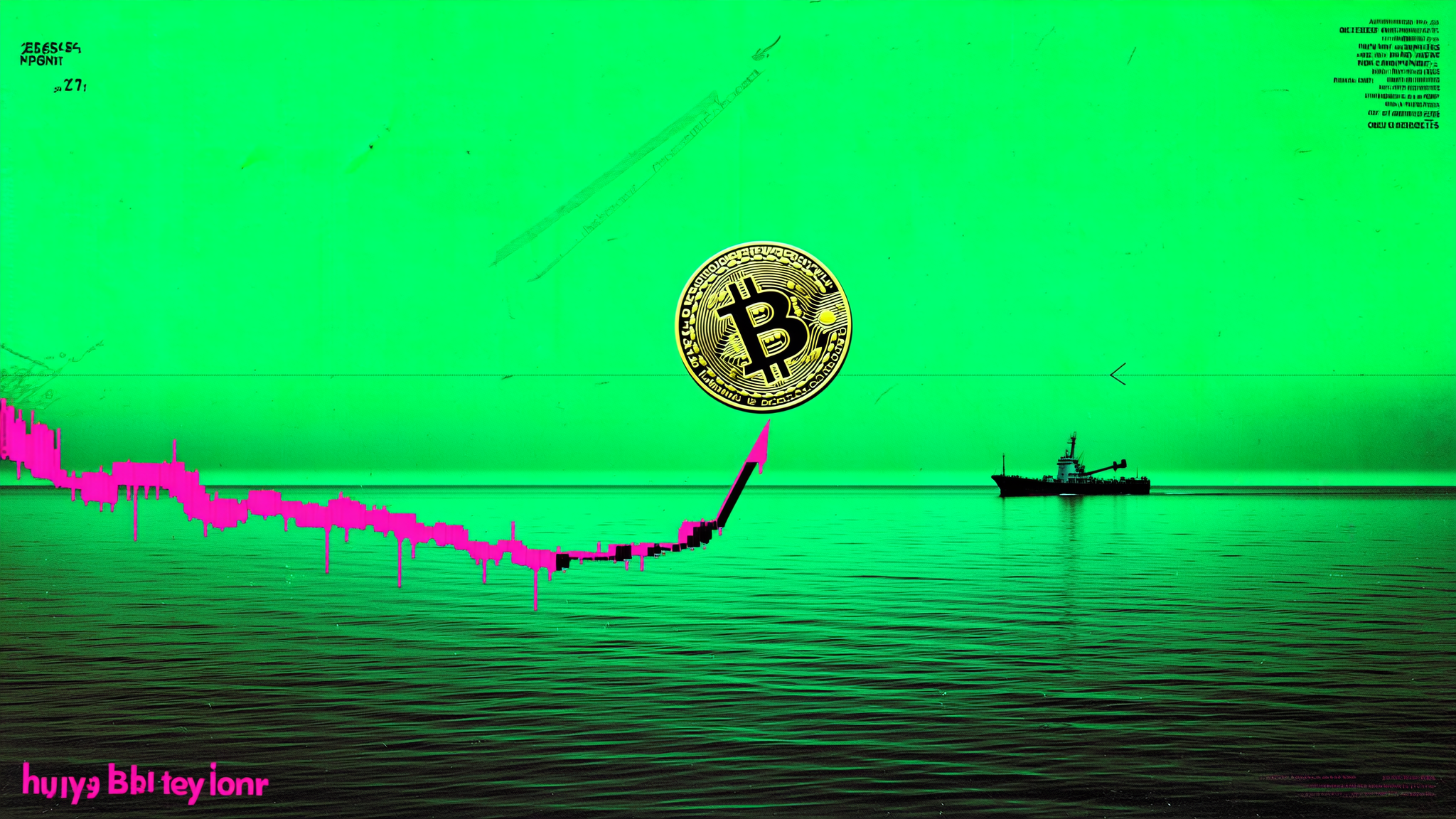
The Trump administration and Iran have reached a deal that will reopen the Strait of Hormuz, sending oil prices sharply lower and pushing Bitcoin higher. The move unwinds a months-long blockade that had rattled energy markets and fueled a flight into cryptocurrencies as a hedge against instability. But the pact leaves deeper US-Iran tensions untouched, meaning geopolitical risks aren't gone—just paused.
What the deal does
Under the agreement, Iran will allow tanker traffic to resume through the Strait of Hormuz, the narrow waterway that carries about 20% of the world's oil. The blockade, imposed earlier this year after a series of tit-for-tat seizures, had choked supply and sent crude prices spiking. Now, with the strait reopening, markets are pricing in a return to normal flows. Details on the exact terms are still thin, but both sides confirmed the arrangement in separate statements this week.
Oil takes a hit
Crude futures dropped sharply after the news broke. The reopening could stabilize global oil markets, but the immediate effect was a selloff as traders bet that supply won't stay tight for long. Some analysts had warned that a prolonged blockade could push oil past $100 a barrel. That scenario has been averted, at least for now.
Bitcoin catches a bid
Bitcoin prices rose alongside the deal, extending a rally that began earlier this month. For many traders, the blockade had been a catalyst—geopolitical uncertainty tends to drive demand for assets that sit outside the traditional financial system. With one threat removed, you might expect that flow to reverse. Instead, Bitcoin kept climbing, suggesting that buyers see the reopening as a net positive for risk appetite overall, or that they're betting the easing will free up liquidity that flows into crypto.
The risks that remain
Unresolved US-Iran tensions may sustain geopolitical risks despite the deal. The accord doesn't address core disputes—Iran's nuclear program, sanctions relief, or regional proxy conflicts. Critics on both sides are already calling it a temporary fix. The Strait of Hormuz is open again, but the underlying architecture that made it a target in the first place is still in place. If talks stall or a new incident flares up, the same chokepoint could be weaponized again.
For now, markets are taking the win. But the next concrete test will come in the weeks ahead as more tankers actually transit the strait and the real-world logistics catch up with the political agreement.