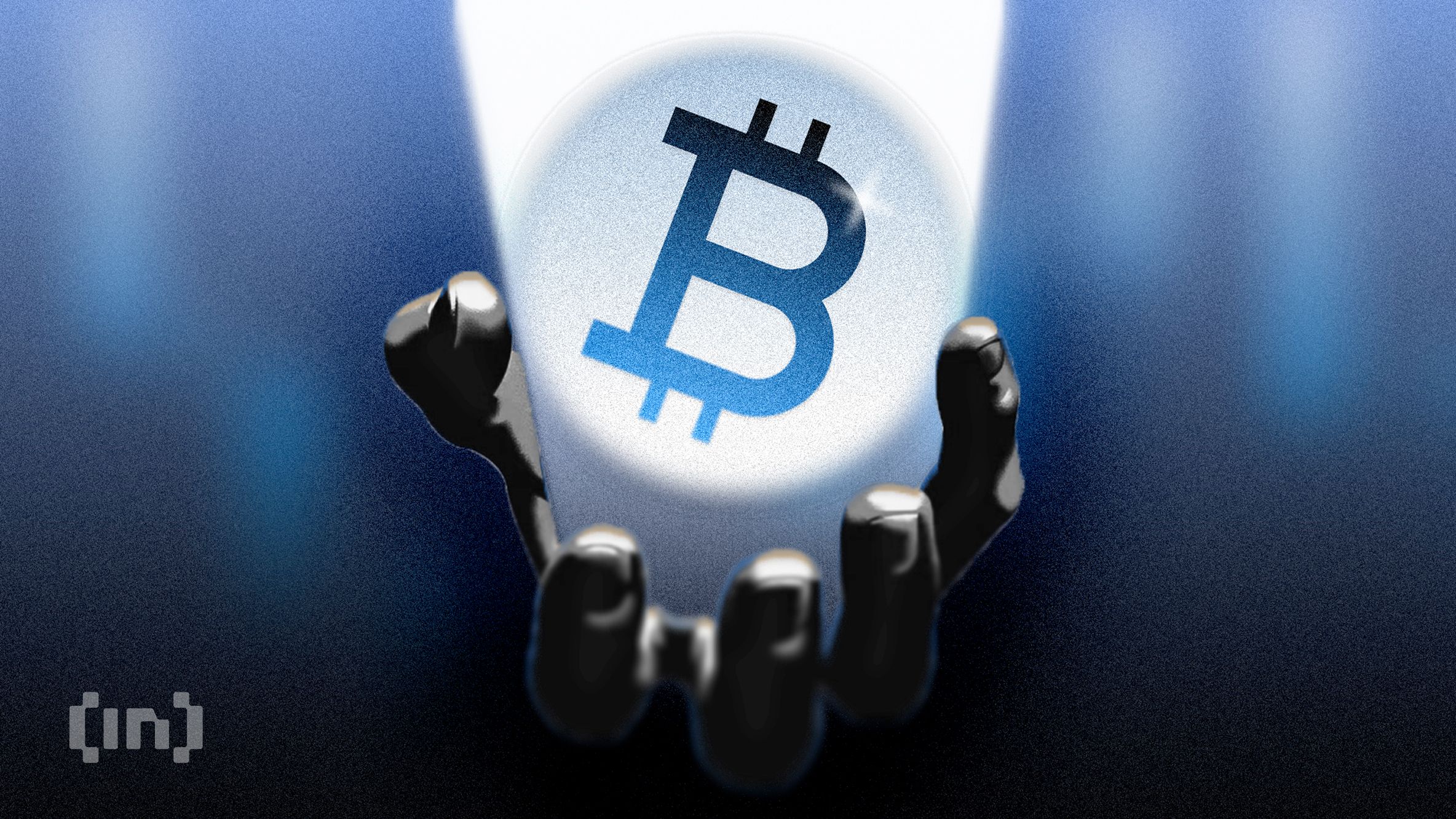
President Trump threatened military action against Iran this week if the nuclear deal falls through, a warning that could send shockwaves through global crypto markets already on edge. The heightened geopolitical tensions and the prospect of new economic sanctions may drive sharp price swings and push regulators to tighten oversight of digital assets.
Why crypto is watching Tehran
Crypto markets have grown increasingly sensitive to major geopolitical events. The threat of a military confrontation with Iran — a major oil producer and a country long targeted by U.S. sanctions — could trigger a flight to stablecoins or a broader sell-off as traders hedge against uncertainty. Previous sanctions regimes have also pushed nations toward alternative financial channels, including cryptocurrencies, making this a flashpoint for both volatility and regulatory concern.
Sanctions and the volatility playbook
Economic sanctions often create winners and losers in crypto. On one side, traders may pile into bitcoin as a non-sovereign store of value. On the other, the same geopolitical risk can spark a risk-off mood that drags down prices across the board. With Trump directly linking military action to the nuclear talks, the range of possible outcomes is wide — and markets hate ambiguity.
Regulatory scrutiny likely to ramp up
The threat of military action also raises the stakes for crypto regulation. U.S. agencies have repeatedly warned that digital assets can be used to evade sanctions. A new Iran crisis would almost certainly accelerate calls for tighter know-your-customer rules and more aggressive enforcement against mixers and privacy coins. The timing isn't great for an industry already battling increased oversight in Washington.
What comes next depends on whether the nuclear deal collapses or gets revived. Traders will watch for any diplomatic movement — or lack of it — in the days ahead. The market's first real test could come as early as next week, when the next round of talks is expected.