Executive Summary
The High Court of England and Wales has commenced hearings on a disputed claim involving the alleged misappropriation of 2,323 Bitcoin. The claimant asserts that a spouse facilitated the transfer of assets valued at approximately $172 million using surveillance technology to access hardware wallet credentials. This litigation places English property law under scrutiny regarding its capacity to address digital asset disputes within domestic relations.
What Happened
Proceedings began this week at the High Court of England and Wales concerning a substantial cryptocurrency holding. The filing details an accusation where one partner claims the other unauthorizedly moved 2,323 BTC from a cold storage device. Valuation estimates place the total worth of the disputed assets at $172 million based on current market rates.
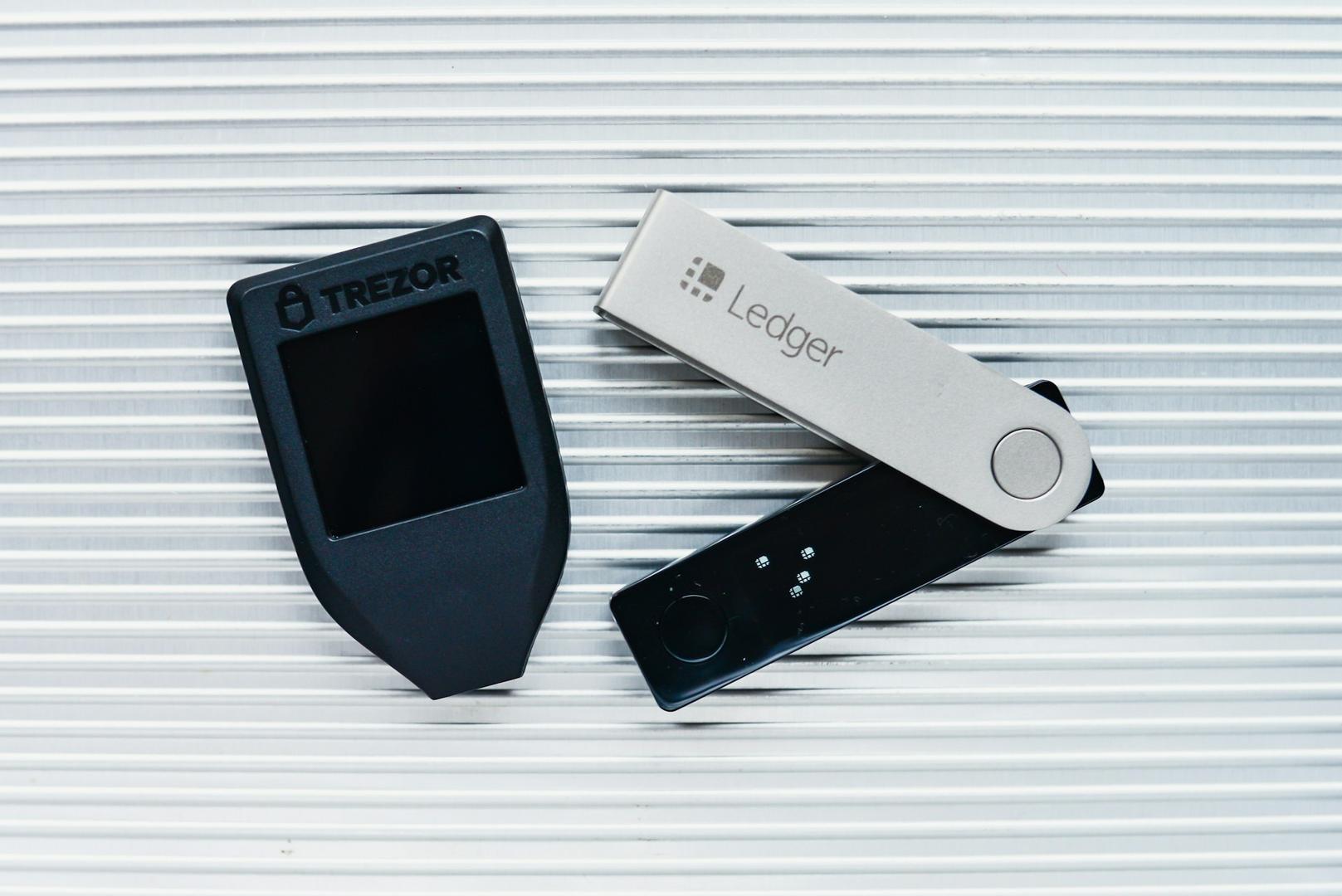
Evidence presented suggests the accused party utilized closed-circuit television (CCTV) systems installed within the shared residence to observe security inputs. This method allegedly allowed the extraction of private keys or PINs required to unlock the hardware wallet. Legal representatives confirm the case remains a civil claim at this stage, with no criminal conviction recorded against the respondent.
Jurists note the proceedings will test existing statutes on property division against the unique technical nature of blockchain assets. The court must determine whether traditional theft definitions apply to cryptographic keys accessed through visual surveillance. Outcome expectations hinge on judicial interpretation of digital possession versus physical access.
Market Data Snapshot
Primary Asset: Bitcoin (BTC)
- Current Price: $74,041
- 24h Price Change: [+1.25%]
- 7d Price Change: [+3.40%]
- Market Cap: $1.45 Trillion
- Volume Signal: Normal
- Market Sentiment: Neutral
- Fear & Greed Index: 55 (Neutral)
- On-Chain Signal: Neutral
- Macro Signal: Bullish
Bitcoin maintains stability near the $74,000 level, reflecting the valuation used in the legal claim. Market participants monitor regulatory news closely, though domestic disputes rarely trigger immediate price volatility unless systemic security flaws are exposed.
Market Health Indicators
Technical Signals
- Support Level: $72,500 - Strong
- Resistance Level: $76,000 - Weak
- RSI (14d): 52 - Neutral
- Moving Average: Above 50-day MA
On-Chain Health
- Network Activity: Normal
- Whale Activity: Neutral
- Exchange Flows: Balanced
- HODLer Behavior: Strong Hands
Macro Environment
- DXY Impact: Neutral
- Bond Yields: Supportive
- Risk Appetite: Risk-On
- Institutional Flow: Buying
Why This Matters
For Traders
Short-term price action remains unaffected by civil litigation unless security protocols face public scrutiny. Traders should monitor news feeds for any revelation of hardware wallet vulnerabilities linked to the CCTV method. Volatility spikes may occur if the court orders asset freezing on exchanges.
For Investors
Long-term holders gain clarity on legal recourse should private keys become compromised through non-technical means. A ruling favoring the claimant establishes precedent for recovering stolen digital assets through family law courts. Institutional confidence grows when property rights extend clearly to blockchain holdings.
What Most Media Missed
Coverage often focuses on the monetary value rather than the surveillance mechanism. The use of CCTV to capture credential entry represents a physical security failure rather than a blockchain exploit. This distinction matters for insurance claims and custody solutions, shifting liability from software providers to physical security protocols.
What Happens Next
Short-Term Outlook
Over the next 24 to 72 hours, legal teams will submit evidence regarding the transaction hashes and CCTV footage timestamps. Market reaction will remain subdued unless further allegations surface regarding exchange involvement. Price action likely stays within the $72,500 to $76,000 range.
Long-Term Scenarios
A bullish case emerges if the court validates digital asset claims under property law, encouraging institutional adoption. A bearish scenario involves prolonged litigation freezing assets, creating uncertainty around crypto estate planning. Regulatory bodies may issue guidance on custody standards following the verdict.
Historical Parallel
Similar disputes arose during the early adoption phase of Bitcoin, often resolved through private arbitration. The 2018 case involving crypto inheritance in France set early precedents for digital wills. This UK High Court case marks a shift toward formal judicial intervention in high-value cryptographic property disputes.