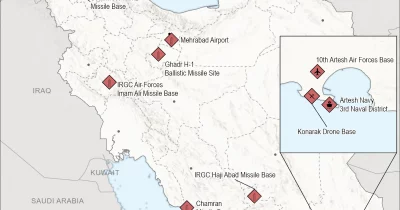
US forces carried out a military strike in southern Iran this week, the Pentagon confirmed, acting in self-defense after an attack in the Strait of Hormuz. The operation marks a direct American response to what officials described as a hostile act in one of the world's most critical oil transit chokepoints.
Response to the Strait of Hormuz Attack
The strike came shortly after an attack in the Strait of Hormuz, the narrow waterway between Iran and the Arabian Peninsula. Details of that initial assault remain sparse. The Pentagon said only that US forces were targeted, but did not specify the method — whether a drone, missile, or naval vessel was involved. No casualties have been reported on the American side.
Iranian state media confirmed explosions in the southern province of Hormozgan, but offered no immediate casualty figures. The area is home to key military installations and the Bandar Abbas naval base.
Self-Defense Justification
US officials emphasized that the strike was a defensive measure, not an escalation. “The United States has the right to protect its forces,” a defense department statement read. The operation was limited in scope, targeting what the military described as the source of the attack. No further details on the target — whether a radar site, missile battery, or command post — have been disclosed.
The Strait of Hormuz has long been a flashpoint. About a fifth of the world’s oil passes through it. Iran has repeatedly threatened to close the waterway during past tensions. This week’s attack and the US response bring that threat closer to reality.
What Happens Next
The Pentagon has not announced additional deployments, but naval patrols in the region are likely to increase. Iran’s foreign ministry has called for an emergency UN Security Council meeting. No date has been set. For now, both sides are waiting to see if this is a one-off exchange or the start of a wider confrontation.