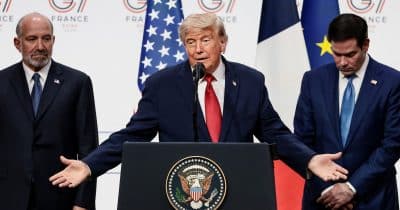
The United States and Iran are scheduled to sign a memorandum of understanding on June 19, 2026, at Switzerland's Bürgenstock resort, with Qatar and Pakistan acting as mediators. The MoU is designed to tackle military operations, sanctions, and the reopening of the Strait of Hormuz to maritime shipping. While not a crypto-native development, the event could send ripples through Bitcoin markets via macro channels — oil prices, inflation expectations, and broader risk appetite.
Who's at the table
Switzerland is hosting the signing at the historic Bürgenstock resort, a venue often used for high-stakes diplomatic talks. Qatar and Pakistan are serving as mediators. The memorandum's scope covers three core areas: military operations, economic sanctions, and the Strait of Hormuz — a chokepoint for roughly a fifth of the world's oil supply. Reopening that strait to shipping would be a major shift after years of tensions that have kept tanker traffic restricted.
Why crypto traders are paying attention
The direct impact on Bitcoin is speculative, but the logic runs through traditional markets first. If the agreement leads to a sustained drop in oil prices, that could ease inflation expectations globally. Lower inflation typically pressures central banks to soften rate hikes — a scenario that has historically boosted risk assets including crypto. Conversely, a breakdown or perceived weakness in the deal could spike oil and spook equity markets, dragging Bitcoin down with them.
Make no mistake: the first market test will show up in oil, dollar, and equity futures, not directly in crypto order books. But Bitcoin has increasingly correlated with macro risk sentiment over the past two years, so traders are watching the headlines coming out of Bürgenstock closely.
The signing is set for June 19. After that, markets will parse the actual text of the MoU for specifics on implementation timelines and enforcement mechanisms. A clear, verifiable reopening of the Strait of Hormuz would be the strongest signal. Until then, expect crypto volatility to track oil and equity futures — and for a lot of speculation on Telegram channels.