The prospect of a US-Iran peace deal is rippling through global markets — and crypto is no exception. Iran plans to reopen the Strait of Hormuz 30 days after a deal is signed, according to reports this week. The potential thaw between Washington and Tehran could redraw oil routes and, some traders say, give digital assets a bigger role in international trade agreements. Crypto markets have already moved on the news.
The Strait’s 30-Day Clock
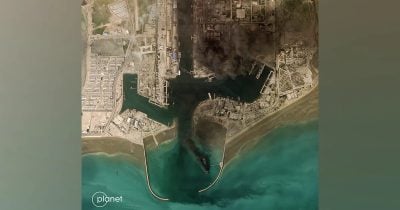
Iran’s commitment to open the Strait of Hormuz within a month of a peace deal is the clearest signal yet that negotiations are serious. The strait handles about a fifth of the world’s oil transit. Closing it has been a long-standing threat from Tehran. Reopening it would ease supply fears, but the deal itself is far from done.
Oil, Trade, and Crypto’s Opening
A US-Iran peace deal doesn’t just affect crude prices. If trade restrictions lift, both countries could look for payment rails that bypass traditional banking friction. Crypto — especially stablecoins — could slot into that gap. The facts suggest the agreement might formally elevate digital assets as a tool in trade negotiations, though details remain vague. What’s clear is that the conversation has shifted: crypto is now part of the geopolitical calculus.
Market Reaction So Far
Bitcoin and major altcoins ticked up as the peace talks leaked into headlines this week. Volume spiked on exchanges based in the Middle East and Europe. Nothing parabolic, but the move was broad. The timing matters — crypto was already looking for a catalyst after a quiet spring. This could be it.
What’s Next
The 30-day clock starts only when both sides sign. Negotiations are ongoing, and no date is set. If the deal closes, the Strait of Hormuz reopens — and crypto’s role in trade architecture gets its biggest test yet.