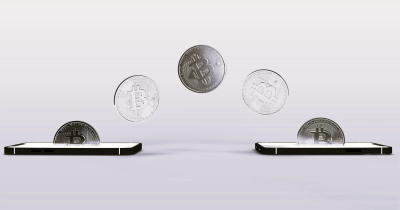
The United States is finalizing its military exit from Iraq, a withdrawal that could upend regional stability and send ripples through global energy markets. For crypto investors, the timing is turning Bitcoin into a go-to hedge against geopolitical uncertainty.
The withdrawal timeline
Washington has been pulling troops out of Iraq for months, but this week officials confirmed the process is nearing completion. The exact number of remaining personnel hasn't been disclosed, but the drawdown is expected to wrap up within weeks. Iraq's government has signaled it's ready to take full control of security, though many analysts — and the US itself — worry about gaps left behind.
Energy market jitters
Iraq sits on some of the world's largest oil reserves. Any instability there tends to hit crude prices fast. The withdrawal comes at a delicate time: global supply chains are still recovering from earlier shocks, and OPEC+ has been struggling to keep production steady. A power vacuum in Iraq could disrupt output, pushing energy costs higher. That's bad for traditional markets but plays into Bitcoin's narrative as a non-sovereign store of value.
Bitcoin as a hedge
Bitcoin has long been pitched as digital gold — a bet against central banks and geopolitical chaos. This week, that pitch is getting a real-world test. As news of the withdrawal spread, BTC saw increased trading volume and a modest price bump. It's not a breakout, but the pattern is familiar: when traditional risk assets wobble, crypto often picks up the slack. The question is whether this time is different.
What comes next
The next few weeks will be telling. If Iraq slides into factional fighting or sees a resurgence of militant groups, oil prices could spike and risk assets could take a hit. Bitcoin might rally further, or it could get dragged down with everything else. For now, the market is watching Baghdad — and the blockchain.