The United States has slapped sanctions on Nobitex, an Iranian cryptocurrency exchange, as part of a broader campaign it's calling 'Economic Fury.' The move, announced this week, targets crypto infrastructure that Washington says Tehran uses to bypass traditional financial chokeholds. The sanctions risk deepening Iran's isolation from global markets and cranking up geopolitical tensions.
What the sanctions hit
Nobitex is one of Iran's largest crypto exchanges, letting locals trade bitcoin and other digital assets. The Treasury's Office of Foreign Assets Control added it to the Specially Designated Nationals list. That means any US person or company dealing with Nobitex now faces penalties. The exchange itself didn't immediately respond — but its website was still accessible Monday morning.
'Economic Fury' explained
The campaign is the latest tool in Washington's pressure playbook. By going after crypto exchanges, regulators aim to cut off hard-currency flows that evade traditional banking restrictions. Iran's economy, already battered by sanctions on oil and banking, relies on crypto to move money in and out. This isn't the first time the US has targeted such platforms — but it's the first under the 'Economic Fury' banner, which signals a more aggressive posture toward crypto-related sanctions evasion.
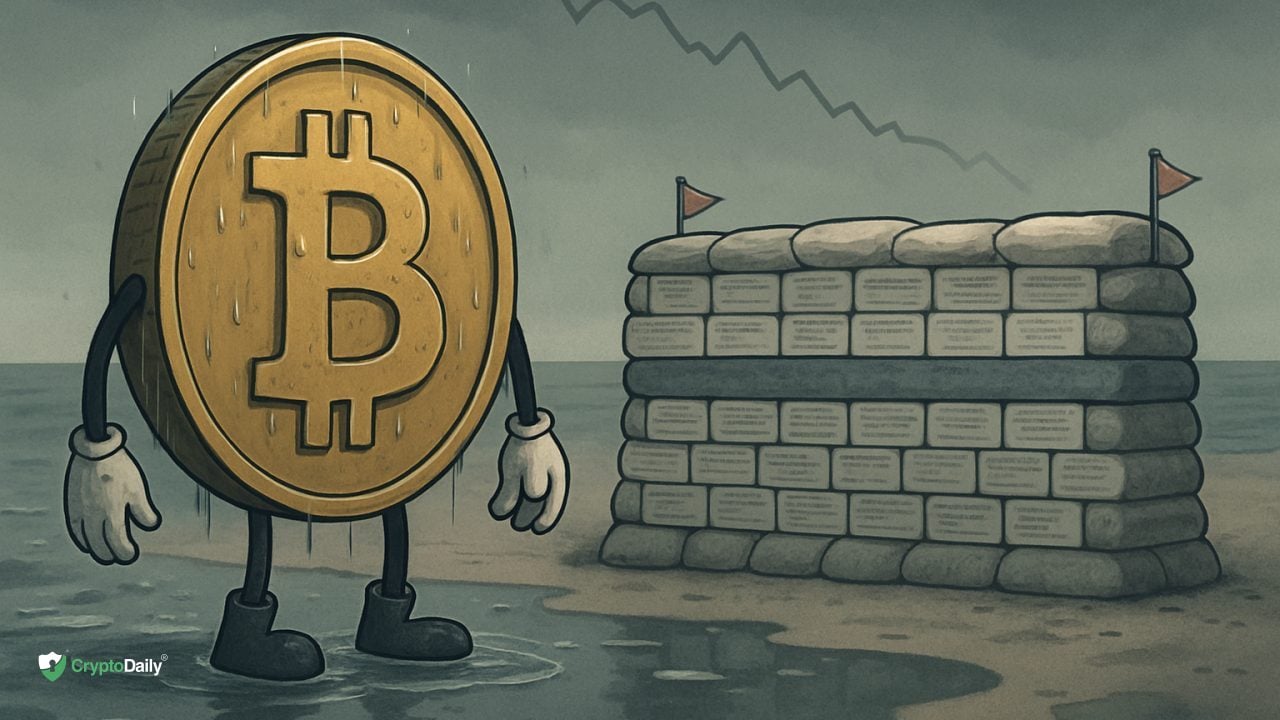
The timing isn't great for Tehran. Inflation is running hot, and the rial has been sliding. Nobitex's sanctions will likely make it harder for ordinary Iranians to convert their savings into stablecoins or dollars — and harder for businesses to settle cross-border payments. The bigger risk is that other exchanges pull back from servicing Iran entirely, further squeezing an already isolated economy. Geopolitically, it's another brick in the wall separating Iran from global finance.
One open question: whether Iran's government responds by tightening its own crypto rules — or doubles down on decentralized channels that Washington can't so easily target. No official statement from Tehran as of Monday morning.