The United States launched military strikes on Iranian drone facilities this week, ratcheting up already high tensions in the Middle East. The action sent Bitcoin below $77,000 for the first time since mid-May and triggered roughly $300 million in forced liquidations across crypto derivatives exchanges.
Strikes hit drone infrastructure
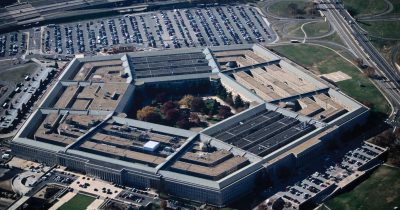
The Pentagon confirmed Monday that U.S. forces struck multiple drone staging sites inside Iran. Officials described the targets as facilities used to launch unmanned aerial vehicles that have harassed commercial shipping in the Persian Gulf. No further raids were announced, but the White House warned that more actions could follow if attacks on allied vessels continue.
This isn't the first military exchange between the two countries this year, but it's the most direct strike on Iranian soil since 2020. Markets took notice.
Crypto sees $300 million in forced selling
Bitcoin dropped about 3% in the hours after the news broke, slipping below $77,000 on major spot exchanges. Altcoins took a heavier hit. The broader selloff triggered margin calls and cascading liquidations across perpetual swap markets, with data showing roughly $300 million in long positions wiped out within a 12-hour window.
Some exchanges reported brief spikes in withdrawal requests, but no major platform paused services. The liquidation tally is the highest single-day figure this quarter, though still well below the $1 billion-plus events seen during last year's volatility spikes.
Why energy markets matter for crypto
Beyond the immediate price shock, traders are watching oil. Iran sits near the Strait of Hormuz, a chokepoint for about a fifth of the world's crude. Any disruption there could send energy prices higher, which historically has weighed on risk assets including crypto. The relationship isn't clean — sometimes oil spikes and Bitcoin rallies — but right now the correlation is negative.
Escalating US-Iran tensions are heightening volatility across asset classes, and crypto is no exception. Investor sentiment has turned cautious. The CBOE Volatility Index also ticked up.
What traders are watching next
No diplomatic off-ramp has emerged so far. Iran's foreign ministry called the strikes a violation of sovereignty but stopped short of announcing retaliation. The U.S. has not ruled out additional strikes. For crypto traders, the immediate question is whether Bitcoin can hold the $75,000 support level if the situation worsens.
A quiet weekend could calm markets. Another round of strikes would almost certainly push Bitcoin lower. The next 48 hours will tell.