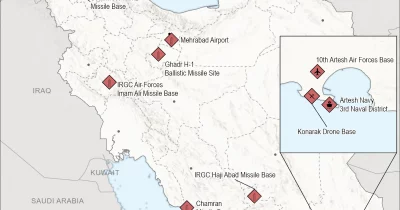
The United States launched military strikes on Iranian missile sites Tuesday, catching markets off guard as diplomatic peace talks were still underway. The attack triggered a sharp sell-off in cryptocurrencies, with bitcoin briefly dipping below $60,000 before recovering slightly. Energy costs shot higher on the news, adding a new variable to an already uncertain inflation outlook — and to the Federal Reserve's next move.
Why crypto got hit harder than stocks
Risk assets of all kinds took a hit, but crypto's reaction was unusually violent. The reason: traders see bitcoin and ether as hyper-sensitive to liquidity shocks and geopolitical tail risk. Tuesday's volatility wasn't just about the strikes themselves — it was about what they imply for energy prices and, by extension, for central bank policy. Higher oil means higher inflation means the Fed stays hawkish longer. That's a direct headwind for speculative assets.
The timing isn't great. Markets had been pricing in a rate cut this summer. Now that bet looks shaky.
The diplomatic context that got blown up
What made Tuesday's strikes especially jarring: they came while US and Iranian representatives were still in talks. The diplomatic channel hadn't collapsed — or at least it hadn't before the missiles hit. That's a detail that matters for how traders read the next few weeks. If the strikes were a tactical move aimed at strengthening the US negotiating position, the door might still be open to a deal. If they signal a broader escalation, we're in a different game.
Neither scenario is good for calm markets.
What the Fed is watching now
The Federal Reserve meets again next month, and Tuesday's events just complicated its inflation math. Energy costs are a leading input into headline CPI, and a sustained spike could push the central bank to hold rates steady — or even talk about another hike. For crypto, that would mean tighter liquidity conditions for longer. The bond market is already repricing rate expectations. Crypto traders are doing the same, just faster.
The real question no one can answer yet: how long does this last? If the strikes are a one-off, markets might shake it off in days. If Iran retaliates, or if the US hits more targets, volatility could persist into June.