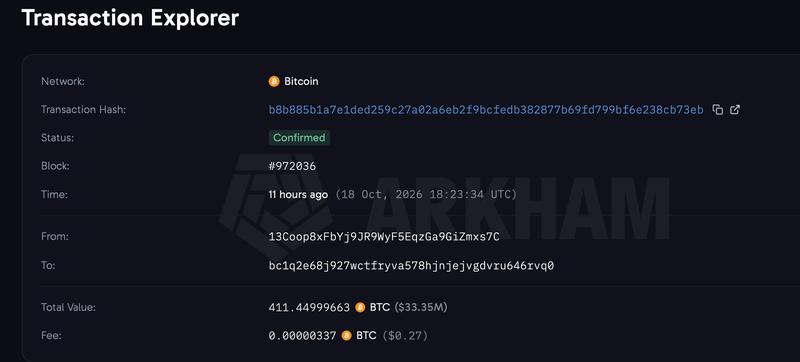
The US Treasury froze more than $130 million in cryptocurrency tied to Iran's Central Bank on Wednesday, the latest escalation in Washington's campaign to choke off the regime's access to digital assets. The Office of Foreign Assets Control sanctioned multiple wallets linked to the Central Bank of Iran, with Treasury Secretary Scott Bessent announcing the action on X. "We will continue to aggressively follow the money and deny the Iranian regime access to the proceeds of its illicit revenue schemes," Bessent wrote.
How the freeze fits into a bigger crackdown
This isn't the first time the US has gone after Iranian crypto holdings. In April, stablecoin issuer Tether helped the government block $344 million spread across two wallets tied to Iranian state actors. Wednesday's freeze came alongside a broader sanctions package targeting more than 50 individuals, entities, and vessels within Mohammad Hossein Shamkhani's network — a key force behind Iran's oil exports. Treasury has now sanctioned over 200 people and entities under its Iran-related patronage.
Naval blockade and military strikes
The financial action coincided with a military escalation. US Central Command resumed a naval blockade of Iranian ports effective 4 p.m. ET, with more than 20 Navy warships and hundreds of aircraft operating across the Middle East. Earlier Wednesday, US forces launched fresh strikes aimed at degrading Iranian capabilities used to attack commercial shipping in the Strait of Hormuz.
Legal basis for the sanctions
The designations fall under Executive Order 13902, which targets Iran's core economic sectors. By freezing crypto wallets alongside traditional assets, Treasury is signaling that digital currencies are no longer a safe haven for sanctioned entities. The move also puts exchanges and wallet providers on notice: they need to screen for Iranian-linked addresses or risk secondary sanctions.
What comes next
The naval blockade is already in effect, and the Treasury's sanctions list is public. Expect more wallet freezes as OFAC continues to trace funds through the blockchain. For now, the $130 million is locked — and the message to Tehran is clear.