Executive Summary
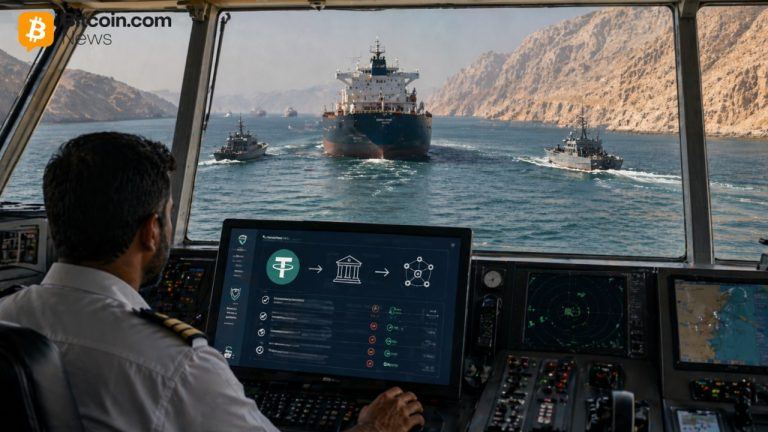
In this week’s crackdown, $344 million worth of Tether (USDT) was frozen, revealing a sophisticated, multi‑step pipeline that routed Iran‑linked funds through a chain of brokers, intermediary wallets, and decentralized finance (DeFi) protocols. The investigation, conducted by blockchain analytics firm Chainalysis, maps the flow of stablecoins from addresses tied to the Central Bank of Iran to a series of crypto services that facilitate cross‑border value transfer, effectively sidestepping traditional banking controls and U.S. sanctions.
What Happened
Chainalysis identified a series of transactions that moved $344 million in USDT from wallets associated with the Central Bank of Iran into a web of crypto intermediaries. The funds traveled through multiple on‑ramp brokers, then passed through a set of intermediary wallets before landing in DeFi protocols that offered liquidity without requiring identity verification. Once inside the DeFi ecosystem, the stablecoins were swapped, split, and re‑aggregated, making the original source difficult to trace.
The frozen assets were seized by authorities after the trail was mapped, effectively halting the final leg of the pipeline that would have delivered the funds to beneficiaries outside Iran’s jurisdiction. The seizure demonstrates how law‑enforcement agencies can leverage blockchain analytics to intervene in illicit financial flows that rely on the perceived anonymity of stablecoins.
Background / Context
Since the re‑imposition of U.S. sanctions on Iran, the country’s central bank and affiliated entities have sought alternative channels to move foreign currency. Traditional banking routes are heavily monitored, prompting a shift toward crypto assets that can be transferred instantly and with limited oversight. Stablecoins such as USDT have become attractive for this purpose because they maintain a 1:1 peg to the U.S. dollar, allowing users to preserve value while navigating around fiat restrictions.
DeFi platforms, in particular, provide a permissionless environment where funds can be swapped, lent, or pooled without the need for a centralized intermediary. This characteristic, while innovative for legitimate users, also creates a loophole that sanction‑evading actors can exploit. The recent freeze underscores the growing reliance on stablecoins for sanction circumvention and highlights the challenges regulators face in monitoring decentralized networks.
Reactions
Chainalysis released a statement confirming the success of the operation and emphasizing the importance of blockchain forensics in detecting illicit activity. The firm noted that the multi‑step nature of the pipeline demonstrates a “high level of operational sophistication” among actors attempting to evade sanctions.
Regulatory bodies in the United States and Europe have reiterated their commitment to tightening oversight of stablecoin ecosystems. While no specific comment was issued by a government agency in this release, previous statements from the U.S. Treasury’s Office of Terrorist Financing and Financial Crimes indicate that similar investigations will continue to receive priority.
What It Means
The freeze sends a clear signal that stablecoins are no longer a safe harbor for sanctioned entities. As blockchain analytics improve, the window of opportunity for using USDT and similar tokens to move large sums undetected is narrowing. This development may prompt Iran‑linked actors to either adopt more complex obfuscation techniques or shift to other crypto assets that are less scrutinized.
For the broader crypto industry, the incident reinforces the need for robust compliance frameworks, especially for on‑ramps and DeFi protocols that serve a global user base. Platforms that fail to implement adequate Know‑Your‑Customer (KYC) and transaction monitoring processes could become targets for future enforcement actions.
What Happens Next
Authorities are expected to continue probing the frozen wallet network to identify additional beneficiaries and potential downstream recipients. Further collaboration between blockchain analytics firms and law‑enforcement agencies is likely, aiming to dismantle similar pipelines before they mature.
In parallel, regulators may introduce tighter reporting requirements for stablecoin issuers and DeFi services, seeking greater transparency into transaction flows that cross international borders. Stakeholders across the crypto ecosystem should anticipate heightened scrutiny and prepare to adapt compliance measures accordingly.