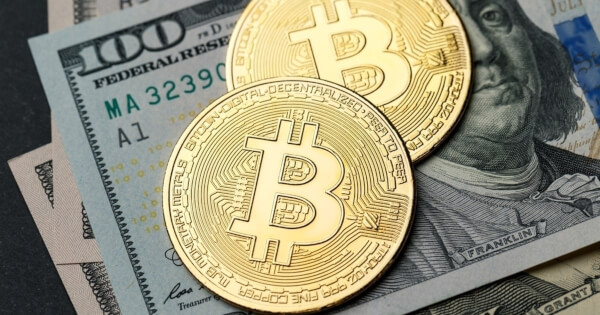
Venezuelans are increasingly using cryptocurrency exchange Binance to buy Tether (USDT), a stablecoin pegged to the U.S. dollar, as the Venezuelan bolivar continues to lose value. The trend underscores how stablecoins are stepping in where traditional banking systems have failed in unstable economies.
Why the bolivar's decline matters
The bolivar has been in a long slide, with inflation eroding purchasing power. Citizens who once relied on cash or bank deposits now see those holdings shrink by the day. Hard currency is scarce, and the government's capital controls make it difficult to get dollars legally. That's where USDT comes in — a digital token that's supposed to hold its value at $1. By buying USDT through Binance, Venezuelans can park savings in a dollar-linked asset without needing a U.S. bank account or facing exchange restrictions.
How Binance and USDT fit in
Binance, the world's largest crypto exchange by trading volume, offers a simple way to swap bolivars for USDT. Local peer-to-peer markets on the platform match buyers and sellers directly, often at rates that beat official bank exchanges. For many, it's faster and more reliable than waiting in long lines at currency bureaus or dealing with black-market middlemen. Binance doesn't require a local bank account, just a smartphone and an internet connection — two things that have become more common even amid the country's economic crisis.
Challenges for traditional banking
This shift away from banks is a headache for Venezuela's financial system. Banks lose deposits, fee income, and the ability to lend against bolivar holdings. The central bank has little control over transactions happening on a foreign crypto platform. Regulators have tried to clamp down in the past, but the nature of decentralized digital assets makes enforcement tricky. Meanwhile, the bolivar's slide continues — the International Monetary Fund projected inflation above 400% for 2024, though exact figures are elusive. As long as the local currency keeps falling, Venezuelans will keep looking for a stable store of value.
The trend is not unique to Venezuela. Other countries with weak currencies — like Argentina, Lebanon, and Nigeria — have also seen spikes in stablecoin use. But Venezuela's deep economic isolation makes it a stark example of how digital dollars are replacing official money.
Whether Binance can continue operating freely in the country remains an open question. The exchange faces regulatory pressure in multiple jurisdictions, and its Venezuelan users could be caught in the middle if authorities decide to block access.