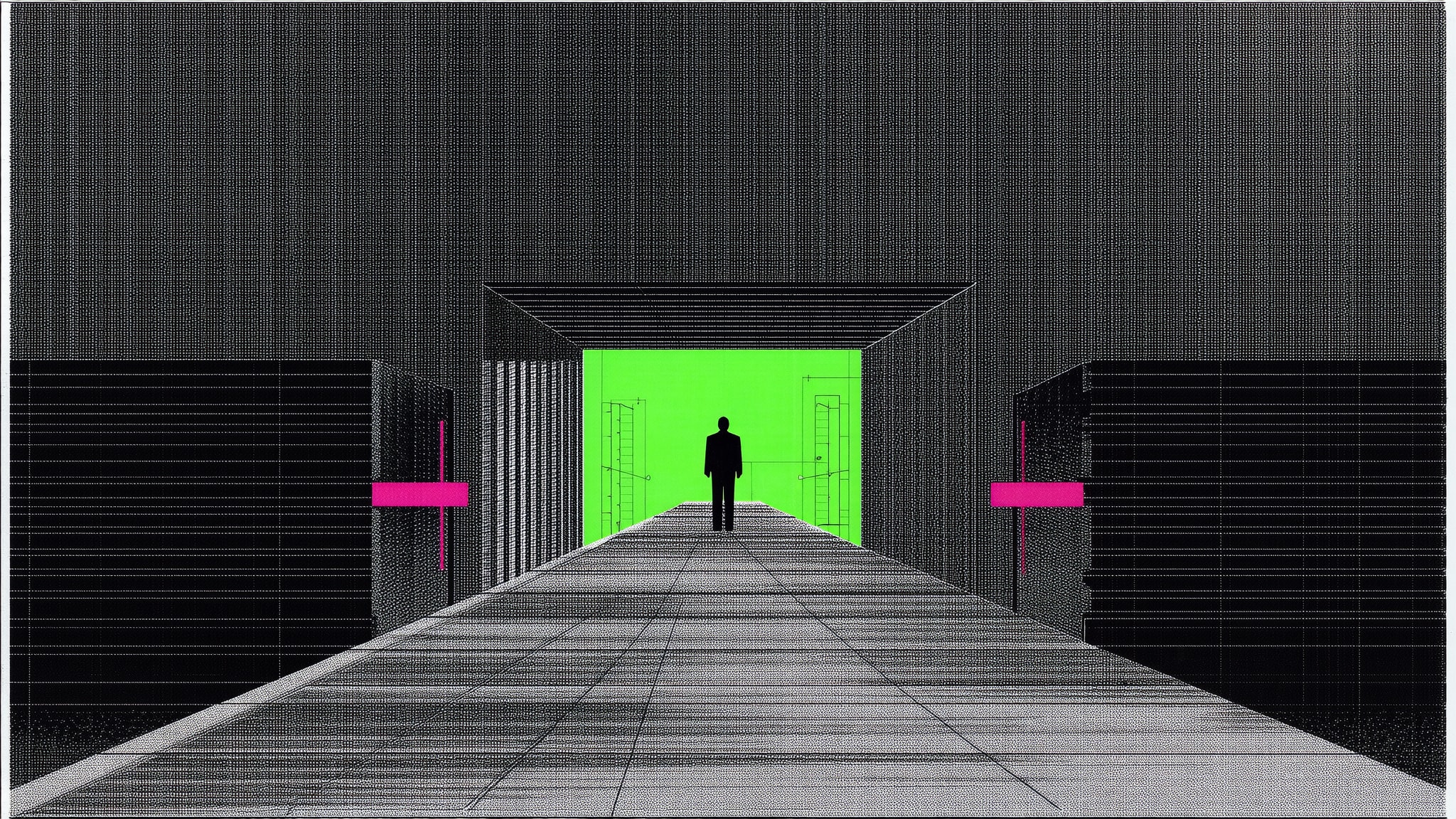
The White House posted an image on August 18 depicting the Strait of Hormuz as a new US territory, and President Trump claimed the waterway is open for all ships. Maritime data from Kpler, via Reuters, shows otherwise: only six commodity vessels crossed Monday, compared with nearly 140 per day before the war. No VLCC crude supertankers or LNG carriers made the trip at all.
What the shipping data shows
The numbers are stark. Before the conflict, Hormuz handled roughly 140 commodity vessels a day. Monday's tally of six is a collapse, and the absence of VLCCs and LNG carriers is the kind of detail that matters. These are the ships that move the bulk of the region's oil and gas. Their disappearance from tracking screens says more than any official statement.
Brent crude jumped nearly 15% in August. The disruption is real, and it's hitting countries hard. Bangladesh is facing critical gas shortages with reduced LNG availability. Pakistan, heavily dependent on oil and LNG through Hormuz, is exposed. India has seen dozens of Qatari LNG cargoes disrupted. The EU and Germany are staring at elevated gas prices and weak storage ahead of winter.
Bitcoin's strange calm
Bitcoin trades near $64,700, almost unchanged from a month ago when it sat at $63,900. For a market that usually reacts to geopolitical shocks, that's oddly quiet. The slight uptick this week came from positive ETF flows returning to US spot funds and confirmation that the Fed won't likely raise interest rates. But there's a catch.
Continuous Hormuz disruption keeps oil elevated, which feeds inflation and pushes bond yields higher. That reduces the Federal Reserve's room to ease. So while Bitcoin shrugs today, the macro path is getting tighter, not looser.
Citi enters custody
Amid the noise, Citi confirmed it will launch Bitcoin custody later this year, integrated into its new Custody+ platform. The service offers 24/7 tokenized deposits, real-time asset servicing, and instant settlements. It's a concrete step from a major bank, and it lands at a moment when the rest of the macro picture is anything but settled.
The Fed's next move is the open question. Oil keeps pushing inflation up, and that limits how much easing policymakers can deliver. Bitcoin's calm might not last if the tankers stay away.