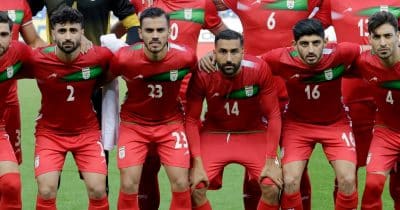
The 2026 World Cup kicked off this week with an opening ceremony and match that put cryptocurrency integration on full display — a moment that could rewrite the playbook for sports sponsorships, fan engagement, and investment flows. Uruguay, one of the teams in the opener, greeted fans in Miami as part of the day's festivities, leaning into the tournament’s broader embrace of digital assets.
Uruguay’s Miami welcome
Uruguay set up a fan zone in downtown Miami ahead of the match, offering attendees a chance to interact with the team and participate in crypto-themed activations. The exact details of the integrations — whether through token-gated experiences, digital collectibles, or payment systems — haven't been fully disclosed, but the presence of blockchain tech at a World Cup opener is a first for the tournament. For the hundreds of fans who lined up Wednesday, it was a chance to see their team up close while getting a taste of the crypto features woven into the event.
Crypto’s footprint on the pitch
This year’s World Cup isn’t just about goals — it’s also the most crypto-friendly edition yet. The opener featured blockchain-based ticketing for some sections, fan tokens for participating nations, and sponsorship deals that incorporate digital asset payments. Organizers have been tight-lipped about the specific infrastructure, but the shift is clear: the tournament is positioning itself as a testing ground for mainstream crypto adoption. Whether that means more sponsorships tied to token rewards or full-on crypto payrolls for players, the opening match set the tone.
Redefining the sponsorship game
The integration goes beyond gimmicks. Real money is at stake. Sports sponsorship has long been dominated by traditional brands — beer, cars, banks. Crypto firms are now muscling in, and a global stage like the World Cup gives them instant legitimacy. The Uruguay fan event in Miami, backed by crypto partners, is a direct example: instead of a generic corporate booth, fans get to engage with the team through digital wallets and token-based perks. That’s a model other teams and leagues will likely copy if it proves profitable.
What’s next
The real test comes over the next month as the tournament plays out across North America. Will crypto transactions become the norm at concession stands? Will fan token values swing with match results? For now, the opening ceremony has planted a flag. The next concrete step is the first full round of group-stage matches, where more crypto integrations are expected to roll out. No word yet on which specific features will debut, but the early returns from Miami suggest the World Cup 2026 is betting big on digital assets.