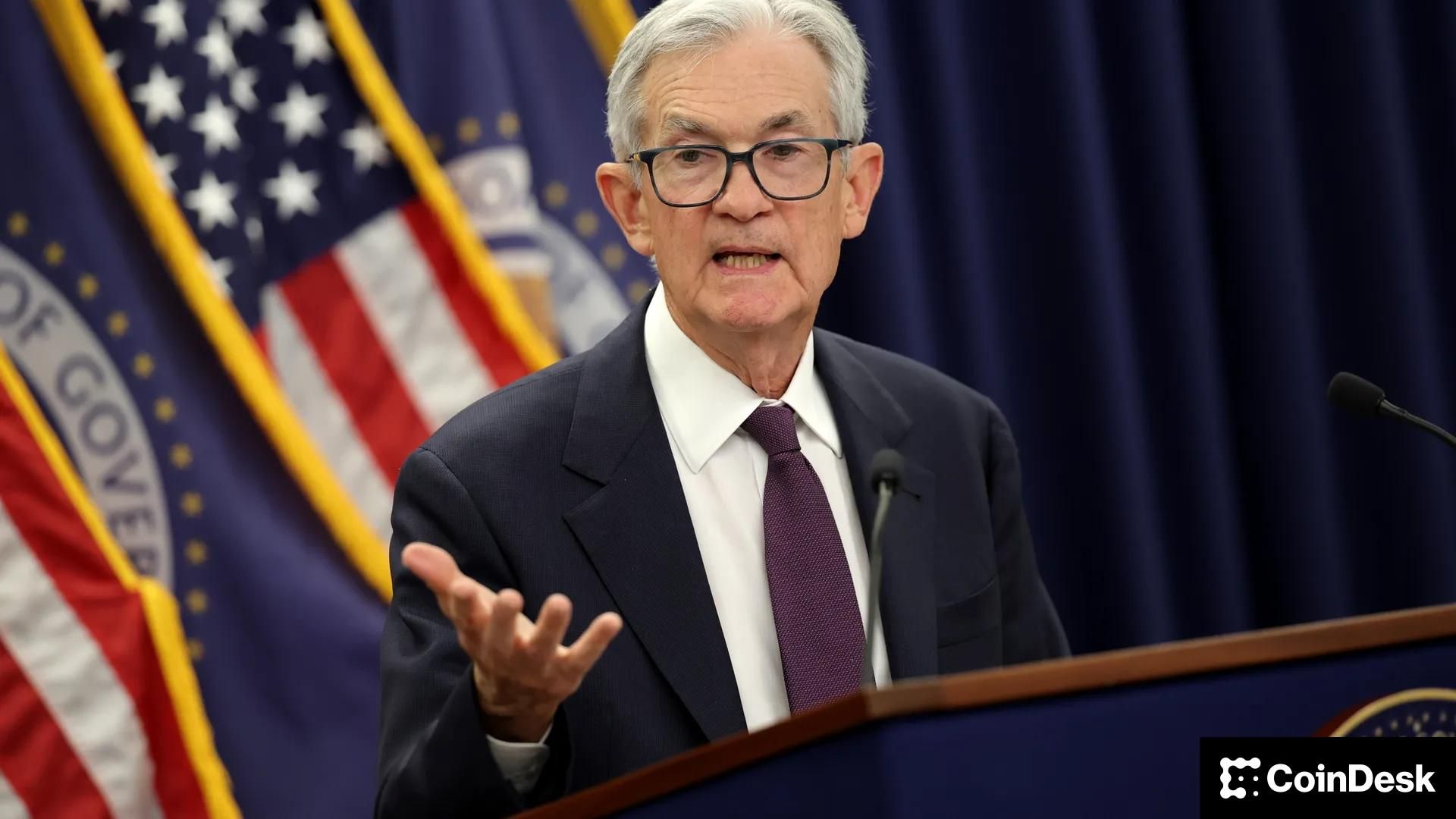
Markets Price In More Fed Rate Hikes Amid Inflation
Wall Street is buzzing with renewed anxiety as traders adjust their portfolios for a stricter monetary environment. Investors across major exchanges are adjusting positions to anticipate additional borrowing cost increases from the central bank. This shift marks a significant turn from earlier optimism about cooling prices. Why are expectations changing so rapidly? The answer lies in stubborn economic data and global instability.
Inflation Reshapes Policy Expectations
Ongoing worries about sticky consumer prices are forcing a complete reimagining of monetary strategy. Just months ago, many analysts predicted a pivot toward lower interest rates. Now, that narrative has flipped. Persistent price growth in key sectors suggests the battle against inflation is far from over. Policymakers face pressure to act decisively to prevent long-term economic damage.
Consequently, market participants are recalibrating their models. They no longer expect relief in the near term. Instead, the consensus points toward tighter financial conditions. This change impacts everything from mortgage rates to business loans. How will Main Street feel these changes? Higher costs for credit could slow down spending and hiring.
Geopolitical Tensions Drive Oil Prices
Conflict in the Middle East is causing strange splits in how different investments perform. Crude costs stay high because of the ongoing unrest in the region. Energy markets react sharply to any news of escalation or diplomacy. When supply chains face disruption, fuel expenses climb quickly. This dynamic adds another layer of complexity for central bankers.
Higher energy costs often filter down to everyday goods. Transporting food and materials becomes more expensive. Ultimately, consumers pay the bill at the grocery store and the pump. This feedback loop makes inflation harder to tame. Can the economy withstand sustained high energy prices? Many experts remain skeptical about long-term resilience.
Safe Havens Lose Traditional Appeal
Classic defensive tools like bullion and government bonds are seeing less interest from big funds. Usually, uncertainty drives capital toward these stable assets. However, the current landscape favors yield over safety. Investors worry that holding low-return assets during a hike cycle erodes wealth. Therefore, money flows toward opportunities with better income potential.
Treasuries, once the ultimate shelter, now face headwinds from rising yields. Gold struggles to shine when real rates climb. This behavior signals a mature market adapting to new realities. Traders prioritize protecting purchasing power over simple preservation. What does this mean for portfolio diversity? Traditional hedges might need replacement with more dynamic instruments.
Investors Recalculate Risk Models
When you mix price anxiety with global instability, investor behavior changes drastically. The combined effect of inflation fears and geopolitical risk is leading to a shift in how investors assess Fed rate-hike expectations. Risk management teams are working overtime to stress-test holdings. They consider scenarios where rates stay higher for longer. Volatility becomes the new normal rather than an exception.
Strategies that worked in the past decade may fail now. Passive investing faces challenges as active management gains traction. Clients demand clearer explanations for asset allocation choices. Financial advisors must navigate these choppy waters with care. Are you prepared for a period of sustained uncertainty? Planning for multiple outcomes is now essential for success.
Conclusion
The financial landscape is evolving rapidly under the weight of economic and political pressures. Markets price in more Fed rate hikes amid inflation as the primary driver for asset allocation. Investors must remain agile to protect their capital in this environment. Watching central bank signals and global news flows is critical. Stay informed and adjust your strategy as conditions develop.