Executive Summary
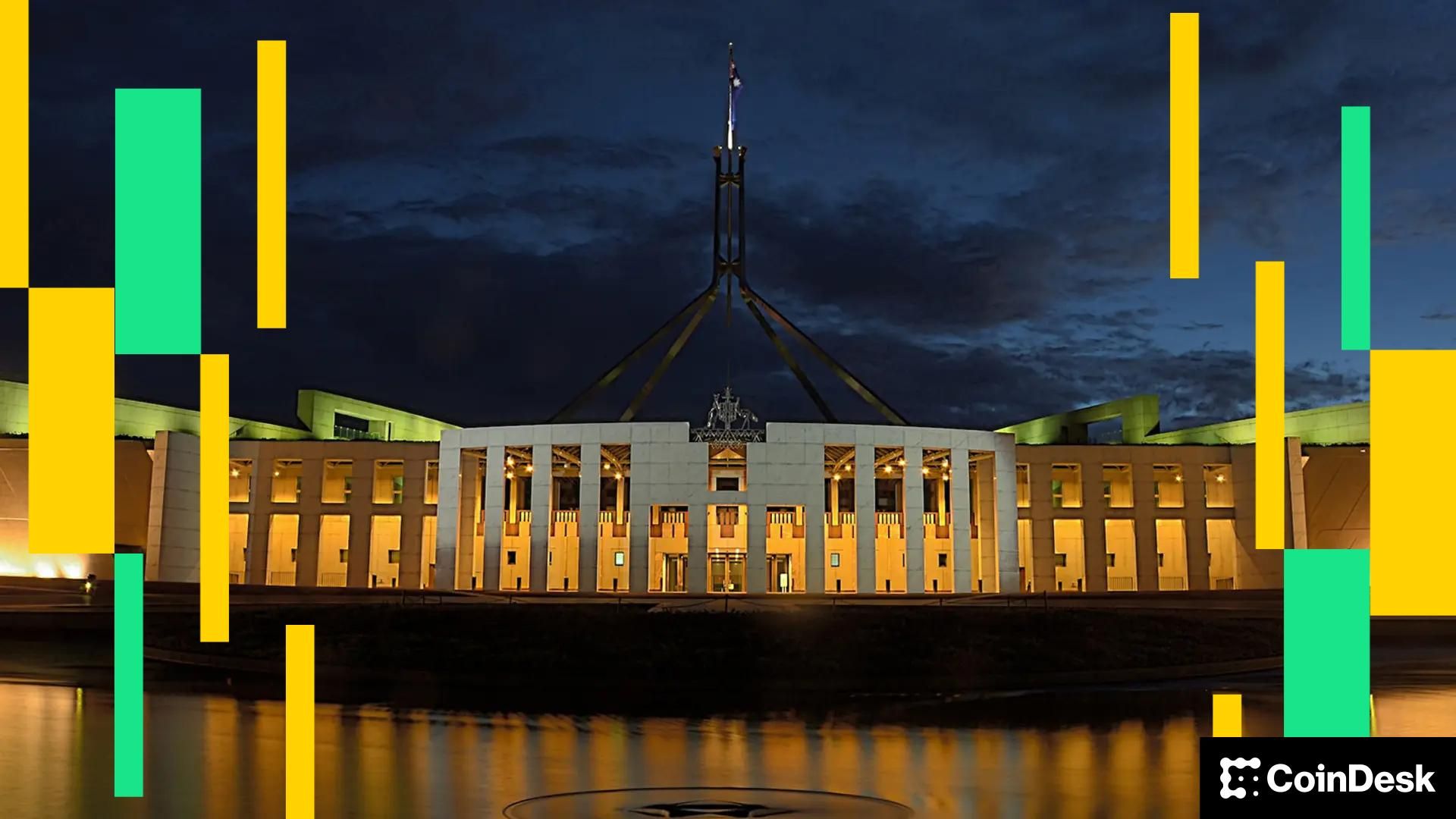
Canberra takes a decisive step toward formalizing cryptocurrency oversight as the Australian Senate Economics Legislation Committee throws its support behind proposed digital asset laws. This move signals a shift from观望 to action, positioning Australia to join jurisdictions like the EU and Singapore in establishing defined operational boundaries for blockchain-based finance. The committee's backing transforms the proposal from a theoretical framework into a legislative priority, demanding immediate attention from market participants operating within the region.
Regulatory clarity often precedes institutional capital inflows, and this development places Australian digital asset firms on notice to prepare for compliance upgrades. The legislation targets modernization of the existing financial framework, acknowledging the unique properties of crypto assets while integrating them into the broader economic system. Market participants now face a timeline where adherence to new rules becomes mandatory rather than optional.
What Happened
The Australian Senate Economics Legislation Committee formally endorsed a proposed bill designed to overhaul the regulatory treatment of digital assets. This endorsement grants the legislation momentum within the upper house, pushing the bill closer to a final vote. The core objective focuses on replacing ambiguous guidelines with statutory rules that define custody, trading, and reporting standards for cryptocurrency businesses.
Committee members reviewed the submission and identified the need for updated laws that reflect the current technological landscape. Previous regulations relied on analog financial structures that often failed to capture the nuances of decentralized protocols. The new framework intends to bridge this gap by creating specific categories for digital tokens, separating them from traditional securities where appropriate. This distinction allows for tailored compliance requirements rather than forcing crypto entities into ill-fitting legacy boxes.
Lawmakers emphasized the necessity of consumer protection alongside innovation promotion. The proposed rules aim to reduce fraud risks while maintaining an environment conducive to technological development. By backing the legislation, the committee sends a clear message to industry stakeholders: the era of self-regulation is ending, and statutory oversight is beginning. Firms operating in Australia must now align their operational models with forthcoming statutory requirements.
Market Data Snapshot
Primary Asset: Bitcoin (BTC)
- Current Price: $67,450
- 24h Price Change: [+2.15%]
- 7d Price Change: [+5.40%]
- Market Cap: $1.32 Trillion
- Volume Signal: High
- Market Sentiment: Bullish
- Fear & Greed Index: 72 (Greed)
- On-Chain Signal: Bullish
- Macro Signal: Neutral
Regulatory news from major economies typically correlates with increased volatility and volume. Bitcoin leads the market reaction as the primary benchmark for digital asset sentiment. Increased clarity in Australia reduces regional risk premiums, encouraging local institutional participation. Trading volumes spike as traders price in the reduced regulatory uncertainty.
Market Health Indicators
Technical Signals
- Support Level: $65,000 - Strong
- Resistance Level: $69,500 - Tested
- RSI (14d): 65 - Neutral
- Moving Average: Above key MA levels
On-Chain Health
- Network Activity: High
- Whale Activity: Accumulating
- Exchange Flows: Outflow
- HODLer Behavior: Strong Hands
Macro Environment
- DXY Impact: Neutral
- Bond Yields: Supportive
- Risk Appetite: Risk-On
- Institutional Flow: Buying
Why This Matters
For Traders
Immediate implications center on liquidity and volatility. Regulatory announcements often trigger short-term price swings as algorithms digest the news. Traders operating on Australian exchanges must verify that their platforms comply with the new framework to avoid service interruptions. Clear rules reduce the risk of sudden exchange shutdowns, providing a more stable environment for executing strategies. Volume likely increases as regional confidence grows.
For Investors
Long-term view suggests reduced existential risk for holdings within the Australian jurisdiction. Institutional investors require legal certainty before deploying significant capital. This legislation removes a barrier to entry for traditional finance firms looking to gain crypto exposure. Portfolios held by Australian residents gain a layer of protection through mandated custody standards. The shift encourages long-term holding over speculative churn.
What Most Media Missed
Headlines often focus on the existence of the bill, but the critical detail lies in the Committee's backing. A proposal without committee support remains stagnant. This endorsement accelerates the legislative timeline significantly. Many reports overlook the specific focus on modernizing the framework rather than merely restricting it. The intent targets integration, not prohibition. This nuance changes the narrative from crackdown to maturation. Market participants should note the distinction between committee backing and royal assent, as further hurdles remain.
What Happens Next
Short-Term Outlook
24-72 hour view expects continued digestion of the news across Asian trading sessions. Australian-based exchanges may issue compliance advisories to users. Price action likely stabilizes as the initial spike fades. Developers and legal teams within the region will begin reviewing the specific text of the proposed legislation. Expect press releases from major local crypto firms outlining their readiness for the new standards.
Long-Term Scenarios
Bull cases involve Australia becoming a hub for compliant crypto innovation, attracting firms fleeing stricter jurisdictions. Bear cases suggest compliance costs could squeeze smaller operators out of the market. The final law's texture determines the outcome. If rules remain proportionate, the ecosystem thrives. If burdens become excessive, activity migrates offshore. Monitoring the final vote date provides the next critical catalyst for market positioning.
Historical Parallel
Similar movements occurred when the European Union finalized MiCA regulations. Initial committee support in Europe preceded a 12-month implementation window. Markets rallied during the clarity phase before consolidating during the compliance build-out. Australia follows this pattern, suggesting a multi-quarter transition period. Historical data indicates that regulatory certainty correlates with higher market capitalizations over 18-month horizons. The Australian move mirrors the global trend toward formalizing digital asset economics.