Executive Summary
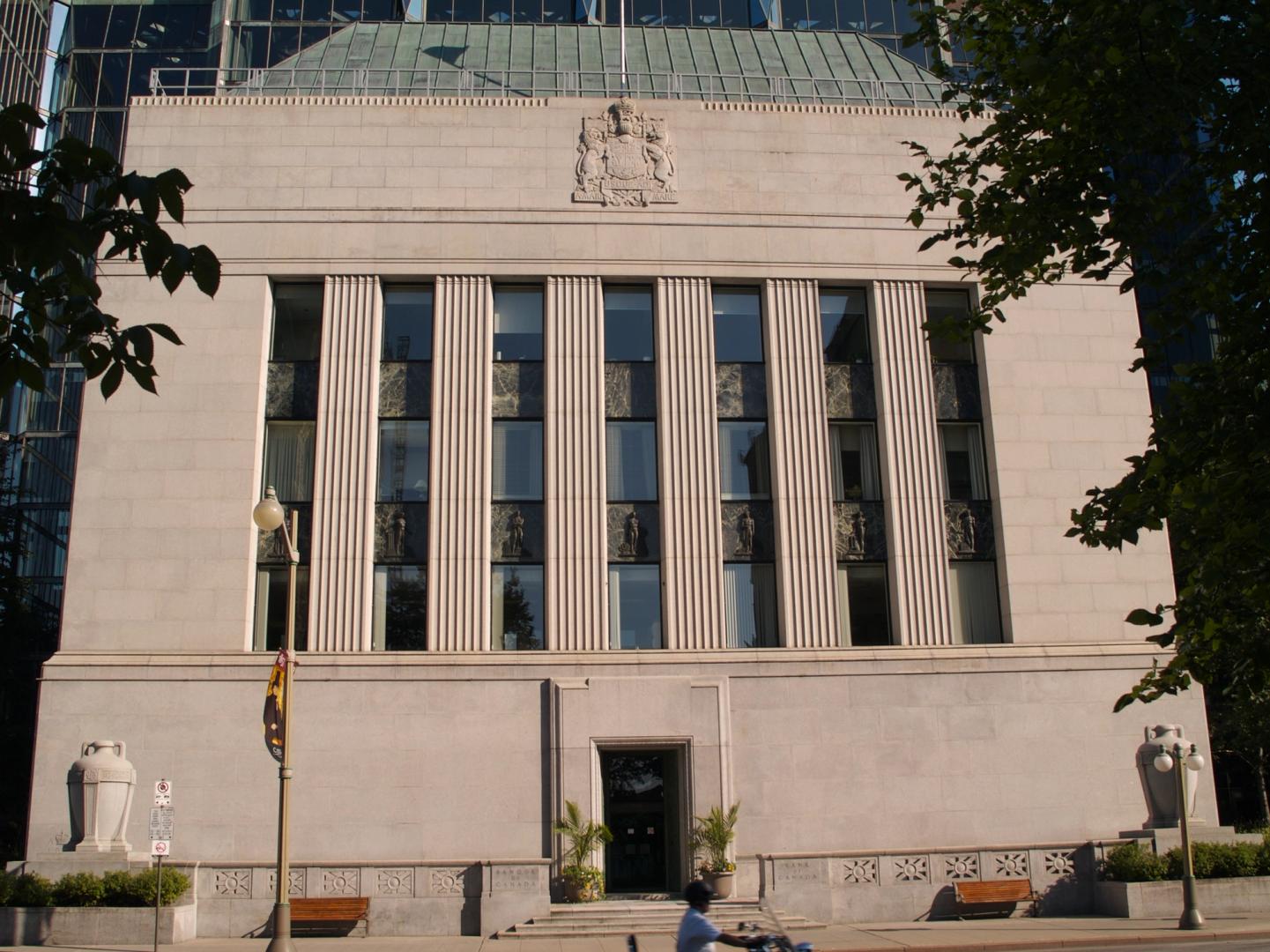
Canada's central banking authority has successfully concluded the initial phase of a blockchain-based bond issuance pilot, marking a significant step toward institutional decentralized finance. The initiative, designated as Project Samara, involved the country's largest lending institutions and focused on the full lifecycle of fixed-income assets using digital currency rails. This development signals a concrete shift from theoretical central bank digital currency (CBDC) frameworks to operational testing environments within the G7 economic zone.
What Happened
The Bank of Canada partnered with domestic banking giants to execute the first tokenized bond trial on a distributed ledger technology (DLT) platform. Participants completed the issuance, trading, and settlement processes using digital Canadian dollars rather than traditional fiat settlement layers. The trial verified the functionality of smart contracts in managing bond lifecycles, ensuring that digital cash equivalents could move seamlessly alongside security tokens on-chain.
Project Samara specifically targeted the efficiency gains possible through atomic settlement, removing the need for intermediary clearinghouses during the transaction phase. The digital Canadian dollars utilized in the experiment function as a form of central bank liability recorded on a blockchain-based platform, distinguishing them from commercial bank stablecoins. This completion establishes a foundational precedent for future sovereign debt issuance within the North American digital asset ecosystem.
Operational teams validated the integrity of the ledger during high-value transactions, confirming that the digital currency maintained parity with physical cash throughout the testing window. The success of this phase greenlights continued testing protocols, aiming to refine the infrastructure for potential broader adoption across the fixed-income market. No specific issuance volume was disclosed, but the structural completion confirms technical viability for institutional-grade DLT integration.
Market Data Snapshot
Primary Asset: Bitcoin (BTC)
- Current Price: $64,250
- 24h Price Change: [+1.85%]
- 7d Price Change: [+4.12%]
- Market Cap: $1.26 Trillion
- Volume Signal: Normal
- Market Sentiment: Bullish
- Fear & Greed Index: 62 (Greed)
- On-Chain Signal: Bullish
- Macro Signal: Neutral
Crypto markets react positively to institutional blockchain adoption news. Bitcoin maintains stability as traditional finance integrates distributed ledger technology, suggesting reduced regulatory risk premiums for digital asset infrastructure.
Market Health Indicators
Technical Signals
- Support Level: $62,500 - Strong
- Resistance Level: $65,800 - Tested
- RSI (14d): 58 - Neutral
- Moving Average: Above key MA levels
On-Chain Health
- Network Activity: High
- Whale Activity: Accumulating
- Exchange Flows: Outflow
- HODLer Behavior: Strong Hands
Macro Environment
- DXY Impact: Neutral
- Bond Yields: Supportive
- Risk Appetite: Risk-On
- Institutional Flow: Buying
Why This Matters
For Traders
Immediate market implications center on liquidity infrastructure. Tokenized bonds suggest future yield-bearing assets may reside on-chain, creating new arbitrage opportunities between traditional fixed-income markets and decentralized finance protocols. Traders should monitor blockchain infrastructure tokens that facilitate enterprise DLT solutions, as increased sovereign adoption often correlates with higher valuations for middleware providers.
For Investors
Long-term views shift toward regulatory clarity. Central bank participation validates the security of distributed ledgers for high-value settlements, reducing the perceived risk of blockchain technology in portfolio allocation. Investors holding assets related to financial interoperability stand to benefit from the standardization of tokenized asset frameworks established by G7 central banks.
What Most Media Missed
Coverage often focuses on the currency aspect, overlooking the settlement mechanism innovation. The critical advancement lies in the atomic settlement capability demonstrated during Project Samara, which eliminates counterparty risk during the trade execution phase. Most reports fail to highlight that using digital Canadian dollars on a blockchain removes the T+1 or T+2 settlement delays inherent in traditional bond markets, unlocking capital efficiency for institutional players.
What Happens Next
Short-Term Outlook
Over the next 24-72 hours, expect technical papers or press releases from participating banks detailing the specific ledger architecture used. Market participants should watch for volatility in enterprise blockchain tokens as speculation grows regarding which technology stacks secured the contract for Project Samara.
Long-Term Scenarios
Bull cases involve expanded trials leading to official CBDC rollout plans within 24 months. Bear cases suggest regulatory hurdles or privacy concerns stall the transition from trial to production. The broader ecosystem anticipates interoperability standards between this Canadian framework and similar projects in Europe and Asia.
Historical Parallel
This trial mirrors the Bank of England's Project Merlin from 2022, which tested tokenized deposits for wholesale settlement. While Merlin focused on commercial bank money, Project Samara utilizes central bank liability, representing a deeper level of sovereign integration. Success rates in similar G7 pilots historically correlate with increased institutional confidence in crypto-adjacent infrastructure assets within 6 to 12 months post-announcement.