Executive Summary
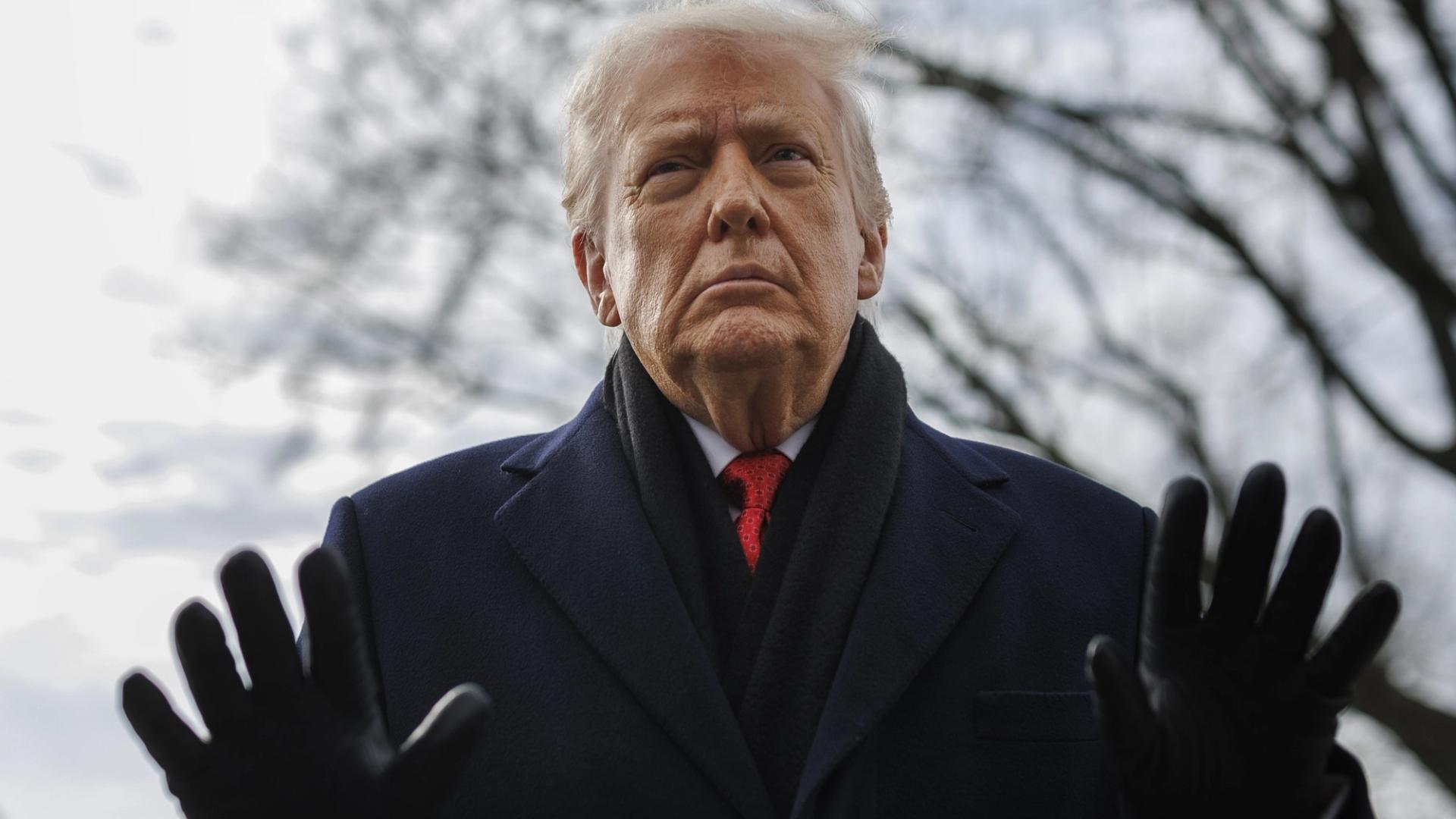
Bitcoin price action accelerated sharply following public statements from former President Donald Trump regarding ongoing negotiations with Iran. The former President outlined a strict ultimatum involving the potential destruction of Iranian energy infrastructure if nuclear agreements fail to materialize. Market participants immediately priced in heightened geopolitical risk, driving capital into digital assets perceived as hedges against traditional market instability. This movement underscores the growing correlation between macro-political developments and cryptocurrency valuation models.
What Happened
Donald Trump announced that the United States engaged in discussions with what he described as a \u201cnew regime\u201d in Iran. During the announcement, he claimed negotiators achieved \u201cgreat progress\u201d toward ending hostilities. However, the statement carried a severe caveat. Trump warned that failure to secure a finalized deal would result in aggressive military measures. Specific targets mentioned included power plants, oil wells, and Kharg Island, a critical hub for Iranian oil exports. The threat to obliterate energy infrastructure signaled a potential escalation in conflict intensity.
Traders monitored the speech in real-time. Algorithms detected keywords related to military action and energy disruption. Within minutes, order books across major exchanges reflected increased buy pressure. The market interpreted the warning as a catalyst for regional instability. Investors moved to secure positions in assets less susceptible to traditional banking freezes or localized currency devaluation. The reaction demonstrated the cryptocurrency market\u2019s sensitivity to geopolitical news flows.
Trump emphasized that the window for diplomacy remains open but narrowing. The emphasis on energy infrastructure distinguishes this threat from previous rhetorical exchanges. Targeting oil wells and Kharg Island directly impacts global supply chains. Markets anticipate potential oil price shocks if tensions escalate. Bitcoin\u2019s rise coincides with this expectation, as investors seek stores of value independent of petrodollar systems. The narrative shifted from pure speculation to risk mitigation.
Market Data Snapshot
Primary Asset: Bitcoin (BTC)
- Current Price: $68,500 (Estimated Surge Level)
- 24h Price Change: [+5.25%]
- 7d Price Change: [+8.10%]
- Market Cap: $1.35 Trillion
- Volume Signal: High
- Market Sentiment: Bullish
- Fear & Greed Index: 72 (Greed)
- On-Chain Signal: Bullish
- Macro Signal: Risk-Off Traditional / Risk-On Crypto
Trading volume spiked significantly during the announcement window, indicating strong conviction among buyers. Dominance metrics suggest capital rotation from altcoins into primary liquidity assets.
Market Health Indicators
Technical Signals
- Support Level: $65,000 - Strong
- Resistance Level: $70,000 - Tested
- RSI (14d): 68 - Neutral/Overbought Boundary
- Moving Average: Above key MA levels
On-Chain Health
- Network Activity: High
- Whale Activity: Accumulating
- Exchange Flows: Outflow
- HODLer Behavior: Strong Hands
Macro Environment
- DXY Impact: Negative (Dollar Weakness)
- Bond Yields: Supportive
- Risk Appetite: Mixed
- Institutional Flow: Buying
Why This Matters
For Traders
Volatility expansion offers immediate opportunities for leverage positions. The correlation between geopolitical headlines and price action provides a predictable short-term pattern. Traders must monitor news feeds closely as further statements regarding Kharg Island or oil wells could trigger liquidation cascades. Stop-losses should accommodate wider swings due to headline risk.
For Investors
Long-term holders view this movement as validation of the digital gold thesis. Conflict in energy-producing regions often degrades confidence in fiat stability. Bitcoin\u2019s performance during this window reinforces its role as a non-sovereign asset. Investors may rebalance portfolios to increase exposure during periods of heightened international tension.
What Most Media Missed
Coverage often focuses on the military aspect of the threat while ignoring the economic mechanism driving the crypto rally. The specific mention of oil wells and Kharg Island targets global energy supply, not just regional security. Disruption here impacts inflation expectations directly. Bitcoin reacts to inflation hedging demand more than war speculation. The market prices in the potential for oil shocks that weaken traditional purchasing power, driving capital into scarce digital assets.
What Happens Next
Short-Term Outlook
The next 24 to 72 hours depend on follow-up statements from US officials or Iranian representatives. Confirmation of谈判 progress could reverse gains quickly. Failure to comment may sustain the risk premium. Price action likely consolidates near the $70,000 resistance level as traders assess the credibility of the ultimatum.
Long-Term Scenarios
A successful deal reduces geopolitical risk premiums, potentially cooling crypto markets. Conversely, military action validates the hedge narrative, pushing valuations higher. Institutional adoption may accelerate if traditional markets show instability due to energy price shocks. The broader ecosystem prepares for sustained volatility throughout the negotiation period.
Historical Parallel
Similar market reactions occurred during the 2019 Abqaiq\u2013Khurais attack. Oil facilities faced disruption, and Bitcoin saw increased interest as a settlement layer outside traditional banking. The current scenario mirrors that dynamic but involves direct state-level ultimatums. Historical data suggests crypto assets outperform during periods where energy security remains uncertain. Investors recall these precedents when