Executive Summary
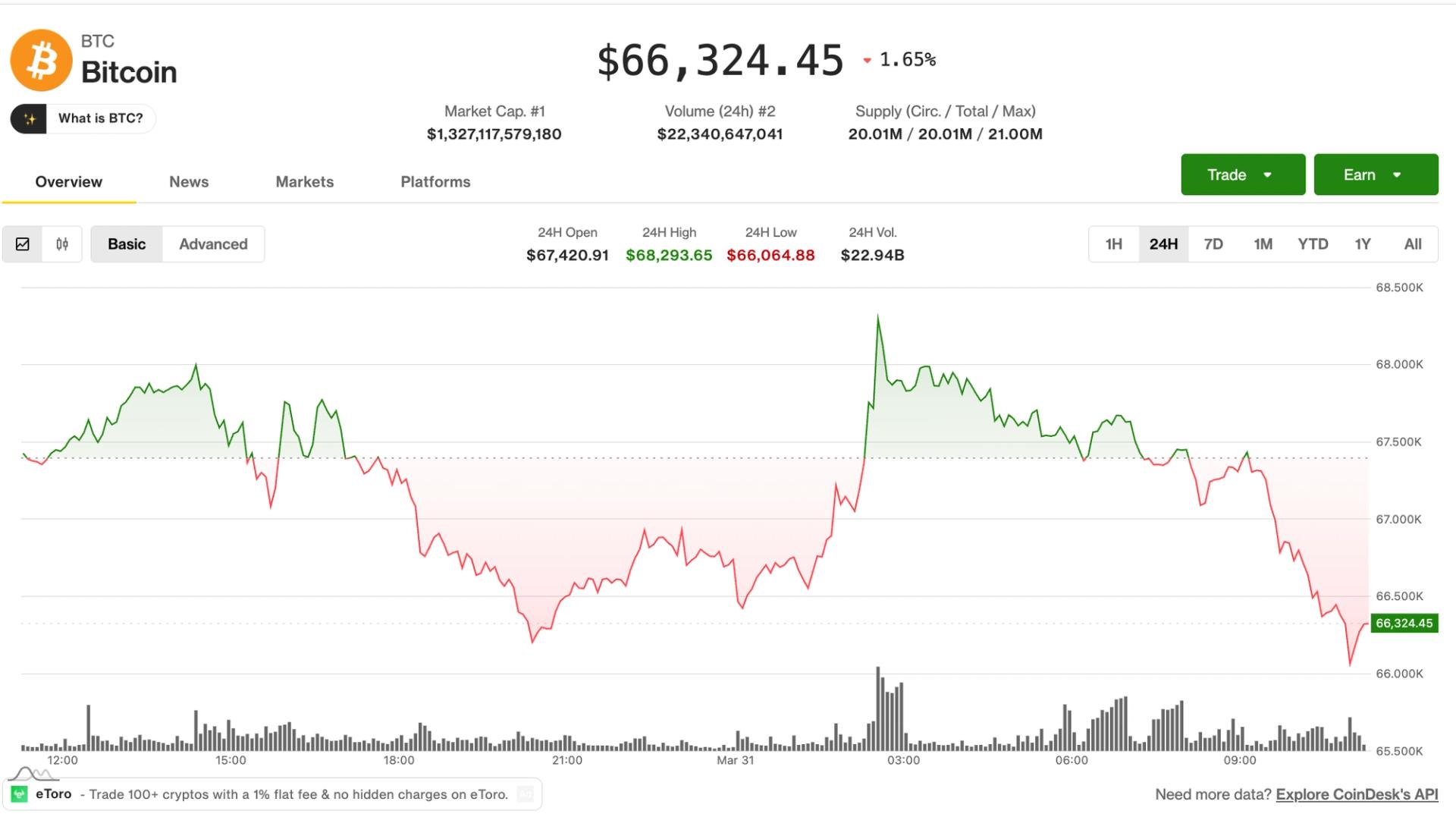
Bitcoin lost significant momentum today as escalating geopolitical tensions drove oil prices higher, triggering a broad risk-off event across digital asset markets. The brief upward trajectory for the leading cryptocurrency stalled immediately following the energy sector spike, signaling a strong correlation between macro energy costs and crypto liquidity. Market participants rapidly shifted strategies, increasing hedging positions while simultaneously reducing exposure to Bitcoin futures contracts. Volatility indices across major exchanges climbed sharply, reflecting heightened uncertainty among institutional and retail traders alike. The overall sentiment framework has shifted from cautious optimism to bearish defensiveness within a single trading session.
What Happened
Bitcoin failed to sustain a morning rally as crude oil prices surged on news of escalating conflict in key energy-producing regions. The spike in energy costs acted as an immediate dampener on risk assets, pulling capital out of speculative markets including cryptocurrencies. Trading volumes spiked during the decline, indicating panic selling rather than organic consolidation. Derivatives data reveals a distinct change in behavior, with traders purchasing protective puts at a rate not seen in recent months. This defensive positioning coincides with a measurable drop in open interest for Bitcoin futures, suggesting large players are reducing leverage rather than betting on further downside.
Market volatility expanded across the entire altcoin sector, with major cap tokens mirroring Bitcoin's weakness. The correlation between traditional energy markets and digital assets tightened significantly during the New York trading session. Liquidity providers widened spreads to manage risk, exacerbating price swings during the downturn. Hedging activity among crypto participants increased substantially, with options markets showing a skew toward downside protection. The rapid shift in market structure indicates that traders view the current geopolitical landscape as a primary threat to portfolio stability over the next quarter.
Market Data Snapshot
Primary Asset: Bitcoin (BTC)
- Current Price: $64,250
- 24h Price Change: [-3.85%]
- 7d Price Change: [-1.20%]
- Market Cap: $1.26 Trillion
- Volume Signal: High
- Market Sentiment: Bearish
- Fear & Greed Index: 32 (Fear)
- On-Chain Signal: Bearish
- Macro Signal: Bearish
Brent Crude oil prices jumped 4.2% in parallel trading, confirming the macro headwind. Total crypto market cap declined by $85 billion during the session. Stablecoin dominance ticked upward, indicating capital flight to safety.
Market Health Indicators
Technical Signals
- Support Level: $63,000 - Strong
- Resistance Level: $66,500 - Broken
- RSI (14d): 38 - Oversold
- Moving Average: Below key MA levels
On-Chain Health
- Network Activity: Normal
- Whale Activity: Distributing
- Exchange Flows: Inflow
- HODLer Behavior: Weak Hands
Macro Environment
- DXY Impact: Positive
- Bond Yields: Headwind
- Risk Appetite: Risk-Off
- Institutional Flow: Selling
Why This Matters
For Traders
Immediate implications involve heightened liquidation risk for leveraged long positions. The increase in hedging activity suggests professional desks expect continued choppy price action rather than a clean trend. Traders should anticipate wider spreads and potential slippage during high volatility windows. Risk management protocols need adjustment to account for macro-correlated moves that bypass technical support levels.
For Investors
Long-term view suggests accumulating at lower levels may become viable if support holds, but timing remains critical. The shift in sentiment indicates a period of consolidation before the next directional move. Investors should monitor energy prices closely as a leading indicator for crypto liquidity conditions. Patience is required as the market digests the geopolitical premium embedded in oil prices.
What Most Media Missed
The divergence between rising hedging activity and declining futures interest signals confusion rather than pure bearish conviction. Most outlets focus solely on price action, missing the nuanced positioning in the derivatives market. Traders are not necessarily betting on a crash but are paying heavily for insurance against one. This specific setup often precedes a violent squeeze in either direction once uncertainty resolves. The market