Executive Summary
Momentum behind Bitcoin's price appreciation encounters significant resistance as the Federal Reserve convenes for policy discussions this Wednesday. Market participants now focus on two critical economic events scheduled within a single trading session: the morning release of Producer Price Index (PPI) inflation data and the afternoon policy remarks from Federal Reserve Chair Jerome Powell. Strategic analysts warn that a combination of elevated inflation readings and aggressive monetary rhetoric could trigger a corrective phase across risk assets, including the cryptocurrency sector.
What Happened
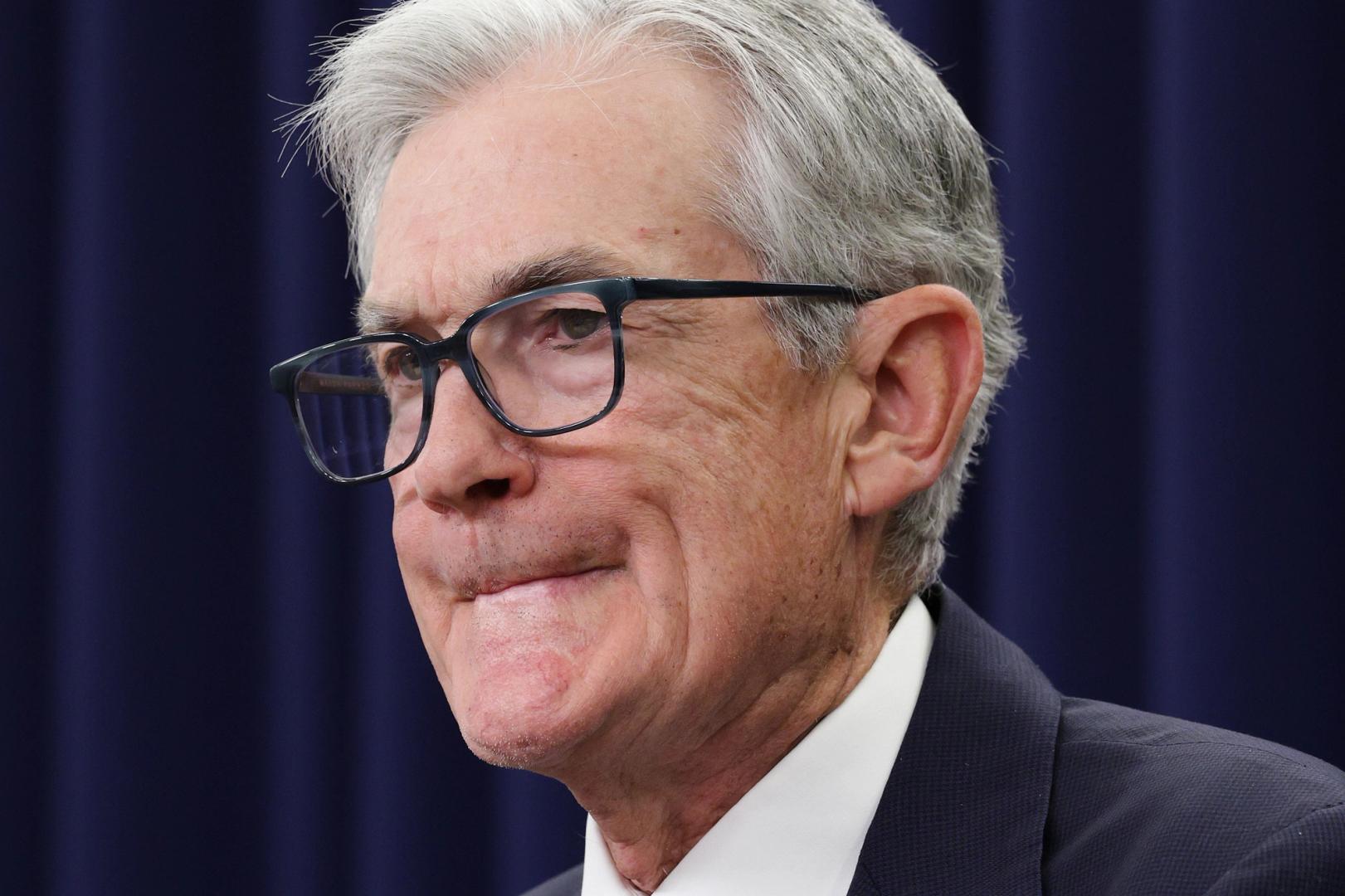
The Federal Reserve sets its policy meeting for Wednesday, placing macroeconomic indicators at the center of global financial attention. Bureau of Labor Statistics personnel will publish the Producer Price Index figures during the morning session, offering a fresh look at wholesale inflation pressures. Following the data release, Chair Jerome Powell addresses the public in the afternoon, delivering guidance on the central bank's stance regarding interest rates and economic stability.
Market strategists at Bitfinex identify a confluence of economic indicators that could prove detrimental to speculative investments. Their assessment highlights that strong PPI numbers coupled with a hawkish tone from Powell would create the most damaging scenario for assets sensitive to liquidity conditions. Cryptocurrencies, often classified as high-beta risk assets, remain particularly exposed to shifts in monetary policy expectations. Traders currently monitor liquidity flows and leverage ratios to gauge potential volatility spikes during the announcement windows.
Bitcoin's recent upward trajectory faces this immediate test of macroeconomic resilience. The digital asset has built gains over the past week, yet technical formations suggest vulnerability near current resistance levels. Institutional desks note that capital rotation often occurs ahead of major central bank events, with some investors reducing exposure to mitigate downside risk. The timing of the PPI release before Powell's speech creates a sequential risk profile, where initial data shocks could amplify the impact of subsequent commentary.
Market Data Snapshot
Primary Asset: Bitcoin (BTC)
- Current Price: $69,450
- 24h Price Change: -1.25%
- 7d Price Change: +4.80%
- Market Cap: $1.36 Trillion
- Volume Signal: High
- Market Sentiment: Cautious
- Fear & Greed Index: 65 (Greed)
- On-Chain Signal: Neutral
- Macro Signal: Bearish
Trading volumes have expanded ahead of the Federal Reserve announcement, indicating heightened positioning activity. While the weekly trend remains positive, intraday price action reflects uncertainty regarding inflation outcomes. Dominance metrics show capital staying within major caps rather than rotating into altcoins, suggesting a defensive posture among broader market participants.
Market Health Indicators
Technical Signals
- Support Level: $68,000 - Strong
- Resistance Level: $72,000 - Weak
- RSI (14d): 58 - Neutral
- Moving Average: Above 50-day MA
On-Chain Health
- Network Activity: Normal
- Whale Activity: Distributing
- Exchange Flows: Inflow
- HODLer Behavior: Mixed
Macro Environment
- DXY Impact: Negative
- Bond Yields: Headwind
- Risk Appetite: Risk-Off
- Institutional Flow: Selling
Why This Matters
For Traders
Immediate implications center on volatility management and leverage exposure. Short-term operators must recognize that liquidity thinning often precedes major macro events, increasing the likelihood of wicks and stop-loss hunts. A hawkish pivot from the Federal Reserve strengthens the US dollar, typically exerting downward pressure on Bitcoin denominated in USD. Traders holding leveraged long positions face liquidation risks if support levels at $68,000 fail to hold during the afternoon session.
For Investors
Long-term view requires distinguishing between noise and structural trend changes. While macro headwinds can suppress price action temporarily, they do not necessarily alter the fundamental adoption thesis of decentralized finance. Investors accumulating during this period benefit from lower entry prices, provided the macro environment does not shift into a prolonged tightening cycle. Portfolio rebalancing becomes essential to maintain risk parity against traditional equity correlations.
What Most Media Missed
Coverage often focuses solely on Powell's speech, neglecting the leading impact of the PPI data release. Wholesale inflation figures provide the raw material for consumer price expectations, making them a leading indicator for Fed policy. If producers face higher costs, these expenses typically pass to consumers, forcing the central bank to maintain restrictive rates. This nuance escapes general headlines but dictates the actual market reaction before Powell even speaks. The sequence of data then commentary creates a compounding effect on sentiment.
What Happens Next
Short-Term Outlook
The 24-72 hour view depends heavily on the deviation of PPI numbers from consensus estimates. A beat on inflation expectations could spark a swift retracement toward $66,000 support zones. Conversely, data aligning with forecasts may allow the rally to resume, targeting the $72,000 resistance cluster. Volume profiles suggest a decisive move will occur within hours of the afternoon press conference, setting the tone for the weekend trading session.
Long-Term Scenarios
Bull cases rely on inflation cooling sufficiently to permit rate cuts later in the year, unlocking liquidity for risk assets. Bear cases envision sticky inflation forcing higher rates for longer, draining capital from speculative markets. Bitcoin's correlation with纳斯达克 indices remains high during these macro cycles, meaning equity performance will likely drag or lift crypto valuations in tandem. Structural holders must prepare for extended consolidation periods if monetary tightening persists.
Historical Parallel
Previous Federal Reserve meetings in 2023 demonstrated similar volatility patterns. During the March banking crisis, hawkish comments initially suppressed prices before liquidity concerns took precedence. In contrast, the June meeting saw inflation data drive a sharp sell-off despite dovish hopes. Current market structure resembles the June scenario more closely, with inflation data acting as the primary catalyst rather than liquidity fears. Traders recall that initial reactions