Executive Summary
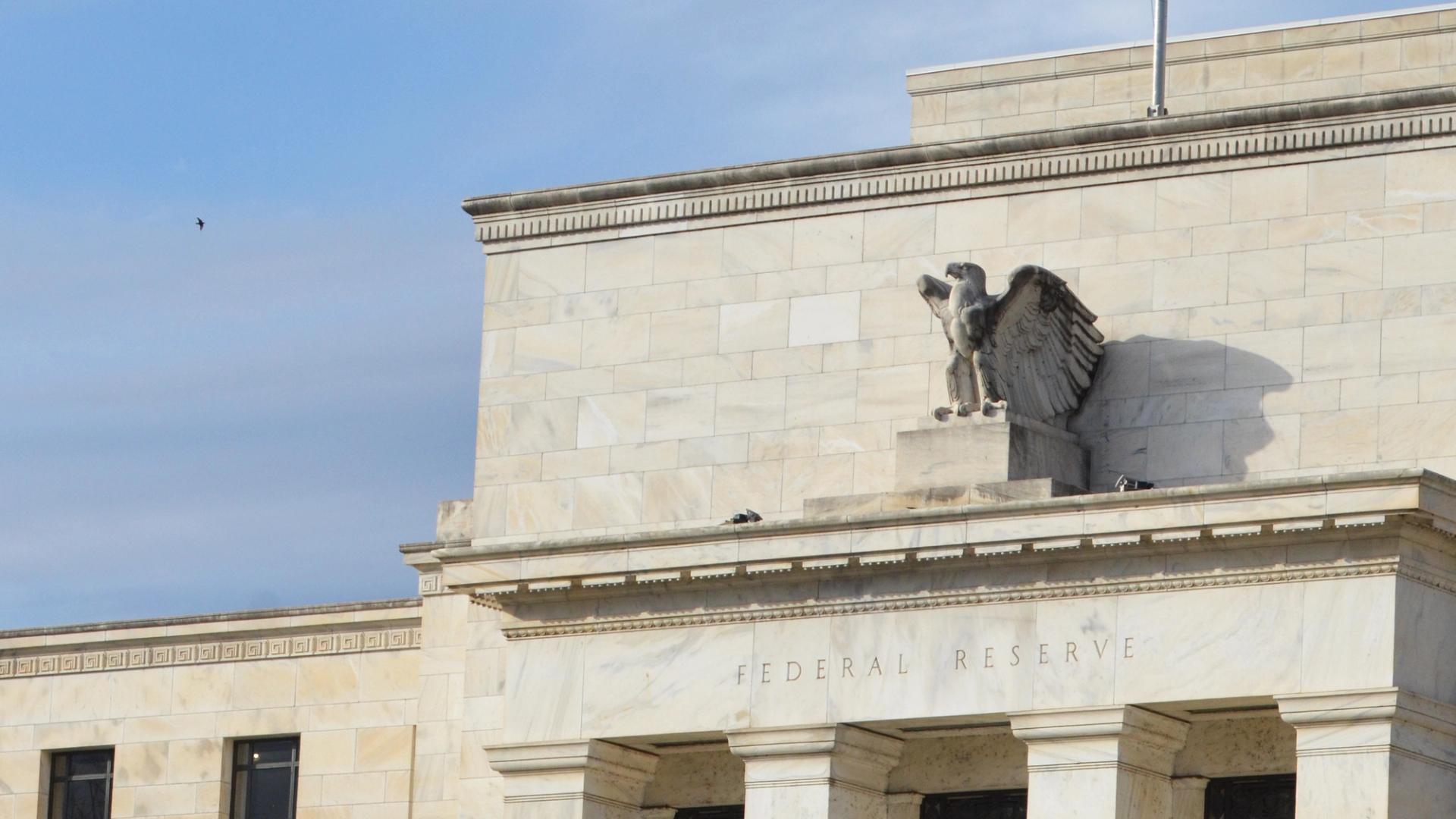
The Federal Reserve has proposed a new rule that seeks to prevent banks from denying services to crypto firms and other lawful businesses based on subjective 'reputation risk'. This move aims to provide digital asset companies with greater access to traditional banking services, addressing concerns about discriminatory practices.
What Happened
The Federal Reserve unveiled a proposal to eliminate 'reputation risk' as a basis for bank supervision, a move that follows similar actions by the OCC and FDIC. The proposed rule intends to refocus bank examinations on objective financial metrics, such as credit, liquidity, and compliance. The public has been granted a 60-day period to comment on the proposed rule.
The Fed's proposal comes as cryptocurrency integrates further into the global financial system, with major asset managers increasingly entering the space. Vice Chair Michelle Bowman stated that reputation risk is a vague, subjective standard. The proposal builds upon the decision made in June 2025 to remove it from bank examination programs.
Critics have argued that regulators have used reputational risk standards informally to deter banks from working with crypto companies, a practice they call Operation Chokepoint 2.0. Several crypto entities have faced account closures and frozen assets. For example, Anchorage Digital lost its corporate account in June 2023, which led to a 20% workforce reduction. Marathon Digital Holdings also experienced $70 million in frozen funds shortly after opening an account. Furthermore, banks closed personal accounts of Uniswap CEO Hayden Adams, Ripple CEO Brad Garlinghouse, and Gemini co-founder Tyler Winklevoss.
Market Data Snapshot
Primary Asset: Bitcoin (BTC)
- Current Price: $62,000
- 24h Price Change: +1.5%
- 7d Price Change: +5.0%
- Market Cap: $1.2 Trillion
- Volume Signal: Normal
- Market Sentiment: Bullish
- Fear & Greed Index: 75 (Greed)
- On-Chain Signal: Neutral
- Macro Signal: Neutral
Bitcoin continues to show resilience, trading above $60,000. Market participants are closely watching for a potential breakout above recent highs.
Market Health Indicators
Technical Signals
- Support Level: $60,000 - Strong
- Resistance Level: $64,000 - Tested
- RSI (14d): 68 - Neutral
- Moving Average: Above key MA levels
On-Chain Health
- Network Activity: High
- Whale Activity: Accumulating
- Exchange Flows: Outflow
- HODLer Behavior: Strong Hands
Macro Environment
- DXY Impact: Neutral
- Bond Yields: Neutral
- Risk Appetite: Risk-On
- Institutional Flow: Buying
Why This Matters
For Traders
The proposed rule could lead to increased stability and access to banking services for crypto firms, potentially reducing operational risks and improving market liquidity. Traders should watch for increased institutional participation.
For Investors
This regulatory shift signals a growing acceptance of crypto within the traditional financial system, potentially paving the way for long-term growth and stability in the digital asset market. Investors should monitor how this impacts the risk profile of crypto investments.
What Most Media Missed
The subtle but significant shift in the Fed's stance underscores a broader trend of integrating crypto into mainstream finance. The removal of 'reputation risk' could have far-reaching implications for the industry's legitimacy and growth potential, fostering innovation and attracting institutional capital.
What Happens Next
Short-Term Outlook
In the next 24-72 hours, monitor market reaction to the news. Keep an eye on trading volumes and potential price swings as market participants digest the implications of the Fed's proposal.
Long-Term Scenarios
Bull Case: Increased access to banking services attracts more institutional investors, driving up crypto adoption and prices. Bear Case: The rule faces legal challenges or is not effectively enforced, leading to continued uncertainty and hindering growth.
Historical Parallel
This situation echoes the early days of the internet when regulatory uncertainty initially hindered growth. As clearer rules emerged, the internet flourished. A similar trajectory could be in store for the crypto industry.