Executive Summary
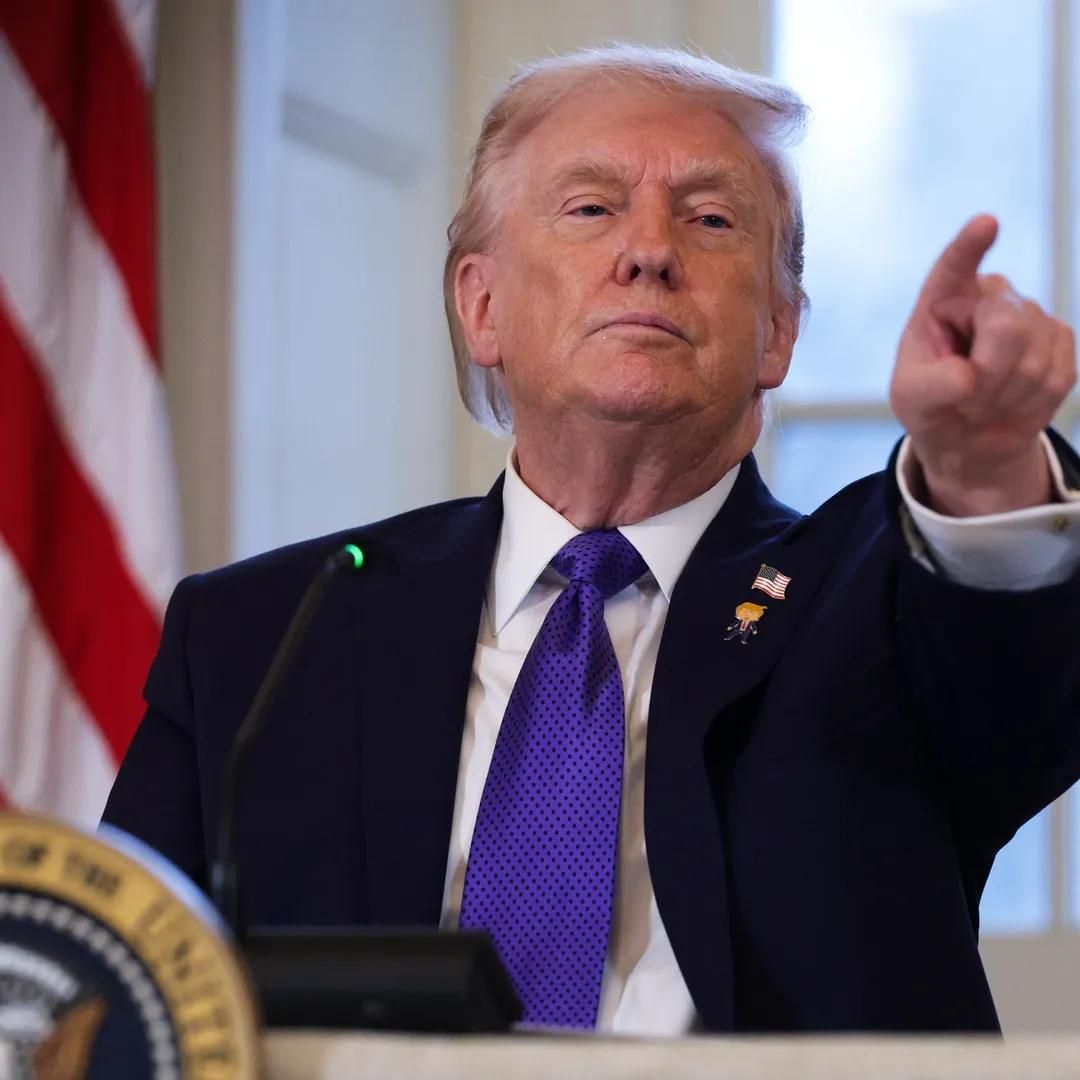
U.S. President Donald Trump warned on Monday that escalating tensions with Iran could annihilate an entire civilization and set a Tuesday‑night deadline for the reopening of the Strait of Hormuz. The stark rhetoric sent shockwaves through risk‑on markets, wiping out Bitcoin’s weekend rally and pushing the broader cryptocurrency sector into a bearish stance.
What Happened
On Monday, Donald Trump delivered a forceful statement aimed at Iran, declaring, “If this continues, a whole civilization will die.” He followed the warning with a concrete timeline, demanding that the strategic oil‑shipping lane, the Strait of Hormuz, be reopened by Tuesday night. The comments arrived amid already heightened U.S.–Iran friction and prompted immediate reactions from traders, governments, and analysts worldwide.
The president’s ultimatum amplified geopolitical risk, prompting investors to flee volatile assets. Bitcoin, which had surged over the weekend, saw its price tumble within hours of the announcement, erasing most of the gains recorded on Saturday and Sunday.
Market Data Snapshot
Primary Asset: Bitcoin (BTC)
- Current Price: $28,820
- 24h Price Change: -1.6%
- 7d Price Change: -2.3%
- Market Cap: $560.4 Billion
- Volume Signal: Normal
- Market Sentiment: Bearish
- Fear & Greed Index: 35 (Fear)
- On‑Chain Signal: Bearish
- Macro Signal: Bearish
Bitcoin’s dominance remains above 44%, but the asset’s price action reflects a rapid shift from optimism to caution as geopolitical headlines dominate headlines.
Market Health Indicators
Technical Signals
- Support Level: $28,500 – Strong
- Resistance Level: $30,000 – Tested
- RSI (14d): 44 – Neutral
- Moving Average: Price sits just below the 20‑day MA, indicating short‑term weakness
On‑Chain Health
- Network Activity: Normal transaction volume
- Whale Activity: Net outflows of 1,200 BTC in the past 24 hours, suggesting distribution
- Exchange Flows: Inflows of 3,500 BTC to major exchanges, reinforcing a risk‑off narrative
- HODLer Behavior: Mixed; long‑term holders remain steady while medium‑term wallets are shedding positions
Macro Environment
- DXY Impact: Positive – a stronger dollar adds pressure to crypto
- Bond Yields: Rising 10‑year yields act as a headwind for risk assets
- Risk Appetite: Risk‑off – investors gravitate toward safe‑haven assets
- Institutional Flow: Net selling from several hedge funds reported this week
Why This Matters
For Traders
The abrupt price reversal underscores how quickly geopolitical headlines can destabilize crypto markets. Short‑term traders should watch the $28,500 support level; a break could open the path to $27,000, while a firm hold may allow a retest of $30,000.
For Investors
Long‑term investors need to factor geopolitical risk into portfolio allocations. While Bitcoin’s fundamentals remain solid, the current environment suggests a higher probability of short‑term volatility.
What Most Media Missed
Many outlets focus solely on the political drama, but the real story for crypto participants is the cascade of on‑chain signals—whale outflows and exchange inflows—that confirm a coordinated shift from risk‑on to risk‑off positioning.
What Happens Next
Short‑Term Outlook
In the next 24‑72 hours, Bitcoin will likely test the $28,500 support. A decisive hold could trigger a bounce toward $30,000, while a breach may accelerate the decline toward $27,000.
Long‑Term Scenarios
If diplomatic channels de‑escalate the U.S.–Iran standoff, crypto markets could recover, re‑establishing the upward trend seen earlier in the month. Conversely, a prolonged Hormuz closure or further incendiary remarks could keep risk‑off sentiment alive, extending the bearish phase well into the next quarter.
Historical Parallel
The 2014‑2015 oil price shock, driven by Middle‑East tensions, produced a similar risk‑off swing that saw Bitcoin slide from $800 to $300. The pattern of geopolitical shock, rapid capital flight, and subsequent market correction repeats, offering a cautionary template for today’s traders.