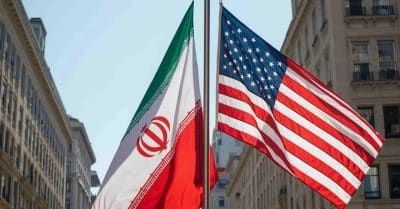
Demand for Permanent Guarantees Explained
Why would a nation refuse a temporary break in fighting? The answer lies in the desire for long-term stability rather than fleeting calm. Iranian representatives argued that short-term pauses often fail to address root causes. They insist that any agreement must include binding commitments that prevent future escalations. This stance suggests a lack of trust in previous informal arrangements. Diplomats understand that temporary truces sometimes allow sides to regroup rather than reconcile. By pushing for permanent guarantees, Tehran signals it wants an end-game solution. This approach requires more extensive legal frameworks and stronger enforcement mechanisms than standard truces.
How Iran Ceasefire Rejection Complicates Diplomacy
The decision creates immediate obstacles for international negotiators. Most peace processes rely on incremental steps to build trust over time. A sudden demand for comprehensive guarantees disrupts this gradual approach. Mediators must now draft agreements that satisfy immediate security concerns while promising long-term resolution. This dual requirement slows down the drafting process significantly. Furthermore, other regional stakeholders may hesitate to commit without seeing tangible benefits early on. The Iran ceasefire rejection forces all parties to rethink their negotiation tactics. Can diplomats pivot quickly enough to meet these heightened expectations? Many experts believe restructuring the talks will take weeks or even months.
Market Confidence and Economic Ripple Effects
Geopolitical instability often triggers volatility in global financial markets. Investors dislike uncertainty, especially when it involves major energy-producing regions. News of the failed temporary deal caused immediate reactions among traders. Oil prices fluctuated as analysts weighed the risk of prolonged conflict. When peace efforts stall, supply chains face potential disruptions. Businesses operating in the region must account for higher insurance premiums and logistical delays. Consider the following economic impacts often associated with such diplomatic setbacks:
- Increased volatility in crude oil pricing.
- Higher risk premiums for emerging market investments.
- Potential delays in regional infrastructure projects.
- Reduced consumer confidence in affected economies.
These factors combine to create a cautious investment environment. Market confidence relies heavily on predictable political outcomes. Without a clear path to peace, capital may flow toward safer assets elsewhere.
Long-Term Geopolitical Instability Risks
Prolonged negotiations increase the window for unintended escalations. While leaders talk, tensions on the ground may remain high. A lack of immediate ceasefire means military incidents could still occur. Such events might derail talks entirely if casualties rise. Strategic analysts warn that extended instability benefits hardline factions within various governments. These groups often gain support when diplomatic solutions appear weak. Consequently, moderate voices lose influence over time. The region risks entering a cycle where instability becomes the norm rather than the exception. Breaking this cycle requires bold leadership and verified commitments from all sides. Trust must be rebuilt through actions, not just words.
Conclusion and Future Outlook
The path to regional peace has become more challenging following recent developments. Tehran's insistence on permanent guarantees highlights the depth of security concerns involved. While the Iran ceasefire rejection complicates immediate efforts, it also clarifies the ultimate goals