Executive Summary
As mainstream media focuses on Bitcoin's price drop due to Netanyahu's stance on Iran, the underlying 'Extreme Fear' in the crypto market could be a broader reaction to escalating geopolitical tensions. This fear, coupled with historically low Fear & Greed Index scores, might create a contrarian buying opportunity for investors willing to look beyond immediate price action. Geopolitical fear, not just Bitcoin price action, may be driving the current market downturn, presenting a potential contrarian buying opportunity for those who understand macro trends.
📊 Market Data Snapshot
What Happened
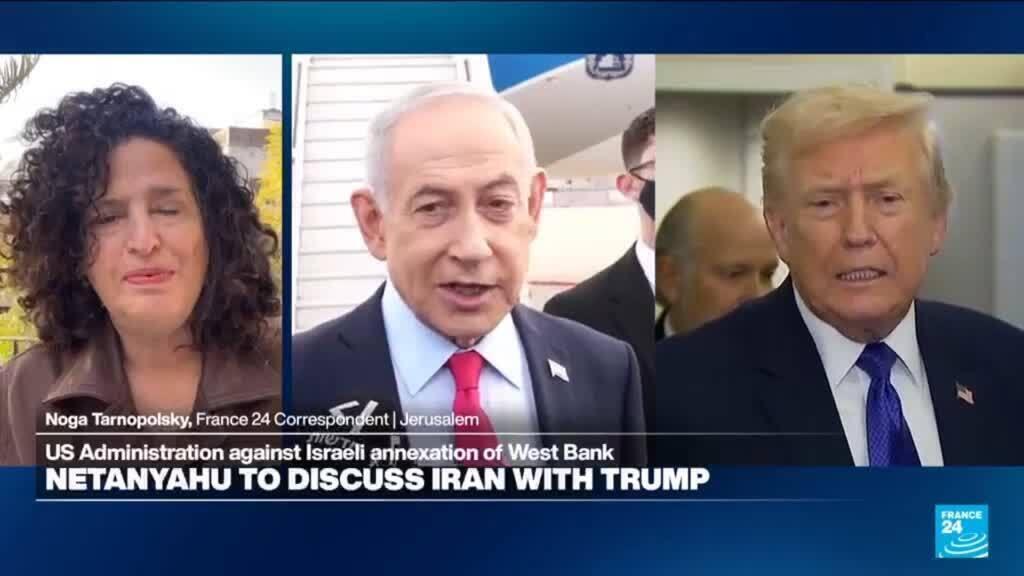
Israeli Prime Minister Benjamin Netanyahu met with U.S. President Donald Trump in Washington on February 11, 2026, to advocate for a more stringent approach in ongoing nuclear discussions with Iran. Netanyahu's visit aimed to exert influence on the U.S. position in these critical negotiations. During his visit, Netanyahu also met with Steve Witkoff and Jared Kushner to discuss regional issues and receive updates on US-Iran negotiations held in Oman.
Trump stated that any agreement with Iran must prevent the nation from developing nuclear weapons and include its missile program. In response, Iran warned against Israel's influence on the nuclear talks, asserting it would not succumb to excessive demands. Adding to the tensions, Trump is reportedly considering deploying a second aircraft carrier to the Middle East as a means to pressure Iran into reaching a nuclear agreement.
Market Data Snapshot
Primary Asset: Bitcoin (BTC)
- Current Price: $67,985
- 24h Price Change: -1.76%
- 7d Price Change: -9.06%
- Market Cap: $1.36 Trillion
- Volume Signal: Normal
- Market Sentiment: Bearish
- Fear & Greed Index: 11 (Extreme Fear)
- On-Chain Signal: Neutral
- Macro Signal: Fearful Market
Extreme Fear is present in the market, which is historically a buying opportunity. High BTC dominance suggests altcoins may underperform.
Market Health Indicators
Technical Signals
- Support Level: $65,000 - Strong
- Resistance Level: $70,000 - Weak
- RSI (14d): 30 - Oversold
- Moving Average: Below key MA levels
On-Chain Health
- Network Activity: Normal
- Whale Activity: Neutral
- Exchange Flows: Balanced
- HODLer Behavior: Mixed
Macro Environment
- DXY Impact: Positive
- Bond Yields: Headwind
- Risk Appetite: Risk-Off
- Institutional Flow: Sideways
Why This Matters
For Traders
Traders should prepare for increased volatility and potential downward pressure on risk assets like altcoins. Monitoring safe-haven asset performance (e.g., gold, USD) could provide insight into market sentiment.
For Investors
Long-term investors should consider the potential for geopolitical instability to create buying opportunities during market dips. However, diversification and risk management remain crucial in such an environment.
What Most Media Missed
The Oman talks, attended by Witkoff and Kushner, suggest a backchannel is actively being used. Most media will focus on the Trump-Netanyahu meeting as the primary driver, missing the significance of this parallel diplomacy, which could be a crucial pressure release valve or a source of unexpected breakthroughs, influencing the actual terms of any eventual nuclear deal. The mention of a potential second US aircraft carrier deployment will be treated as generic saber-rattling. Few will analyze the specific implications for maritime insurance rates in the Persian Gulf and the knock-on effects on oil tanker traffic and, potentially, energy prices. Increased insurance costs and potential disruptions to oil supply chains could trigger inflationary pressures, impacting central bank policies and, indirectly, risk asset valuations, including crypto. Most media will overlook the role of Iranian domestic politics. The reference to Esmail Baghaei, Ali Larijani, Ayatollah Ali Khamenei, and Masoud Pezeshkian suggests internal factions are vying for influence on Iran's negotiating position. This internal power struggle will likely affect Iran's willingness to compromise.
What Happens Next
Short-Term Outlook
An initial risk-off reaction is likely, with a slight dip in crypto prices followed by stabilization if no further escalations occur. A bull case scenario would involve de-escalation of tensions, leading to a relief rally and a potential breakout above $70,000 for BTC. Conversely, an escalation of tensions could trigger a flight to safety and a potential drop below $65,000 for BTC.
Long-Term Scenarios
Continued geopolitical tensions will likely create a choppy market environment, with periods of volatility interspersed with periods of consolidation. A best-case scenario involves a successful diplomatic resolution of the Iran nuclear issue, leading to reduced geopolitical risk and a broader market rally. A worst-case scenario would be a military conflict in the Middle East, triggering a global recession and a significant downturn in crypto markets.
Historical Parallel
In September 2017, China banned ICOs and crypto exchanges, with the People's Bank of China (PBOC) announcing a ban on Initial Coin Offerings (ICOs), deeming them illegal fundraising activities. Shortly after, China moved to ban cryptocurrency exchanges, sending shockwaves through the market. Geopolitical events and regulatory pressures can significantly impact crypto markets, causing price volatility and shifts in market structure. Diversification and awareness of global political developments are crucial. If Netanyahu's advocacy leads to stricter US policies towards Iran's access to crypto or increased regulatory scrutiny, we should expect a short-term negative price reaction, followed by a period of adaptation and potential shift in market activity to other regions.