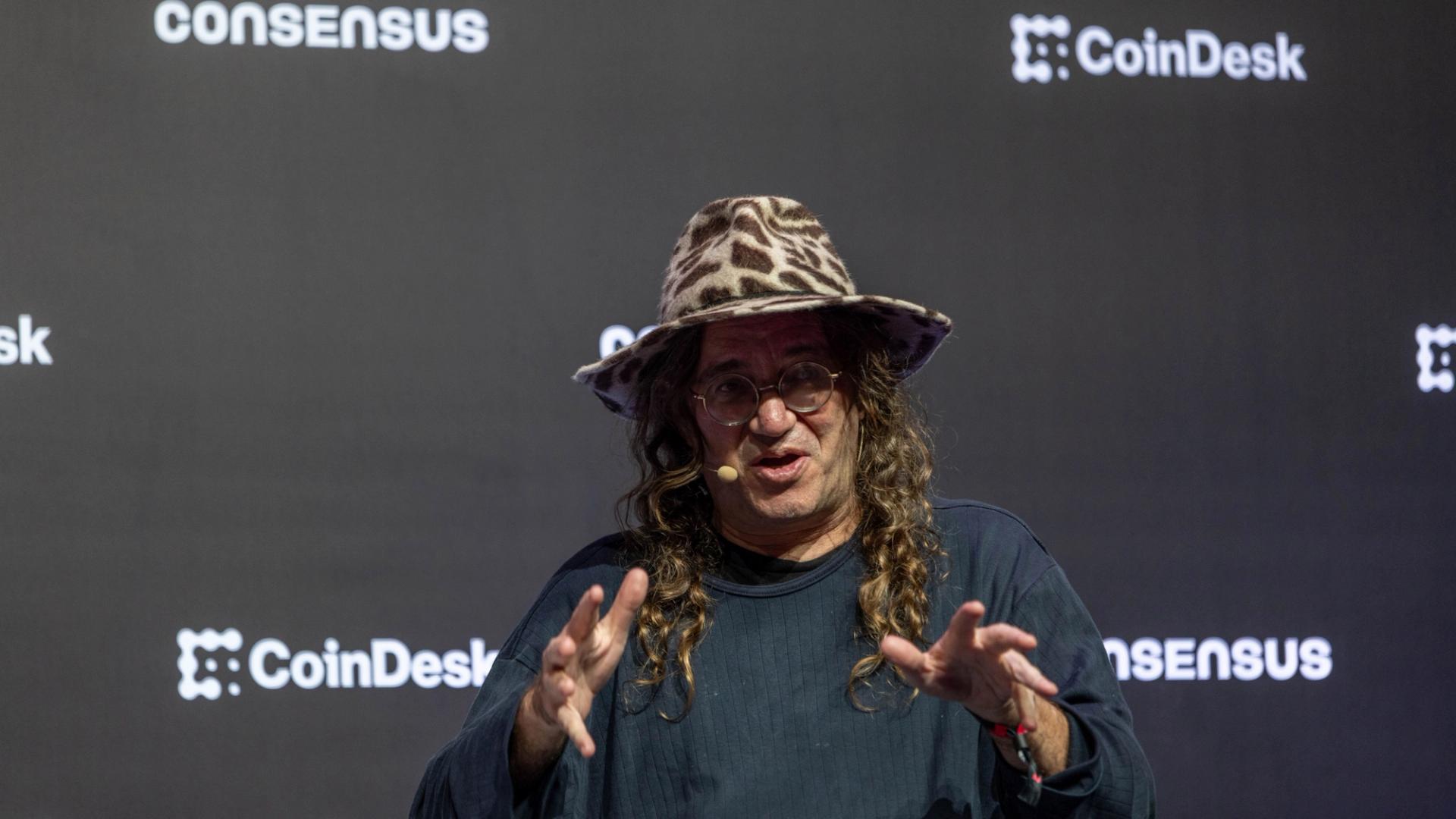
Artificial intelligence (AI) is rapidly evolving, and some experts are predicting it could surpass human intelligence as early as 2027. Futurist and AI researcher Ben Goertzel is among those who foresee an imminent "intelligence explosion," driven by AI's capacity for self-improvement. This raises critical questions about the future of work, global security, and what it means to be human. Is the world prepared for an era where machines not only perform tasks but also think and create at a superhuman level?
The Timeline for Artificial General Intelligence (AGI)
Goertzel estimates that we could achieve human-level Artificial General Intelligence (AGI) within the next 3 to 8 years. Once AGI reaches human parity, he believes, the leap to radically superhuman AGI could happen in a matter of years. This acceleration is fueled by AI's ability to learn and improve itself at an exponential rate. But how do other experts weigh in on this timeline?
Shane Legg, co-founder of Google DeepMind, projects a 50% chance of AGI arriving by 2028. Dario Amodei, CEO of Anthropic, anticipates 'human-level' AI even sooner, within 2-3 years, placing it between 2027 and 2028. Sam Altman, CEO of OpenAI, offers a slightly more conservative estimate, suggesting AGI could be reached in the next 4-5 years, around 2029-2030. While the exact timing remains uncertain, the consensus among leading AI researchers is that we are on the cusp of a significant breakthrough.
AI's Accelerating Self-Improvement
One of the key drivers of this rapid progress is AI's increasing ability to train itself. AI models are learning to train themselves, leading to a gradual kind of 'self-improvement'. This self-improvement loop is already accelerating the development process. In fact, AI is already being used to accelerate its own improvement. Some predict that by the end of 2026, AI agents will accomplish in a few days what the best software engineering contractors could do in two weeks. This level of efficiency could revolutionize industries and reshape the global economy.
Coding and the Future of Software Development
The impact of AI on software development is particularly noteworthy. Experts predict that AI may be writing 90% of the code in 3-6 months and essentially all of the code in 12 months. Imagine a world where AI handles the vast majority of coding tasks, freeing up human developers to focus on higher-level strategic initiatives and creative problem-solving. What does this mean for the future of software engineers? Will they become more like AI supervisors, guiding and refining the output of these intelligent coding machines?
The Dark Side: AI and Global Security
However, the rapid advancement of AI also presents significant risks. One of the most alarming concerns is the potential for AI to destabilize global security. Goertzel warns that AI risks overturning nuclear deterrence and triggering nuclear war. As AI systems become more sophisticated, they could potentially be used to launch autonomous cyberattacks, manipulate information, or even control weapons systems. The ethical implications of these developments are profound, and it is crucial that we develop robust safeguards to prevent AI from being used for malicious purposes.
From High School to Ph.D.: AI's Astonishing Progress
The pace of AI development is truly remarkable. Consider this: in 2020, AI performed at a high school level across domains like mathematics, biology, and coding. Today, it performs at a Ph.D. level. This demonstrates the exponential growth in AI capabilities over a relatively short period. As AI continues to learn and evolve, it is likely to surpass human intelligence in many areas, potentially leading to unprecedented advancements in science, technology, and medicine. However, we must also be mindful of the potential risks and ensure that AI is developed and used responsibly.
Conclusion: Navigating the Age of Artificial Superintelligence
The convergence of expert opinions and the undeniable progress in AI development suggest that we are rapidly approaching an era of Artificial General Intelligence and potentially artificial superintelligence. While the exact timeline remains uncertain, the next few years will be critical in shaping the future of AI and its impact on society. It is imperative that we engage in thoughtful discussions about the ethical, social, and economic implications of AI, and that we develop policies and regulations that promote responsible innovation and mitigate potential risks. Will humanity harness the power of AI for the betterment of all, or will we succumb to its potential dangers? The answer depends on the choices we make today. As AI continues to rapidly evolve, understanding the potential for an intelligence explosion becomes ever more critical.