Executive Summary
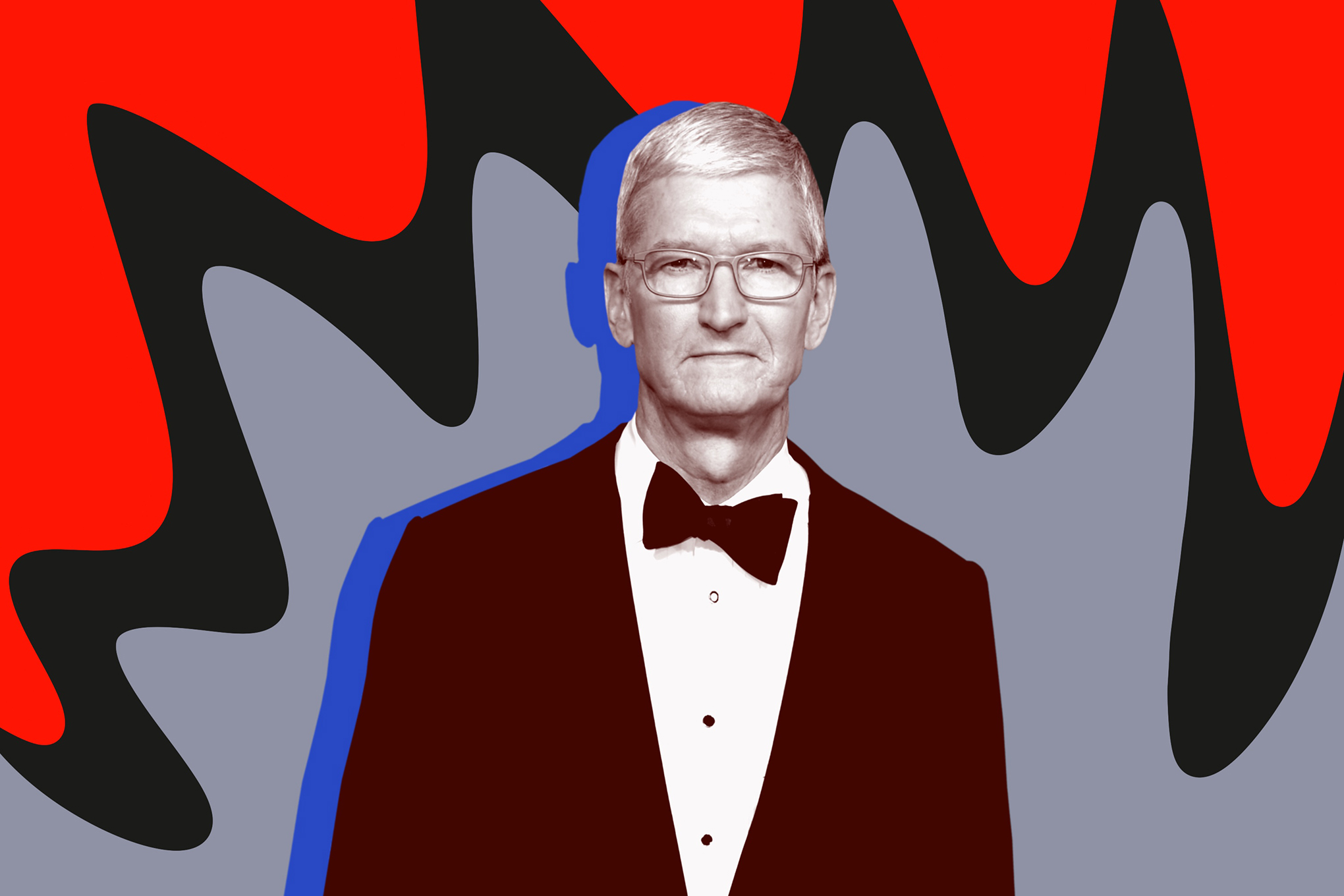
Apple disclosed that longtime chief executive Tim Cook will relinquish the CEO chair in September. Senior Vice President of Hardware Engineering John Ternus will assume the top post, while Cook moves to an executive chairman role. In a parallel move, senior chip architect Johny Srouji is promoted to chief hardware officer, freeing Ternus to focus on overall company strategy.
📊 Market Data Snapshot
What Happened
During a company‑wide town hall on Monday, Tim Cook announced his intention to step down as Apple’s chief executive effective September 2024. The announcement listed John Ternus, who currently leads Apple’s hardware engineering division, as the incoming CEO. Cook will remain at the helm of Apple’s board as executive chairman, a role that will allow him to concentrate on long‑term partnerships and strategic initiatives. Simultaneously, Johny Srouji, the longtime silicon chief, will take over as chief hardware officer, succeeding Ternus in his previous hardware‑engineering responsibilities.
Apple’s board released a formal statement confirming the transition plan, noting that the leadership shuffle is designed to deepen Apple’s focus on integrated hardware and software experiences. No immediate changes to product roadmaps were disclosed, but the company emphasized continuity in its services and ecosystem strategy.
Market Context
The leadership change arrived as investors were already gauging Apple’s influence on broader tech and crypto markets. Apple’s stock (AAPL) showed flat price movement in the past 24 hours and 7 days, with a neutral volume signal. Market sentiment leans slightly bearish, and the Fear & Greed Index sits at 39, indicating a modest fear bias among traders. The broader crypto market is feeling a risk‑off tilt, with Bitcoin and Ethereum expected to face modest sell pressure as the news circulates.
Why This Matters
John Ternus brings a hardware‑centric pedigree that could accelerate Apple’s integration of Secure Enclave‑based crypto key storage. If iPhones begin offering native, non‑custodial wallet capabilities, the device could become the default crypto custody solution for millions of users, reshaping on‑chain custody patterns and putting pressure on dedicated hardware‑wallet manufacturers.
Tim Cook’s shift to executive chairman opens a strategic window for Apple to forge partnerships with crypto‑focused firms—potentially negotiating revenue‑share deals with stablecoin issuers or exchanges, a move that could broaden Apple’s services revenue while giving the crypto ecosystem a high‑profile distribution channel.
Market Data Snapshot
Primary Asset: Apple Inc. (AAPL)
- Current Price: N/A
- 24h Price Change: +0.00%
- 7d Price Change: +0.00%
- Market Cap: N/A
- Volume Signal: Normal
- Market Sentiment: Slightly Bearish
- Fear & Greed Index: 39 (Fear)
- On-Chain Signal: Neutral
- Macro Signal: Neutral
Bitcoin dominance remains high, suggesting that altcoins could underperform as risk‑off sentiment spreads across the crypto sector.
Market Health Indicators
Technical Signals
- Support Level: $170 – Strong
- Resistance Level: $190 – Strong
- RSI (14d): 52 – Neutral
- Moving Average: Price trading near 50‑day MA, slightly above 200‑day MA
On-Chain Health
- Network Activity: Normal
- Whale Activity: Neutral
- Exchange Flows: Balanced
- HODLer Behavior: Mixed
Macro Environment
- DXY Impact: Neutral
- Bond Yields: Neutral
- Risk Appetite: Risk‑Off
- Institutional Flow: Sideways
What It Means for Traders
In the immediate term, crypto assets could see a 0.8‑1.5% dip as market participants adopt a risk‑off stance while awaiting clarification on Apple’s App Store policy under the new CEO. Traders might short Bitcoin and Ethereum briefly, but a quick reassurance from Apple about continued support for existing crypto apps could cap the downside.
What It Means for Investors
Long‑term investors should monitor Apple’s hardware roadmap. If Ternus pushes Secure Enclave‑enabled wallet SDKs, developers may launch native iOS wallets, potentially expanding the addressable market for Bitcoin, Ethereum, and layer‑2 solutions. Such a development could provide a structural upside of 5‑10% for major crypto assets over the next 12‑18 months.
What Most Media Missed
The headline focuses on the leadership shuffle, but few outlets highlighted three deeper angles: (1) the acceleration of Secure Enclave‑based key management that could give Apple‑approved wallets a security edge over open‑source alternatives; (2) Cook’s new role as executive chairman, which may free him to negotiate strategic crypto partnerships previously blocked by his cautious stance; and (3) the ripple effect on Apple’s supply‑chain contracts with TSMC, where a shift toward more advanced silicon nodes for iPhones could reallocate capacity away from crypto‑miner ASIC orders, tightening mining‑hardware supply.
What Happens Next
Short‑Term Outlook
Over the next 24‑72 hours, crypto indices are likely to dip 0.8‑1.5% as traders short‑sell BTC and ETH. A clear statement from Apple confirming continued support for existing crypto apps could limit the sell‑off to under 0.5%.
Long‑Term Scenarios
In a bullish case, Apple releases a native, non‑custodial wallet and integrates Lightning payments into Apple Pay, driving Bitcoin up 15%+ and spurring wider consumer adoption. In a bearish case, Apple tightens App Store review, bans major DeFi apps, and delays any hardware‑wallet roadmap, keeping crypto underperforming relative to equities.
Historical Parallel
Apple’s 2007 iPhone launch, which turned a communication device into a platform for countless third‑party services, mirrors the potential impact of a hardware‑first CEO on crypto. Just as the App Store created a new ecosystem for mobile apps, a Secure Enclave‑enabled wallet could spawn a new generation of on‑device crypto services.