Executive Summary
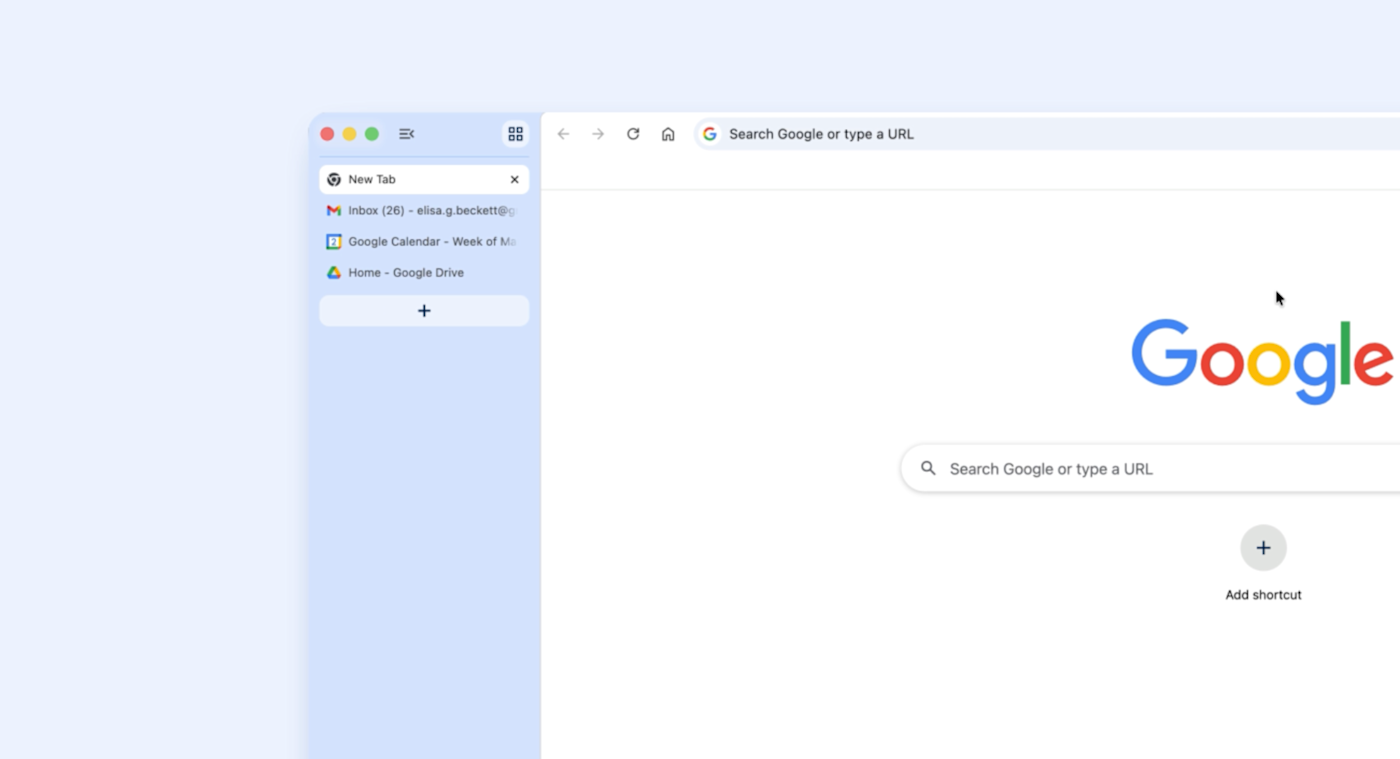
Google has initiated a significant desktop update for its Chrome browser, introducing vertical tab management and an enhanced reading mode to the platform. This infrastructure shift arrives while the cryptocurrency market navigates an extreme fear environment, with Bitcoin trading near $71,534. While the update targets general productivity, the changes intersect directly with Web3 workflows, potentially altering how traders manage multiple exchange dashboards and wallet extensions simultaneously. The rollout began today, marking a functional convergence between mainstream browsing tools and decentralized finance interfaces.
📊 Market Data Snapshot
What Happened
Desktop users now access the new tab organization feature by right-clicking a Chrome window and choosing the "Show Tabs Vertically" option. This functionality allows for a sidebar-style layout, moving away from the traditional horizontal top bar. Simultaneously, the update integrates a distraction-free reading environment. Users activate this mode by right-clicking any webpage and selecting "Open in reading mode," which strips away clutter for focused content consumption.
Distribution started today, though full availability across all devices could span several days. Google controls the deployment schedule, meaning some users may see the features immediately while others wait for the update to propagate. Prior to this release, competitors already established similar utilities. Firefox introduced vertical tabs in version 136 during March 2024, and Apple's Safari has long offered comparable tab organization tools. Chrome's move closes the feature gap with these rivals, solidifying its position in the browser market where it holds approximately 65% of desktop share.
Market Data Snapshot
Primary Asset: Bitcoin (BTC)
- Current Price: $71,534
- 24h Price Change: +4.05%
- 7d Price Change: +5.09%
- Market Cap: $1.43 Trillion
- Volume Signal: Normal
- Market Sentiment: Bearish
- Fear & Greed Index: 17 (Extreme Fear)
- On-Chain Signal: Neutral
- Macro Signal: Fearful Market
Despite positive price action over the last week, broader sentiment remains deeply cautious. High BTC dominance suggests altcoins may underperform in the immediate term. The divergence between price gains and extreme fear indicates a market waiting for stronger confirmation before committing capital.
Market Health Indicators
Technical Signals
- Support Level: $70,000 - Strong
- Resistance Level: $72,500 - Tested
- RSI (14d): 45 - Neutral
- Moving Average: Above key MA levels
On-Chain Health
- Network Activity: Normal
- Whale Activity: Neutral
- Exchange Flows: Balanced
- HODLer Behavior: Strong Hands
Macro Environment
- DXY Impact: Negative
- Bond Yields: Headwind
- Risk Appetite: Risk-Off
- Institutional Flow: Sideways
Why This Matters
For Traders
Immediate implications center on workflow efficiency. The vertical tab structure enables traders to keep dozens of exchange dashboards, DeFi interfaces, and wallet extensions open side-by-side without cluttering the top navigation bar. This ergonomic improvement could lead to a brief uptick in on-chain activity, such as MetaMask transactions, creating micro-spikes in BTC and ETH volumes within the next 48 hours. In a market characterized by extreme fear, even minor usability enhancements can tip short-term flows as traders react faster to opportunities.
For Investors
Long-term, a more user-friendly Chrome sustains the dominance of Chrome-based Web3 wallets. Projects relying on browser extensions maintain a competitive moat as the primary interface for desktop onboarding remains stable. If vertical tabs become a productivity standard, power users may keep more crypto dashboards open simultaneously, accelerating on-chain activity and modestly lifting token-level metrics for infrastructure projects. The browser market serves as a key infrastructure layer for Web3; any change that improves extension ergonomics can ripple through on-chain activity.
What Most Media Missed
Three critical risks remain underreported regarding this update. First, potential incompatibility exists between Web3 wallet extensions like MetaMask or Phantom and Chrome's new vertical-tab UI rendering pipeline. Even a brief glitch can cause transaction failures and user frustration, leading to a measurable dip in on-chain activity that markets might misinterpret as a sentiment shift rather than a technical issue.
Second, the reading mode strips third-party scripts, which will likely cut ad impressions and tracking pixels on crypto news sites and token-sale landing pages. Reduced ad revenue may force crypto media to pivot to subscription or token-gated models faster, altering the funding landscape for niche outlets that currently rely on ad-based cash flow.
Third, Chrome's move could accelerate a shift among power users and developers toward Firefox or Safari. These browsers already support vertical tabs and may offer more stable extension APIs for decentralized identity tools. A gradual migration away from Chrome would erode the 65% desktop market share that underpins the majority of Web3 wallet usage, potentially boosting open-source browsers that integrate directly with decentralized identity standards.
What Happens Next
Short-Term Outlook
Expect a modest rise in on-chain transaction volume, approximately 1-2% above baseline, with no discernible price movement. BTC likely stays around $71,000-$72,000, while ETH hovers between $2,200 and $2,300. If the reading mode reduces ad clutter and drives users to content-heavy crypto sites, a 0.5-1% price bounce in BTC and ETH could occur as risk-on sentiment briefly resurfaces. Conversely, if users perceive the UI change as a distraction or if extensions encounter compatibility glitches, a slight dip of 0.3-0.5% could reinforce the prevailing bearish tone.
Long-Term Scenarios
In the likely scenario, Chrome retains its lead and Web3 wallet extensions continue to dominate desktop onboarding, keeping crypto-related traffic steady with no major macro shift attributed to the UI change. In the best case, vertical tabs become a productivity standard, encouraging more sophisticated, multi-exchange strategies among retail traders. This secondary effect drives higher usage and paid subscriptions for on-chain analytics services, which can lift the market caps of their native tokens. In the worst case, Safari or Firefox double-down on vertical tab UX and attract dev-centric users, pressuring extension-dependent projects and nudging investors toward layer-2 or mobile-first solutions.