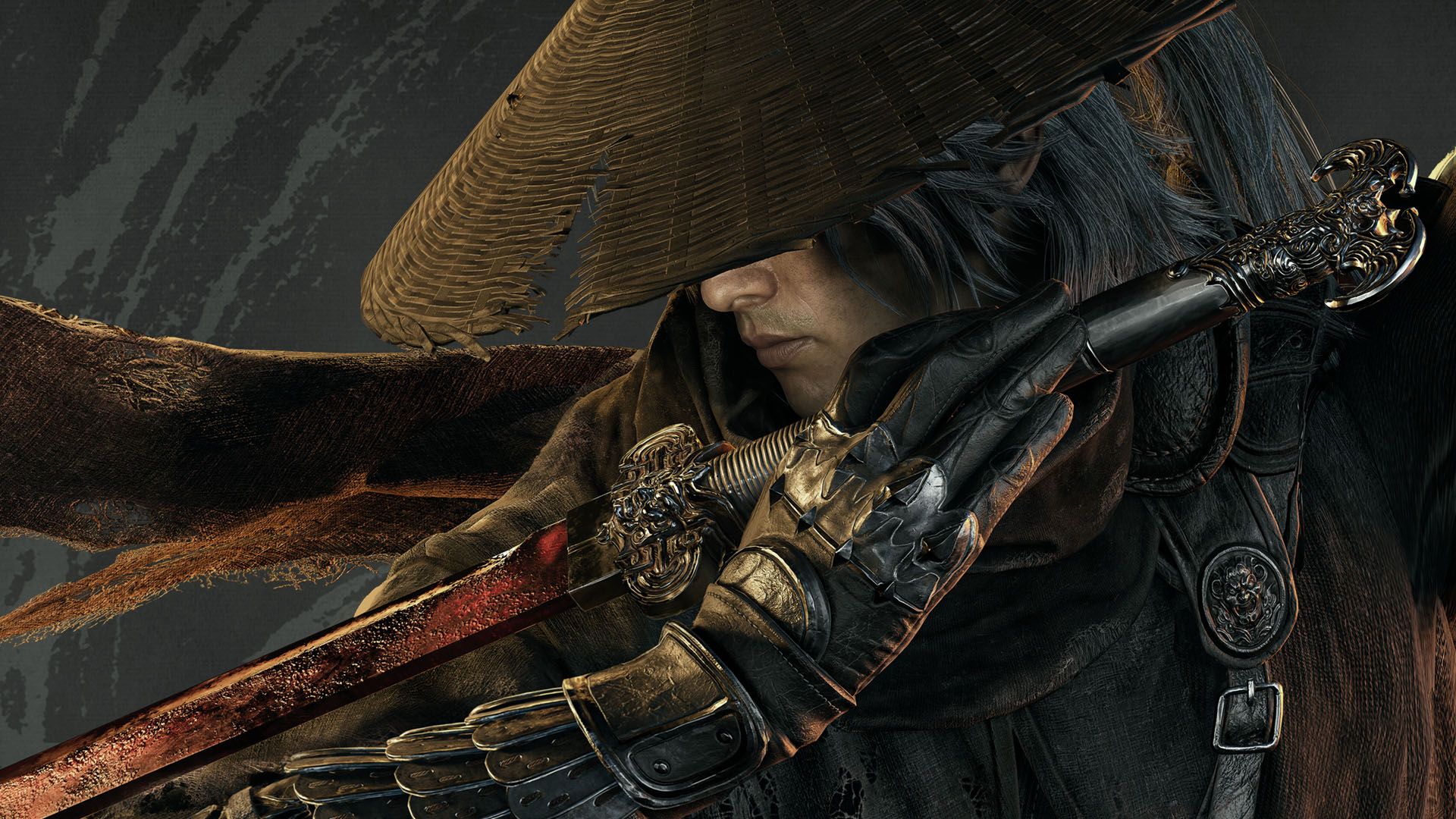
A review of Phantom Blade Zero — a single-player action game from a studio with a mobile-game pedigree — landed this week after the reviewer put in 50 hours. The combat runs on parry and dodge mechanics, dozens of weapons with unique movesets, and a posture meter you refill by swapping weapons. That's the kind of mechanical depth console players expect from a full-price title. It's also the kind of thing most tokenized games still can't fake.
There's no blockchain angle here. No token, no NFT marketplace, no studio announcement of Web3 ambitions in the facts. But the review is a useful benchmark for anyone holding gaming tokens, because it shows a mobile-native team clearing a bar that Web3 gaming has spent years promising to clear.
What the 50-hour playthrough actually proves
The protagonist is named Soul, and he has 66 days left alive to exact revenge. The reviewer logged grappling hooks, bows, trinkets, and a skill tree — standard action-game furniture, but all of it functional and tuned. Performance issues crop up occasionally, and the story timeline hops between present day, several years ago, several months ago, and several days ago. The reviewer calls it convoluted. Fair.
📊 Market Data Snapshot
The bigger signal is the studio's background. Mobile developers have a reputation for short-session, monetization-first design. This one shipped a 50-hour campaign with a hard in-game deadline. That's a retention structure crypto gaming analysts talk about constantly and rarely see executed.
Why crypto gaming tokens should worry
The standard institutional knock on Web3 gaming is that the teams are opportunistic and the gameplay is thin. A mobile studio delivering a console-quality action title without a token attached doesn't refute that argument — it sharpens it. If traditional studios can compete on depth without token gimmicks, the speculative premium on gameplay-light gaming tokens has less room to justify itself.
That's a slow drain, not a crash. Liquidity leaves sectors like this over quarters, not days, as allocators quietly reclassify 'gaming' from growth bet to tourist trade. The real risk for gaming-token holders over the next year or two isn't regulation. It's irrelevance.
The market data doesn't match the story
Bitcoin is at $79,955, down 0.96% on the day and 2.03% on the week, with volume running low and Fear & Greed sitting at 50. High BTC dominance is the one signal worth noting: it tends to cap altcoin upside, and gaming tokens sit firmly in that bucket.
But the total market cap figure floating around — down more than 4% while BTC and ETH are both down roughly 1% — implies a brutal altcoin drawdown that doesn't square with a 'neutral' sentiment reading. If those numbers are accurate, the pain is concentrated outside the majors. If they're not, treat any market-context narrative built on them as contaminated. Either way, none of it has anything to do with a game review.
What to watch instead
The concrete question is whether Phantom Blade Zero's studio ever announces a token, an NFT integration, or a live-service pivot. Mobile studios have a habit of drifting toward monetization models after a premium release, and if that happens, this 50-hour review becomes the baseline for community sentiment and due diligence. No such announcement exists in the facts. But it's the only path by which this story becomes a crypto story at all.
Until then, gaming-token holders should be watching retention benchmarks from traditional releases like this one, not waiting for a headline catalyst. The quality gap is widening whether or not anyone in crypto media writes it down.