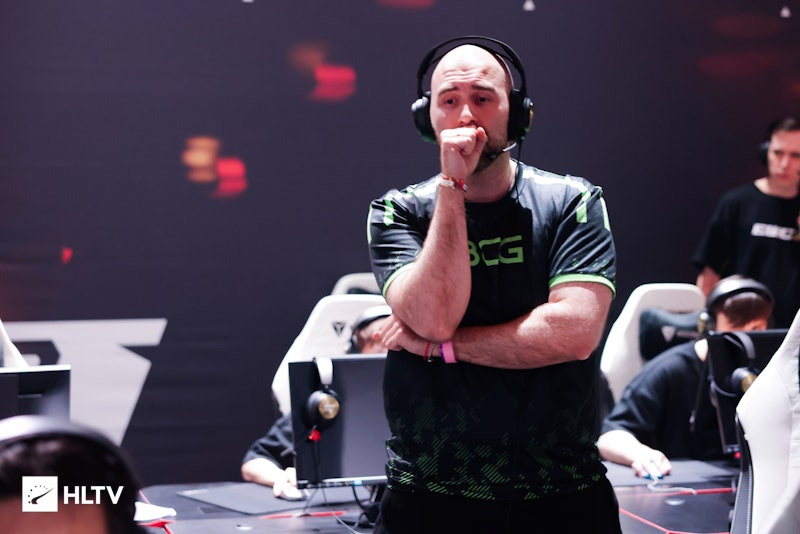
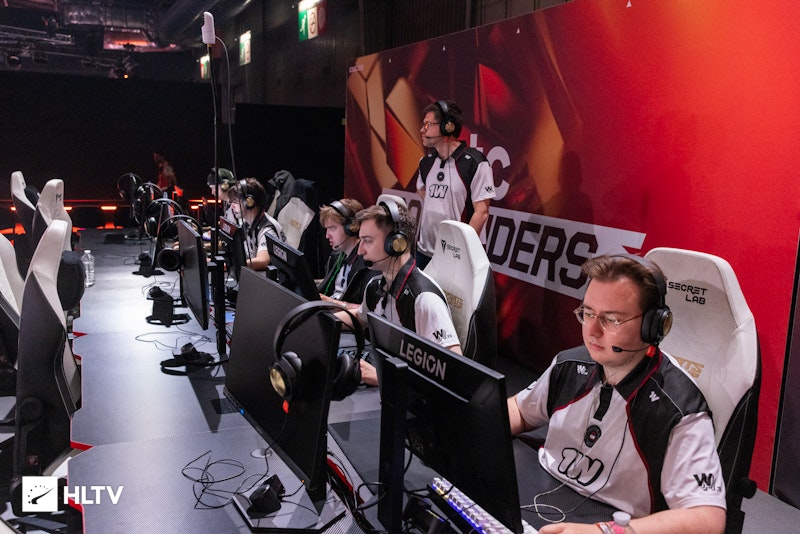
1win eliminated Liquid in the playoff round this week, a result that reshapes the bracket and sets up a next-round clash between 100 Thieves and BC.Game. For most esports fans, it's a straightforward tournament update. But the two advancing brands — 1win and BC.Game — are crypto-linked betting platforms, and their visibility in a major competitive gaming event is the real story underneath the scorelines.
Two crypto bookmakers, one bracket
1win, a betting site that accepts crypto alongside fiat, took down Liquid in a decisive playoff match. That win pushes 1win forward in the tournament, while Liquid packs up. The next scheduled match pits 100 Thieves against BC.Game, another crypto-native gambling operator. Both 1win and BC.Game have built their user acquisition strategy around esports sponsorships, and this tournament is a prime example.
📊 Market Data Snapshot
The immediate result has zero direct impact on digital asset prices — no token is pegged to a playoff win. But the placement of these two brands in a high-visibility bracket is a low-cost, high-reach marketing play. They're not just buying logo space; they're betting on the demographic that esports delivers: young, digitally native, and increasingly comfortable with crypto payments.
What this means for the betting-to-crypto pipeline
When a fan on 1win or BC.Game places a bet, the deposit often flows through crypto rails — stablecoins, BTC, or other tokens. That's a direct channel from esports fandom to exchange liquidity. The more these platforms scale their sponsorship spend, the more they funnel new users into crypto wallets. It's not a market-moving event by itself, but it's a structural shift in how esports teams get funded and how betting volumes reach exchanges.
BC.Game has its own native token, BCG, which trades with thin liquidity on a handful of exchanges. A spike in attention around the tournament could stir speculative volume in BCG, though the token's fragility is worth noting. 1win, by contrast, doesn't have a token — so it can't capture any direct price appreciation from its esports push, but it might be incentivized to launch one down the line. That would be a larger event.
The regulatory elephant in the arena
Mainstream esports visibility also draws regulatory attention. Crypto casinos are already under scrutiny in the UK, US, and Australia, and a marquee tournament spot normalizes their presence in a global arena. A crackdown on crypto betting in any of those key markets could disrupt how 1win and BC.Game operate — affecting their ability to process payments and, by extension, any crypto assets they hold or accept.
For now, the bracket moves on. 100 Thieves and BC.Game meet in the next round, and 1win continues its run. Traders watching BCG might see a volume blip around match day, but the broader crypto market is more likely to move on macro data and ETF flows than on a playoff result. The real signal here is quieter: crypto gambling brands are spending aggressively to become the default financial layer of competitive gaming, and that trend isn't slowing down.