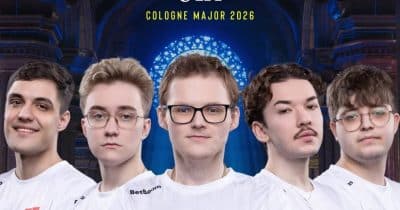
B8 Esports punched its ticket to stage 3 of the IEM Cologne Major this week, a run that's drawing attention beyond the usual esports crowd. The team's performance underscores a quieter shift playing out behind the scenes: the growing integration of blockchain technology into competitive gaming infrastructure and how it may eventually change the way fans interact with tournaments and players.
B8's run at IEM Cologne
The Ukrainian organization, known for its Counter-Strike roster, advanced through the early rounds of one of the year's biggest LAN events. IEM Cologne has long been a proving ground for top-tier teams, and stage 3 — the playoff bracket — is where the prize pool gets serious and viewership peaks. B8's progress this week isn't just a sporting achievement; it's a signal to tournament organizers and sponsors that teams associated with blockchain initiatives can hold their own on the main stage.
How blockchain fits into the picture
The milestone highlights the increasing crossover between esports and blockchain technology. Over the past few years, several esports organizations have experimented with tokenized fan tokens, NFT-based merchandise, and blockchain-backed ticketing. The idea is to give fans a direct stake in a team's success — say, via governance tokens that let them vote on roster moves or exclusive digital collectibles that unlock real-world perks. B8 itself has been active in this space, and its deep run at Cologne offers a real-world test of whether blockchain integration can coexist with competitive performance without becoming a distraction.
Fan engagement and market dynamics
If blockchain-based fan platforms gain traction, the economics of esports could shift. Right now, most revenue flows from sponsorships, media rights, and merchandise — all controlled by central entities. A tokenized model would let teams, players, and fans participate in value creation more directly. That sounds good on paper, but the esports world has seen plenty of hype cycles fizzle out. B8's showing doesn't prove the model works at scale, but it does put a concrete example in front of the industry: a blockchain-friendly team making a deep tournament run without any apparent conflict with its on-stage focus.
Stage 3 of IEM Cologne begins later this week. B8 will face tougher competition, and how far it goes will determine how much attention this crossover narrative receives. For blockchain projects looking for mainstream esports credibility, a strong finish by B8 would be a much more powerful advertisement than any press release. The real question — whether tokenized fan engagement actually drives long-term loyalty or just short-term speculation — won't be answered by one tournament. But the conversation is no longer theoretical; it's happening in the server room at Cologne.