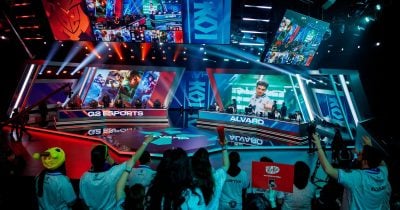
The Esports World Cup has published seeding brackets for its League of Legends tournament, set to take place in Paris later this year. The move to the French capital marks a geographic shift from previous editions and could reshape the event's economic footprint and sponsor relationships.
Seeding details for Paris event
Organizers released the bracket structure without disclosing specific team placements or matchups. The seeding determines how teams are sorted into groups or knockout rounds, influencing early-stage competition difficulty and potential paths to the finals. For participating organizations, a favorable seed can mean easier quarterfinal runs and more broadcast exposure.
The Paris tournament is part of a broader Esports World Cup circuit that spans multiple games. League of Legends remains one of the flagship titles, drawing large live audiences and significant brand investment. The seeding announcement gives teams roughly two months to prepare strategies and scrim schedules tailored to their likely opponents.
Economic shift for the Esports World Cup
Relocating the event from its previous host city to Paris changes the local economic calculus. Venue costs, hotel rates, and travel expenses for players and staff fluctuate by market. Paris, as a major European hub, may command higher operational costs but also offers access to a dense population of potential attendees and tourism infrastructure.
Local governments and tourism boards often compete to host such events, offering subsidies or tax incentives. The Esports World Cup's decision to move suggests a reassessment of those factors. Lower operating costs in one city can boost profit margins for organizers and prize pools, while a pricier location may demand stronger ticket sales and sponsorship revenue to break even.
What the Paris move means for sponsors and investors
Sponsorship dynamics are at the heart of the relocation's potential impact. Brands that signed multi-year deals based on the previous host city may need to renegotiate terms. A Paris event could attract different sponsors — luxury goods, automotive, or tourism-related companies with a European focus — rather than the tech and energy drink sponsors common at other esports gatherings.
Investors watching the Esports World Cup as a barometer for the industry's health will note the shift. A successful Paris edition could signal that the event's model is flexible enough to thrive across continents. A stumble — low attendance, logistical hiccups, or sponsor pullouts — might cool enthusiasm for future expansion into other global cities.
The seeding announcement is the first concrete step in executing the Paris plan. How teams adapt to the bracket, and how the local market responds, will set the tone for whether the Esports World Cup becomes a truly global tour or remains tethered to its original home market.