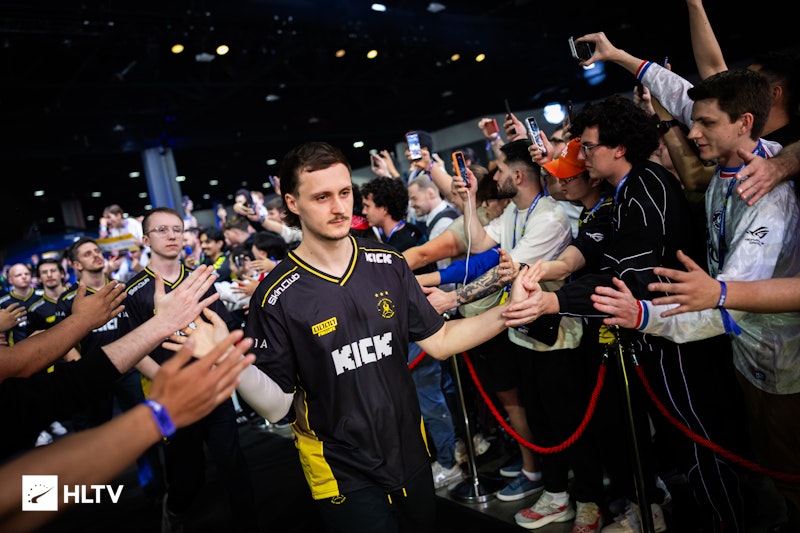
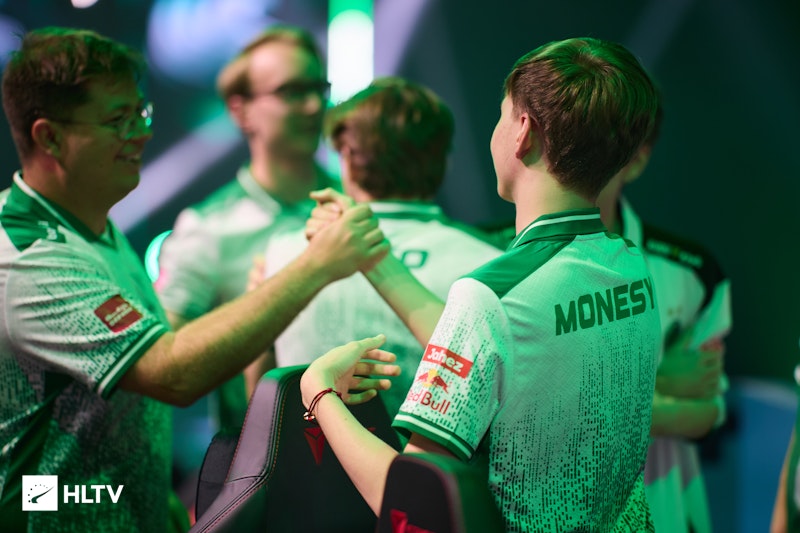
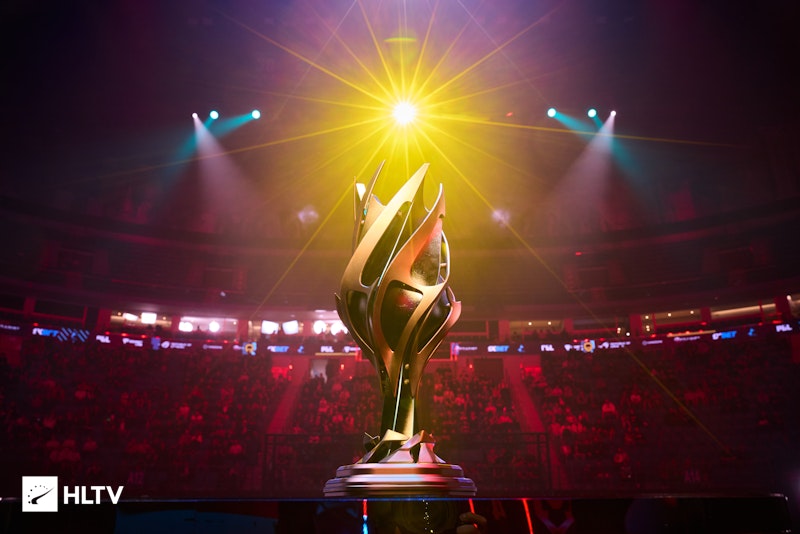
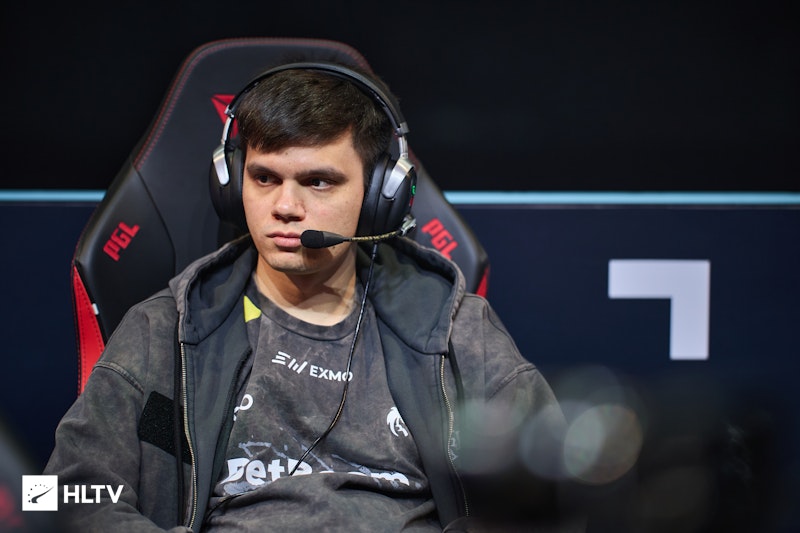
GamerLegion punched its ticket to the IEM Atlanta grand final on Saturday by taking down Legacy in a three-map series. The win marks the organization's best tournament placement since the Paris Major — a milestone that, notably, came at a Counter-Strike event with no crypto sponsors, no NFT tie-ins, and no blockchain layer anywhere in sight.
The 7-0 second half
The decider came on the third map. GamerLegion flipped a tight first half into a flawless 7-0 run after the side switch, shutting out Legacy completely. That kind of clean close-out doesn't happen often at this level, and it's the kind of moment tournament organizers love to replay.
📊 Market Data Snapshot
But if you watched the broadcast, you wouldn't have seen a single crypto logo on the stage, on the jerseys, or in the ad breaks. IEM Atlanta is a mid-tier Counter-Strike event — peak viewership likely under 200,000 — and GamerLegion is a small organization with no known blockchain partnerships.
Best placement since the Paris Major
The last time GamerLegion made a deep run was the Paris Major in 2023, the final CS:GO Major before the switch to Counter-Strike 2. The transition to the new engine hit team valuations hard, especially for orgs that had sunk money into CS:GO-specific fan tokens or player NFTs. This weekend's result suggests the team has adapted, but the recovery is happening entirely outside the crypto ecosystem.
For investors tracking gaming tokens like GALA or IMX, the IEM Atlanta grand final is a quiet data point — and not in a good way. Every major esports win that lacks blockchain involvement chips away at the idea that crypto is essential for competitive gaming's future. The hype around tokenized fan engagement and NFT skins has been loud for years, but the actual adoption in tournaments like this one is zero.
Crypto-friendly betting platforms like Stake.com and Thunderpick likely saw increased volume during the match, especially given the odds swing from the 7-0 second half. But that's a side effect, not a feature of the tournament itself. No on-chain data tracks those bets, and the event will fade from memory without moving a single token price.
GamerLegion now waits for its opponent in the grand final. The result will be determined by aim, utility, and teamwork — not by any blockchain integration. That's not a bad thing. It's just a reminder that esports can hit its peak moments without a crypto layer at all.