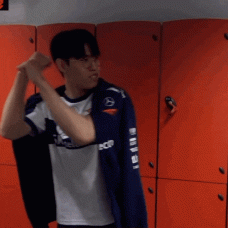
Gen.G defeated T1 at the Esports World Cup 2026 on Tuesday, walking away with $220,000 from a $2 million prize pool. The series, one of the most-watched matches of the tournament so far, also put the spotlight on how cryptocurrency and blockchain tech might fit into competitive gaming — a topic the event’s organizers have been floating for months.
The match and the money
Gen.G’s win over T1 wasn’t just a big moment for the roster — it also meant a $220,000 payday, the largest single payout in the tournament so far. The Esports World Cup’s total prize pool for 2026 sits at $2 million, up from previous years, though the exact breakdown across games hasn’t been fully released. T1’s loss means they miss out on the top prize, but the second-place cut is still a solid six figures — the number hasn’t been disclosed yet.
Where crypto fits in
Around the event, discussions have been circulating about integrating cryptocurrency and blockchain into competitive gaming. The idea isn’t new — several esports organizations have tried token-based fan engagement or in-game economies — but EWC 2026 is the first to explicitly slot it into the conversation. No concrete plans have been announced, but the fact that the organizers are talking about it publicly suggests something could be in the works.
What that might look like: prize payouts in stablecoins, blockchain-verified match results, or even token-gated access to tournament content. None of this is confirmed, and the esports world has been burned before by vaporware blockchain promises. But the timing — with crypto markets relatively stable in mid-2026 and a younger, crypto-native audience — makes the conversation less outlandish than it would have been three years ago.
What’s next
For now, Gen.G gets the trophy and the $220,000. T1 heads home empty-handed. The bigger question — whether the Esports World Cup will actually embed crypto into its operations — remains unanswered. The organizers have said they’ll share more details later this year, possibly at a follow-up event in October. Until then, it’s just talk, but the fact that it’s talk at all is a shift for a tournament that’s been purely traditional in its payout structure until now.