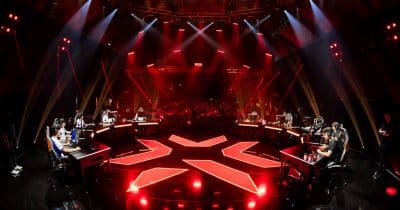
The IEM Cologne Major 2026 is heading back to the LANXESS Arena this summer — but don’t expect any crypto logos on the jerseys. Organizer ESL confirmed this week the tournament will feature zero crypto sponsors, marking a clear departure from the industry’s earlier rush to back esports events. The absence signals a broader recalibration in how competitive gaming teams and event organizers are funding themselves.
From hype to handshake
Just a couple of years ago, crypto exchanges and blockchain projects were plastered across every major esports tournament. FTX had the naming rights to TSM’s arena. Bybit, Crypto.com, and others threw multi-year deals at teams and leagues. Now the money has dried up. IEM Cologne, one of the most prestigious Counter-Strike tournaments, is going with traditional partners — think hardware manufacturers, energy drink brands, and apparel companies.
ESL didn’t name any specific new sponsors in the announcement, but the shift is notable. The event had at least one crypto sponsor as recently as 2024, when a major exchange bought a top-tier slot. That deal quietly expired and wasn’t renewed.
Why esports cooled on crypto
The reasons aren’t complicated. Crypto winter hit the sponsorship market hard, and the collapse of FTX in 2022 made everyone in esports skittish. Organizers and teams realized those flashy sponsorship checks came with regulatory risk and reputational baggage. A lot of those contracts were paid in tokens or equity that later turned worthless.
IEM Cologne isn’t alone. Several other tier-one esports events have quietly dropped crypto partners over the past 18 months. The trend accelerated after the SEC’s 2025 crackdown on unregistered crypto securities, which made exchanges and token projects far more cautious about marketing spend.
What LANXESS Arena means for the event
The LANXESS Arena in Cologne holds about 18,000 fans for esports. IEM has been held there in past years, but the 2026 edition was in doubt after venue negotiations dragged. The confirmation gives teams and fans a concrete date to plan around. The event is expected to take place in late July, though ESL hasn’t locked in the exact days yet.
For the players, the biggest change is the absence of crypto-branded giveaways and on-stage integrations. No more “sponsored by XYZ Exchange” segments between rounds. The prize pool remains undisclosed, but sources familiar with the tournament expect it to be funded primarily by ticket sales and traditional sponsorship revenue this year.
What comes next
ESL will publish the full sponsor list closer to the event date. The real test will be whether other top-tier tournaments follow Cologne’s lead. The Intel Extreme Masters circuit still fields offers from crypto firms, but the offers are smaller and come with shorter terms. If IEM Cologne runs smoothly without crypto money, other organizers may feel emboldened to do the same.
For now, the LANXESS Arena will host a Major without a single crypto logo on the floor. That alone says a lot about where esports funding is heading.