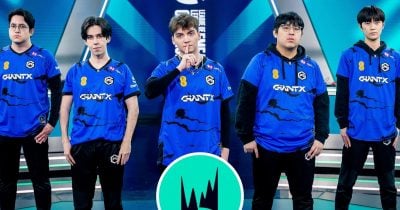
JL, a professional esports player, has revealed that contract disagreements were the reason his transfer to MOUZ fell through. The disclosure came in a recent interview, though no further details about the terms or timeline were provided.
The revelation
Speaking publicly for the first time about the failed move, jL said the deal collapsed because the two sides could not agree on contractual conditions. He did not specify which clauses proved contentious, nor did he name any other parties involved in the negotiation.
The player's statement puts an end to weeks of speculation among fans and analysts about why the transfer never materialized. Earlier reports had suggested a variety of reasons, but jL's account is the first direct confirmation from the player himself.
Contract snags in esports
Contract disagreements are a common stumbling block in esports transfers. Players and organizations often clash over salary structures, buyout clauses, performance incentives, and rights to streaming or sponsorship revenue. In this case, the gap between what jL expected and what MOUZ offered proved insurmountable.
Neither jL nor MOUZ have commented on the specifics of the breakdown. The organization has not issued a statement, and jL declined to elaborate beyond his initial remark. That leaves room for interpretation, but it also means the full story remains private.
What the move meant
The potential transfer to MOUZ was seen as a significant step in jL's career. MOUZ is one of the more established names in European esports, and joining its roster would have placed jL on a larger competitive stage. The collapse of the deal, while disappointing for the player, does not appear to have derailed his current plans. He remains active with his existing team, though he did not comment on whether future transfer attempts are in the works.
For fans, the revelation clarifies a lingering question about the offseason. It also highlights how much of a transfer's outcome depends on the fine print of contracts, not just the desire of the player or the interest of the buyer.
Unanswered questions
What exactly went wrong remains unclear. Was it a buyout figure? A salary cap? A disagreement over playing time guarantees? jL did not say, and without that detail, observers can only speculate.
The player's next move is also uncertain. He is under contract with his current organization, and any future transfer would require negotiation with them. Whether MOUZ re-enters the picture or another team steps forward is an open question. For now, jL's focus appears to be on his current season, but the door to a future move is not closed.
The story ends where it began: a transfer blocked by paperwork, not by talent or desire. That is often the way in esports, where contracts can be as decisive as any in-game performance.