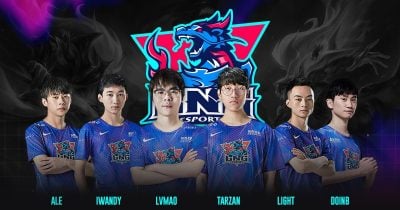
Lenovo is changing its approach to esports sponsorships, moving away from backing individual teams and toward partnerships with major tournaments. The shift includes a deal with the Esports World Cup, signaling a broader recalibration of how the PC maker invests in competitive gaming.
Why the shift matters
For years, Lenovo sponsored esports teams directly, a common strategy for hardware brands looking to build loyalty among core gamers. But the company now sees tournament-level deals as a way to reach a wider audience. The Esports World Cup, a high-profile event, offers exposure beyond any single team's fanbase.
What's changing
Instead of logos on jerseys and team-exclusive hardware deals, Lenovo's new focus puts its brand in front of live and streaming audiences during tournaments. The Esports World Cup deal is the first major example of this pivot. The company hasn't announced whether existing team sponsorships will be dropped or simply not renewed.
Broader industry context
Other PC and peripheral makers have also experimented with tournament sponsorships, but Lenovo's move is one of the clearest signals yet that the model is shifting. Esports viewership continues to grow, and tournament organizers are increasingly offering multi-year packages that bundle broadcast rights, in-game branding, and on-site activations.
Lenovo's decision reflects a calculation that tournament deals provide more predictable returns than team sponsorships, which can be volatile when rosters change or a team underperforms. The Esports World Cup, with its global reach and established format, offers a stable platform.
No financial terms of the Lenovo-Esports World Cup deal have been disclosed. The company has not commented on whether it will pursue similar agreements with other tournaments.