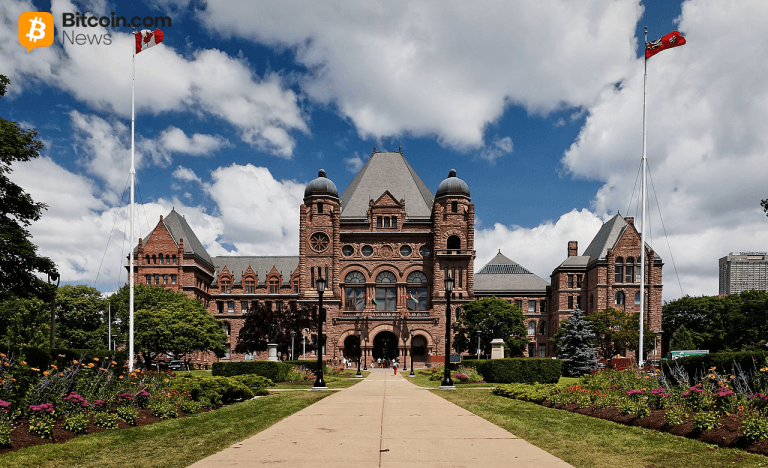
Ontario Takes a Stand Against Online Gambling Ads
In a decisive move this week, Ontario’s Liberal member of provincial parliament introduced the Stop Harmful Gambling Advertising Act, a bill that would bar licensed iGaming operators and their promotional partners from targeting Ontario residents with advertisements. The legislation, unveiled on Tuesday, aims to curb the surge of digital gambling promotions that have proliferated since the province opened its privatized market in 2022.
Why the Bill Matters Four Years After Privatization
When Ontario became the first Canadian province to hand over its online gambling sector to private firms, the expectation was a boost in revenue and a modernized player experience. Four years later, the province remains the sole jurisdiction in Canada with a fully privatized iGaming framework, while Alberta is poised to follow suit. Critics argue that the liberalized model has also amplified exposure to aggressive marketing, especially among vulnerable groups. According to a 2024 study by the Canadian Centre on Substance Use, 28% of Ontario’s online gamblers reported feeling pressured by ads that appeared on social media feeds and streaming platforms.
Key Provisions of the Proposed Act
The draft legislation outlines several core restrictions:
- Absolute prohibition on any form of paid promotion aimed at Ontario residents, including banner ads, influencer sponsorships, and sponsored content.
- Mandatory removal of existing advertisements within 30 days of the law’s enactment.
- Heavy penalties—up to CAD 1 million per violation—for operators that breach the ban.
- Creation of an oversight committee tasked with monitoring compliance and responding to consumer complaints.
Industry insiders note that the bill also seeks to increase transparency by obligating operators to disclose the total amount spent on marketing within the province.
Economic Implications for the iGaming Sector
Ontario’s iGaming market generated roughly CAD 2.3 billion in gross gaming revenue in 2023, according to the Ontario Lottery and Gaming Corporation (OLG). While the sector has become a fiscal pillar, the proposed advertising ban could reshape revenue streams. A report from Deloitte estimates that marketing accounts for about 15% of operators’ total expenditures—approximately CAD 345 million annually. If the ban takes effect, companies might redirect funds toward product development or responsible‑gaming initiatives, potentially enhancing player safety.
Public Health Perspective: Reducing Harmful Gambling Behaviors
Health advocates argue that limiting exposure to gambling ads is a proven strategy to lower problem‑gambling rates. A 2022 meta‑analysis published in the Journal of Behavioral Addictions found that jurisdictions with stricter advertising controls saw a 12% drop in gambling‑related harms within two years. "Advertising normalizes betting as a harmless pastime," said Dr. Lina Patel, a psychologist specializing in addiction. "When those messages disappear from daily digital spaces, we give at‑risk individuals a chance to step back and reassess their habits."
Potential Challenges and Industry Pushback
Private operators are unlikely to accept the restrictions without a fight. The Canadian Association of Online Gaming (CAOG) has already signaled plans to lobby against the bill, citing concerns over market competitiveness and job losses. They argue that a ban could push Ontario’s gambling audience toward unregulated offshore sites, undermining the very consumer protections the act seeks to bolster.
Legal experts suggest that the province will need to craft the law carefully to withstand constitutional scrutiny, particularly regarding freedom of expression. However, precedents such as the United Kingdom’s 2020 gambling advertising ban provide a roadmap for balancing public health goals with commercial rights.
What’s Next? Timeline and Outlook
The Stop Harmful Gambling Advertising Act is slated for first reading in the Legislative Assembly next month. If it clears subsequent debates and committee reviews, it could be enacted by late 2026. Stakeholders—including consumer groups, the gaming industry, and policymakers—are expected to engage in a heated dialogue over the final language.
Regardless of the outcome, the proposal signals a broader shift in how Canadian provinces view the social costs of online gambling. As Alberta prepares to launch its own privatized market, Ontario’s legislative experiment may set a benchmark for responsible advertising practices across the country.
Conclusion: A Potential Turning Point for Canadian iGaming
By targeting the promotional engine of the iGaming industry, the Stop Harmful Gambling Advertising Act could reshape the balance between revenue generation and public health in Ontario. Whether the bill survives political scrutiny will determine if the province leads a new era of responsible gambling or reverts to a more permissive stance. Keep an eye on upcoming legislative sessions—this development could redefine the future of online betting in Canada.