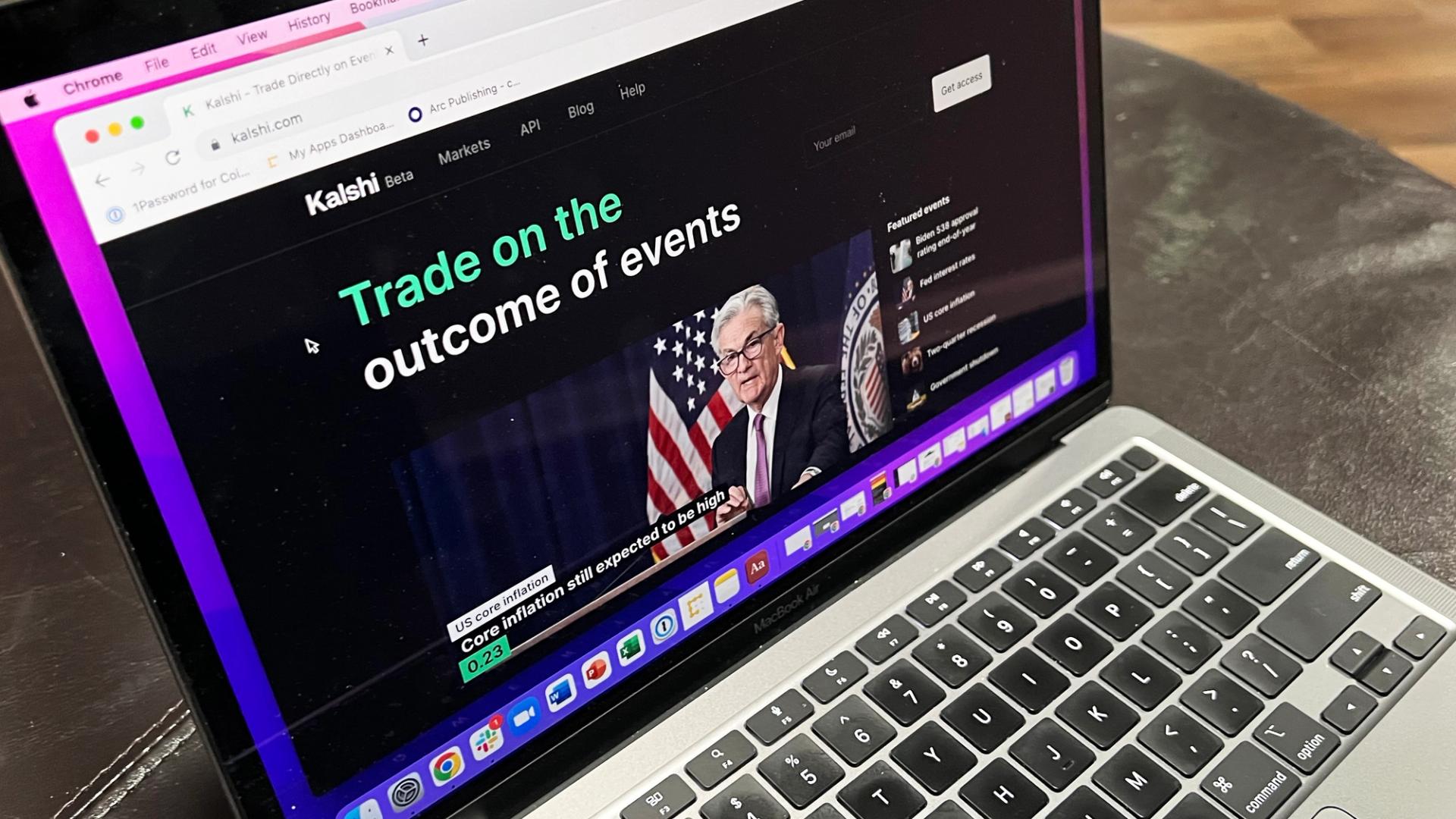
Spain's gambling regulator has started sanctioning proceedings against two major prediction-market platforms, ordering precautionary blocks while it investigates whether they broke the country's gambling laws. The Dirección General de Ordenación del Juego (DGOJ) published notices in the official state gazette, the Boletín Oficial del Estado, targeting Polymarket and Kalshi. The move places both platforms under immediate restrictions in Spain, even as the United States takes a notably different approach to the same industry.
Why the DGOJ stepped in
The DGOJ said it suspects Polymarket and Kalshi may be operating as unlicensed gambling services. Under Spain's gambling law, any platform that allows users to wager on event outcomes — including political elections, sports results, or financial indicators — needs prior authorization. Neither company holds a Spanish license. The precautionary blocks mean Spanish users can't access the sites while the investigation runs its course. The regulator didn't give a timeline for a final decision.
What the blocking order covers
The notices, published in the official state bulletin, didn't specify exactly how the blocks would be enforced — whether through internet service providers or payment processors. But the language used suggests the DGOJ intends to cut off access at multiple levels. Polymarket and Kalshi have grown fast in recent years, drawing users who bet on everything from US election results to Federal Reserve rate decisions. In Spain, that growth now runs headfirst into strict gambling rules that treat prediction markets like casino games or sports betting.
A growing European enforcement push
Spain isn't acting alone. Regulators across Europe have been tightening scrutiny of prediction markets, arguing they function as gambling by another name. France's gambling authority has taken similar steps against unlicensed operators. The European trend stands in sharp contrast to the US, where courts and the Commodity Futures Trading Commission are still debating whether to classify these platforms as gaming or financial derivatives. That divergence means companies like Polymarket and Kalshi face a patchwork of legal regimes — banned in some jurisdictions, tolerated in others.
What comes next for the platforms
Both companies can respond to the DGOJ's allegations during the sanctioning proceedings. If the regulator finds they violated the law, it could impose fines or permanent blocks. For now, the precautionary measure stays in place. The DGOJ hasn't set a deadline for the investigation's conclusion. Spanish users looking to place bets on upcoming elections or sporting events will have to find other outlets — at least until the regulator decides whether Polymarket and Kalshi's model counts as gambling.