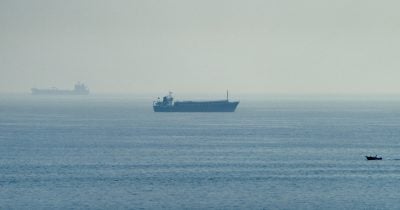
Roughly 1,500 ships are stuck in the Gulf, unable to move through the Strait of Hormuz, after the latest escalation in the US-Iran conflict. The logjam — a mix of oil tankers, cargo vessels, and container ships — has effectively shut one of the world's most critical maritime chokepoints. Analysts say the disruption could worsen an already fragile global energy supply chain.
The Scale of the Disruption
The Strait of Hormuz, a narrow waterway between Iran and Oman, handles about a fifth of the world's oil shipments. Now, with roughly 1,500 vessels bottled up in the Gulf, traffic has come to a near standstill. Crews on those ships are stuck at anchor, waiting for a safe passage that hasn't materialized. The US and Iran have both stepped up military patrols in the area, making commercial transit risky. Shipping companies have started diverting some vessels around the Arabian Peninsula, but that adds weeks to voyages and pushes up costs.
Global Energy Supply at Risk
The blockade isn't just a shipping headache — it's a direct threat to energy markets. Countries that rely on crude from Saudi Arabia, Iraq, Kuwait, and the UAE now face delayed deliveries. Europe and parts of Asia are especially exposed, because they get a large share of their oil through the Strait. Even if the logjam clears in days, the backlog of tankers will take weeks to unwind. Spot prices for crude have already started to climb, and traders are watching for any sign that the disruption will become routine. The longer the standoff lasts, the harder it will be to avoid a full-blown supply crisis.
Economic and Geopolitical Fallout
Beyond oil, the trapped ships carry everything from electronics to food. Insurers have jacked up premiums for any vessel entering the Gulf, and some shipping lines have simply stopped taking bookings for the region. The economic uncertainty is rippling outward: port schedules in the Mediterranean and South Asia are getting scrambled as rerouted ships arrive late. On the political side, the stalemate has hardened positions. Neither Washington nor Tehran has shown willingness to de-escalate. Each new incident — a boarded tanker, a warning shot — makes it harder for diplomats to find an off-ramp. The Strait of Hormuz has been a flashpoint before, but the sheer number of trapped vessels this time is pushing the situation into unprecedented territory.
For now, the question hanging over the Gulf is one nobody can answer: when will the ships start moving again?