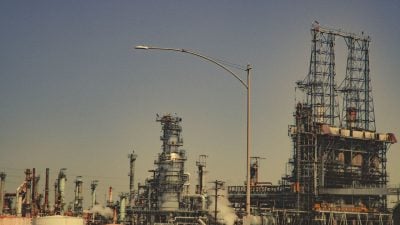
An attack struck the Yemen Oil Company in Sanaa, according to a report from Al-Masirah TV. The broadcaster did not provide details on casualties or the extent of the damage, and no group has claimed responsibility. The incident marks a fresh blow to Yemen's oil infrastructure, which has already been battered by years of conflict.
What we know about the strike
Al-Masirah TV, which is aligned with the Houthi movement, reported the attack but offered few specifics. It's unclear whether the target was a refinery, storage facility, or administrative building. The Yemen Oil Company is a state-run entity that has operated in Sanaa, the capital now controlled by Houthi forces. The attack comes amid heightened tensions in the region, though the immediate trigger remains unknown.
Why the Yemen Oil Company matters
Yemen's oil sector was once the backbone of its economy, but years of war have crippled production and exports. The Yemen Oil Company handles much of the country's remaining fuel distribution, making it a critical piece of infrastructure for a population that relies heavily on imported petroleum products. Any disruption at its facilities can ripple through supply chains, affecting everything from hospital generators to water pumps. For the Houthi authorities in Sanaa, keeping the company running is both an economic necessity and a political statement.
Regional tensions and strategic fallout
The attack underscores escalating tensions in the region, which have already spilled over into shipping lanes and border areas. While the facts do not specify who carried out the strike, the timing suggests it could be part of a broader power struggle. The potential to destabilize the region is significant. Military dynamics in Yemen have long been intertwined with market forces, particularly oil prices. Even a minor disruption at a facility like the Yemen Oil Company can send jitters through energy markets, especially if it's seen as part of a wider escalation.
No immediate claim, no clear next step
As of now, no group has claimed responsibility for the attack. That silence leaves room for speculation, but it also means the immediate response from local authorities or international actors is uncertain. The Yemen Oil Company has not issued a statement on the extent of the damage or whether operations have been halted. For residents of Sanaa, the attack adds another layer of anxiety to daily life. For the region, it's a reminder that Yemen's conflict remains unresolved and capable of producing shocks that extend far beyond its borders.
What happens next depends largely on who was behind the strike and how the Houthi authorities respond. If the attack was the work of a rival faction, it could trigger retaliation. If it was an accident or an internal explosion, the focus will shift to safety and repairs. Either way, the Yemen Oil Company's ability to keep fuel flowing will be a key indicator of how quickly the situation stabilizes — or escalates.