Bahrain condemned the attack on UAE tankers in the Strait of Hormuz, a sharp rebuke that underscores how quickly the waterway is becoming a flashpoint. The assault, which targeted vessels near one of the world's busiest oil routes, has raised alarms about energy security and the stability of the region.
Bahrain's Condemnation
The Bahraini government issued a statement denouncing the attack, calling it a threat to maritime safety and regional peace. While details of the incident remain scarce, the public rebuke from a key Gulf ally signals that the attack crossed a line. Bahrain's position carries weight — it hosts the U.S. Navy's Fifth Fleet, making it a central player in any military response.
The condemnation didn't stop at words. It pointed to a broader concern: that the Strait of Hormuz, through which roughly a fifth of global oil passes, is no longer a reliable corridor. For Bahrain, which sits just across the water from Iran, the attack isn't abstract. It's a direct challenge to the security architecture that has kept the Gulf's shipping lanes open for decades.
A Chokepoint Under Pressure
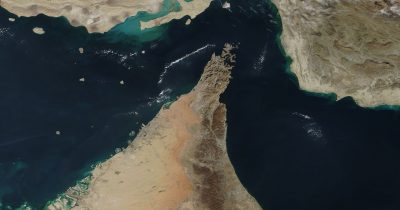
The Strait of Hormuz is narrow — at its tightest, about 21 miles wide. Tankers squeeze through in both directions, and any disruption sends ripples through global energy markets. The attack on UAE tankers is the latest in a series of incidents that have made insurers nervous and shipping companies rethink their routes.
Rising tensions in the strait threaten more than just oil prices. They threaten the flow of liquefied natural gas, which the region exports in large volumes. They also threaten the economies of Gulf states that depend on the waterway for nearly all their exports. A prolonged closure, even a partial one, would be catastrophic.
The attack didn't happen in a vacuum. It comes amid a broader standoff between Iran and the West, with nuclear negotiations stalled and sanctions biting. Each incident in the strait raises the stakes, making a miscalculation more likely.
Policy Ripples in Washington
The tensions could alter U.S. policy dynamics in ways that go beyond the immediate crisis. Washington has long balanced its military presence in the Gulf with diplomatic overtures to Tehran. But attacks on allied tankers put pressure on the U.S. to respond more forcefully, potentially drawing it deeper into a conflict it has tried to avoid.
For the Biden administration, the calculus is tricky. A strong military response could escalate the situation, but a weak one could embolden further attacks. The attack on UAE tankers also complicates efforts to rebuild alliances in the region, where trust in U.S. commitments has frayed in recent years.
The international dimension is just as messy. Other Gulf states are watching closely, and their reactions will shape whether the incident becomes a diplomatic crisis or a military one. The United Nations and other bodies have called for restraint, but so far there's been no concrete action to de-escalate.
What happens next depends on how the UAE responds and whether the U.S. adjusts its military posture in the Gulf. That decision, once made, will signal whether the strait remains a zone of fragile stability or becomes a new front line.