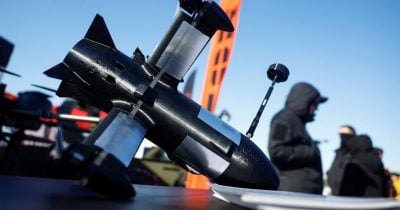
Bahrain’s air defenses intercepted a wave of Iranian missiles and drones early Tuesday, marking a sharp escalation in the ongoing 2026 war between Iran and a coalition of Gulf states. The attack, which targeted military installations near the capital Manama, was largely thwarted, but debris fell in residential areas, causing minor injuries and damage to civilian infrastructure.
Why the interception matters
The strike is the first direct Iranian assault on Bahraini soil since the conflict began. Until now, fighting had been concentrated along Iran’s borders and in the Strait of Hormuz. Bahrain’s ability to shoot down the incoming projectiles demonstrates the effectiveness of its air defense systems, but the attack itself signals that Iran is willing to widen the battlefield.
Regional officials confirmed that the interception involved a mix of Patriot and Sky Sabre batteries, with support from U.S. naval assets stationed in the Gulf. No Iranian warplanes entered Bahraini airspace; the attack relied solely on ballistic missiles and drones.
Rising military tensions
The interception comes amid a broader uptick in hostilities. Over the past week, Iran has launched similar barrages against Saudi Arabia and the United Arab Emirates. The Bahraini military said in a statement that the attack “will not go unanswered” and that it reserves the right to respond at a time and place of its choosing.
Iran’s state media framed the operation as retaliation for alleged Israeli airstrikes on Iranian nuclear facilities earlier this month. Those airstrikes, which Israel has neither confirmed nor denied, killed at least two Iranian scientists and damaged a centrifuge plant near Natanz.
Diplomatic complications
The escalation complicates already fragile cease-fire talks. International mediators from the United Nations and Qatar had been shuttling between Tehran and Riyadh, hoping to secure a temporary halt to hostilities. Bahrain’s interception now injects a new variable: Manama has publicly stated it will not accept any cease-fire that does not include guarantees against further Iranian aggression.
“This attack changes the calculus,” said a senior diplomat familiar with the negotiations, speaking on condition of anonymity. “The Gulf states are now demanding a broader framework that addresses Iran’s missile program, not just a pause in fighting.”
Iran’s foreign ministry dismissed the interception as a “propaganda victory” and insisted its strikes were limited to military targets. But satellite imagery reviewed by independent analysts shows that several missiles landed within 500 meters of a civilian neighborhood in southern Manama.
Cease-fire talks are expected to resume next week in Muscat, but Bahrain’s government has signaled it will not attend unless Iran agrees to a verifiable halt to all missile and drone launches.