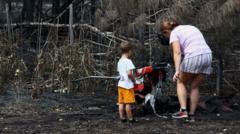
BBC Verify, the BBC's fact-checking unit, has used before-and-after imagery to assess the damage from a wildfire that tore through Spokane, Washington, leaving charred homes and burned-out cars in its wake. The team matched videos posted online in the aftermath with images of the same streets before the fires to determine the extent of the destruction.
How the verification worked
The process is straightforward but powerful: compare what a place looked like before an event to what it looks like after. BBC Verify applied this to Spokane, using geospatial data and video analysis to confirm which structures were lost. It's the kind of verification that turns raw footage into reliable evidence.
📊 Market Data Snapshot
A lesson for crypto
That same logic is at the heart of decentralized oracles, which feed real-world data into smart contracts. A wildfire is exactly the kind of event a parametric insurance policy might use to trigger automatic payouts. The problem is ensuring the data is trustworthy. BBC Verify's method shows how satellite imagery and cross-referenced videos can provide that trust. As climate change makes such events more common, the demand for tamper-proof data feeds will only grow.
No immediate market impact
For crypto markets, this is a non-event. The wildfire is a localized tragedy with no direct connection to supply, demand, or regulation. It won't move Bitcoin or Ether. The current market, already in a fearful state, has bigger things to worry about—interest rates, ETF flows, regulatory news. The Spokane fire is the kind of story that gets absorbed within hours.