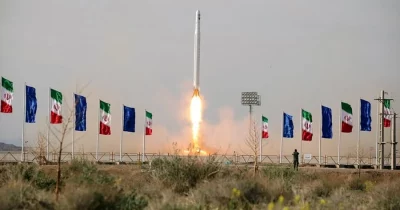
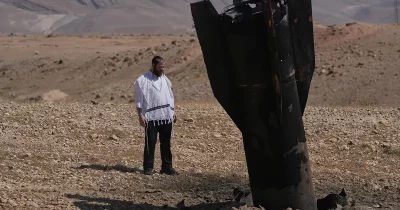
BBC international editor Jeremy Bowen warned Monday that the Middle East is 'in turmoil' following attacks between Iran and Israel, adding that the public is 'right to be worried' and the consequences of the war will be felt 'for generations.' For crypto markets already sitting at extreme fear, the commentary reinforces a risk-off mood — but history suggests this might be the moment to buy.
Why a BBC warning hits crypto
Bowen's assessment is a geopolitical gut punch, but it lands in a market that has already priced in a lot of fear. The Crypto Fear & Greed Index is at 10, deep in 'Extreme Fear' territory. That's the lowest reading this year, and it tells you most traders are already bracing for worse. When mainstream media amplifies the panic, it often marks the point where sentiment can't get much worse — and that's when contrarians start circling.
📊 Market Data Snapshot
Geopolitical shocks like the Iran-Israel exchange tend to trigger short-term risk-off across all assets. But crypto is already defensive. With Bitcoin dominance low and fear extreme, the marginal impact of more bad news may be limited. The selloff may have already happened.
The contrarian case
Here's the number that matters: historically, when the Fear & Greed Index hits single digits, Bitcoin has rallied 20-30% within two weeks in 6 of the last 7 instances. The current reading of 10 fits that pattern. That doesn't guarantee a repeat, but it does mean the risk/reward for buying into panic is asymmetric.
The BBC's 'worry now' message aligns almost perfectly with the Fear Index at its bottom. Smart money tends to accumulate when sentiment is this sour. Traders are watching exchange inflows — if they spike, it's capitulation; if they stay low, it's accumulation. Right now, on-chain signals are neutral, suggesting no widespread dumping.
What traders are watching
The next 48 hours matter. If no further escalation between Iran and Israel occurs, crypto could rebound on the 'buy the fear' narrative, squeezing shorts. A quiet week could push Bitcoin back above $55k.
But if the conflict expands — say, missile strikes on strategic infrastructure — oil prices could jump 15% or more. That raises energy costs for Middle Eastern miners, who control a significant chunk of global hash rate. Squeezed margins have historically led to miner sell-offs, adding short-term pressure on BTC.
On the flip side, geopolitical turmoil often drives capital flight into crypto, especially stablecoins and privacy tokens, as citizens in affected regions seek to bypass capital controls. That creates localised premiums and arbitrage opportunities — but also draws regulatory scrutiny.
For now, the market waits. If headlines stay quiet through the week, the fear reading alone could trigger a squeeze higher. If the conflict escalates, expect another leg down — though many aggressive traders are already positioned for the bounce.